politics
Politics does not dictate our collective cultural mindset as much as it simply reflects it; We've got to look in the mirror sometimes, and we've got one.
Norwegian F-35s Engage Russian Knights Su-35s During Strategic Bomber Escort Mission. AI-Generated.
In a notable air operation over the Barents Sea, two F‑35 Lightning II jets from Royal Norwegian Air Force intercepted and shadowed a formation of Russian strategic bombers escorted by Su-35 fighters — including aircraft associated with Russia’s famed “Russian Knights” aerobatic team — during a routine NATO air policing mission. The encounter, which occurred in international airspace, underlines ongoing vigilance by NATO members in the High North amid heightened military activity. The mission unfolded on February 27, 2026, when Norwegian F-35s assigned to NATO’s Arctic watch were scrambled from Evenes Air Station to investigate two Tupolev Tu-95 Bear H strategic bombers accompanied by two Sukhoi Su-35 Flanker-M fighters. These Russian aircraft were flying over international airspace in the Barents Sea, north of Norway’s border, as part of a long-range aviation sortie. Upon detecting the foreign formation, the Norwegian pilots closed in to visually identify and monitor the Russian aircraft. The intercept was carried out in a professional and measured manner, with no violation of Norwegian sovereign airspace reported. “Today, two Norwegian F-35s at NATO mission identified and shadowed two Russian Tu-95 Bear H bombers and two Su-35 Flanker M fighters in international airspace over the Barents Sea — a routine activity, but an important part of monitoring and safeguarding our region,” the Norwegian Armed Forces said in an official statement posted on social platforms. What drew particular attention from analysts and aviation enthusiasts was the presence of one Su-35 aircraft bearing the distinctive colors of the Russian Knights, an aerobatic demonstration team known for performing at air shows and national ceremonies. Instead of flying in performance configuration, the aircraft was equipped in a combat-ready setup with air-to-air missiles, indicating its operational deployment alongside the escort mission. Military observers note that the use of aircraft traditionally associated with aerobatic displays in an armed escort role may reflect broader operational pressures within the Russian Aerospace Forces. Experts suggest that high operational tempos and continuing demands on frontline squadrons could lead to the integration of all available aircraft — even those from demonstration units — into routine combat or patrol assignments. While intercepts such as this are not unusual — NATO air forces regularly scramble fighters to identify and monitor Russian long-range aviation — the Barents Sea has become a focal area due to its strategic location and proximity to the alliance’s northern flank. Norway plays a significant role in NATO’s Quick Reaction Alert (QRA) system, maintaining F-35 fighters on alert to rapidly respond to unidentified or foreign military flights near alliance territories. The Tu-95 Bear H bombers involved in the mission are long-range aircraft with historical significance dating back to the Cold War. Capable of carrying cruise missiles and operating at great distances from their bases, the Bear series continues to feature in Russian long-range aviation patrols. Their flights near NATO airspace routinely trigger allied responses to ensure situational awareness and deterrence. Russia’s use of Su-35 fighters for escort duties underscores the multirole nature of the Flanker-M design, which combines air-to-air and secondary air-to-ground capabilities. In this mission, the role of the Su-35s was to protect the strategic bombers from potential aerial threats as they traversed international airspace. NATO interceptors, including Norway’s F-35s, monitored the formation closely, ensuring that all aircraft adhered to international aviation law and did not stray into restricted zones. Despite the potentially sensitive context, Norwegian authorities emphasized the routine nature of the operation. Such intercepts help maintain open skies while ensuring that aerial activity near alliance borders is properly observed and recorded. They also reinforce NATO’s commitment to collective defense and rapid response readiness in northern Europe. The encounter highlights both the evolving operational landscape of Northern Europe and the critical role played by advanced fighter aircraft in modern air policing missions. As tensions persist between NATO and Russia, especially over strategic regions like the Arctic, routine interceptions may continue to be a key aspect of maintaining security and stability in international airspace. In sum, the Norwegian F-35s’ engagement with Russian bombers and Su-35 escorts demonstrates the ongoing vigilance required to manage military air operations in sensitive regions. While no aggressive action occurred, the event underscores the importance of robust air defense protocols and coordinated monitoring by allied forces as part of broader security efforts in northern Europe.
By Fiaz Ahmed a day ago in The Swamp
War on the Horizon: Trump Signals Possible Ground Troops in Iran as Conflict Escalates. AI-Generated.
Global attention has once again turned toward the Middle East as the United States signals a possible expansion of military operations in Iran. Recent statements from U.S. leadership suggest that the conflict could intensify significantly, raising concerns about the potential deployment of American ground troops and the prospect of a prolonged military campaign. The situation represents one of the most serious escalations in regional tensions in recent years. With airstrikes already underway and military targets reportedly hit across multiple locations, the possibility of a wider war has become a topic of urgent discussion among policymakers, analysts, and citizens around the world. As diplomatic efforts struggle to keep pace with military developments, many observers are asking whether the region is approaching another major conflict that could reshape global politics. Trump’s Statement Raises Global Questions President Donald Trump recently stated that he would not rule out sending U.S. ground troops into Iran if the situation required it. While he emphasized that such a step has not yet been taken, the comment signals that military planners are keeping all options open. Trump also suggested that the current military campaign could last four to five weeks, although he acknowledged that operations could continue longer if strategic objectives are not achieved. These remarks have sparked debate both within the United States and internationally. Supporters argue that maintaining strong military pressure may deter further threats, while critics warn that expanding the conflict could lead to unpredictable consequences. How the Conflict Began to Escalate The recent escalation follows months of rising tensions between Washington and Tehran. Disagreements over nuclear policy, regional influence, and military activities have steadily increased friction between the two nations. The United States and its allies have accused Iran of advancing its missile and nuclear capabilities, while Iranian officials have criticized Western pressure and sanctions as hostile actions aimed at weakening the country. As diplomatic negotiations stalled, military options began to appear more prominently in policy discussions. The launch of coordinated airstrikes marked a turning point, transforming political tensions into open military confrontation. Airstrikes and Military Operations Reports indicate that hundreds of military targets have been struck since the operation began. These targets reportedly include: Missile facilities Military bases Command and communication centers Air defense installations The strategy behind these strikes appears designed to reduce Iran’s ability to launch retaliatory attacks and weaken its military infrastructure. Military officials emphasize that the current operation relies primarily on air power, naval forces, and advanced technology rather than large-scale ground operations. However, Trump’s recent comments suggest that the possibility of deploying ground forces remains under consideration if circumstances change. Iran’s Response Iran has strongly condemned the strikes and warned of serious consequences. Iranian leaders have vowed that the country will defend itself against what it describes as foreign aggression. Retaliatory actions have already been reported, including missile launches and drone operations targeting military facilities linked to the United States and its allies in the region. The potential for further escalation remains high, especially if additional countries become involved in the conflict. For Iran, the stakes are enormous. The country views the confrontation as a matter of national sovereignty and survival. Regional Impact and Rising Tensions The Middle East has long been a region where local conflicts can quickly expand into wider geopolitical struggles. Neighboring countries are closely monitoring the situation, concerned that the conflict could spread beyond Iran’s borders. Military bases, shipping routes, and energy infrastructure throughout the region could become targets if hostilities continue. The Strait of Hormuz, one of the world’s most important oil shipping routes, is particularly vulnerable. Any disruption to traffic in this narrow waterway could have immediate effects on global energy markets. Oil prices have already shown signs of volatility as traders react to the possibility of prolonged instability. Domestic Debate in the United States Within the United States, the possibility of a longer war is triggering intense political debate. Some lawmakers argue that strong action is necessary to counter perceived threats and maintain national security. Others question whether expanding military involvement could lead to another prolonged conflict similar to past wars in the region. Critics have also raised constitutional concerns about the extent of presidential authority to launch military operations without explicit approval from Congress. Public opinion remains divided, reflecting broader disagreements about America’s role in global security. The Strategic Risks of Ground Troops Sending ground troops into Iran would represent a major escalation. Iran is a large country with complex terrain and a significant military presence. Military experts warn that a ground campaign could involve enormous logistical challenges and potentially high casualties. Iran’s geography—including mountains, deserts, and dense urban areas—could make any invasion extremely difficult. In addition, Iran maintains strong regional alliances and proxy networks that could open multiple fronts across the Middle East. These factors make military planners cautious about expanding operations beyond air and naval strikes. Global Reactions World leaders have reacted with a mix of concern and caution. Many governments are urging restraint and calling for renewed diplomatic efforts to prevent further escalation. International organizations have also expressed concern about the humanitarian consequences of a prolonged conflict. A large-scale war in the Middle East could lead to: Major refugee movements Economic instability Disruptions in global energy supply Increased geopolitical tensions between major powers For these reasons, many countries are urging negotiations rather than continued military action. Could Diplomacy Still Prevail? Despite the ongoing military operations, some analysts believe diplomacy may still have a chance. History has shown that even the most intense conflicts can eventually lead to negotiations once both sides recognize the costs of prolonged warfare. Diplomatic channels often continue quietly behind the scenes, even while public rhetoric becomes more confrontational. Whether these efforts will succeed remains uncertain. However, many observers agree that avoiding a broader war will require careful diplomacy from multiple global powers. The Uncertain Road Ahead The coming weeks could prove decisive. If the campaign unfolds as predicted and concludes within a few weeks, tensions may gradually decrease. But if the conflict expands or ground troops become involved, the situation could change dramatically. The world is watching closely as events continue to unfold. For now, the only certainty is uncertainty. Military operations, political decisions, and diplomatic efforts will all shape the future of this conflict and determine whether the region moves toward escalation or resolution. Conclusion The possibility of deploying ground troops in Iran marks a critical moment in international politics. Statements from President Trump suggest that the United States is prepared to escalate its response if necessary, even as leaders hope to achieve strategic objectives quickly. Yet history has shown that conflicts in the Middle East rarely follow predictable timelines. What begins as a limited operation can sometimes evolve into a prolonged confrontation with far-reaching consequences. As the situation develops, the world faces a difficult question: will diplomacy find a path forward, or will the conflict deepen into another long and costly war? The answer may emerge in the weeks ahead.
By Zahid Hussaina day ago in The Swamp
Iran Plunges Into Chaos After Khamenei’s Death
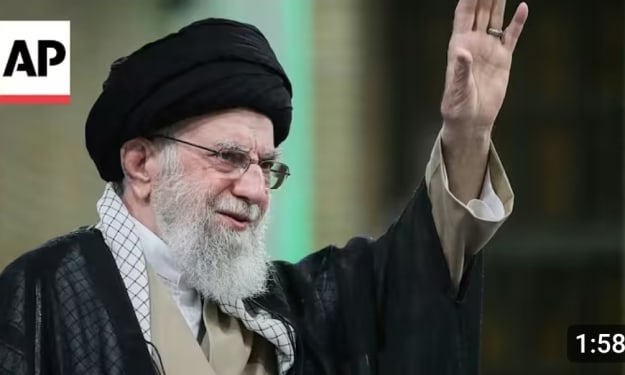
Iran erupted into unprecedented chaos after Supreme Leader Ayatollah Ali Khamenei was killed during targeted strikes on Feb. 28. Streets in Tehran filled with protesters, while retaliatory attacks hit U.S. bases in the Persian Gulf and the U.S. Embassy in Kuwait. Analysts warn that the violence could escalate into a wider regional crisis.
By Jacqueline Bowsera day ago in The Swamp
Chinese Navy Inducts Additional Type 903 Fleet Replenishment Ships. AI-Generated.
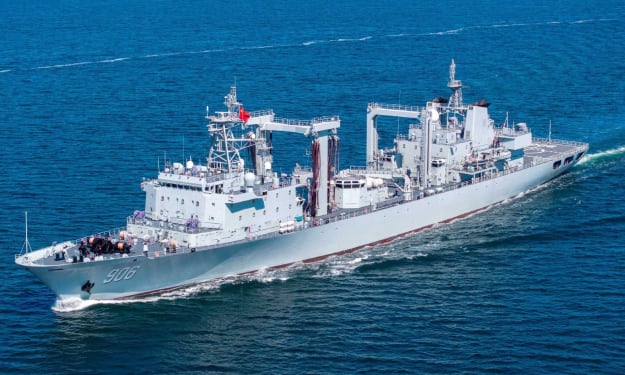
The People's Liberation Army Navy (PLAN) has officially inducted two more Type 903 fleet replenishment ships into service, marking a significant enhancement of China’s underway replenishment capabilities. The new vessels, designed to extend the reach and sustainability of PLAN task groups at sea, reflect Beijing’s ongoing efforts to modernize its naval logistics and support infrastructure in line with its expanding blue‑water aspirations. Type 903 replenishment ships — officially designated the Fuchi class — are a critical component of modern naval operations. Unlike traditional supply ships limited to port resupply, these vessels are capable of underway replenishment (UNREP), providing fuel, food, ammunition, spare parts, and other essentials to warships while both are underway. This capability enables naval task forces to remain operational far from home ports for extended periods without returning to port for resupply. The two latest additions, commissioned after rigorous sea trials and outfitting, join a growing fleet of Type 903s already serving with PLAN. The class has been continually upgraded since its introduction in the early 2000s, with enhancements to cargo handling, automation, and replenishment rigs to support coordinated supply operations with destroyers, frigates, and submarines. These improvements reflect a global trend toward logistics ships capable of integrating with advanced combat fleets in contested environments. Chinese naval analysts argue that the expanded replenishment fleet will bolster PLAN’s ability to conduct sustained missions across distant theatres. In recent years, China has increased its naval presence beyond regional waters, deploying task groups to the Gulf of Aden for anti‑piracy operations, participating in multinational exercises, and conducting port calls as far as Europe and Africa. The ability to maintain a forward naval presence depends heavily on replenishment ships like the Type 903. Strategic observers note that the enhanced logistics capacity also supports China’s evolving maritime strategy. As the PLAN transitions from a primarily coastal defense force to a more expeditionary blue‑water navy, reliable logistics become indispensable. Replenishment ships not only keep combatants supplied but also act as force multipliers by allowing carrier strike groups, amphibious assault vessels, and surface combatants to remain at sea for longer durations. In addition to fuel and supplies, modern Type 903 vessels are equipped with medical facilities and can support humanitarian assistance and disaster relief (HADR) operations. During previous deployments, Chinese replenishment ships have played roles in delivering aid following natural disasters and in supporting evacuation efforts for Chinese nationals in crisis zones. Such missions underscore the dual‑use nature of logistics vessels in both military and civilian contexts. Experts believe that the PLAN’s expanding fleet of Type 903s will complement China’s future naval infrastructure, including potential overseas support bases. While China maintains a formal logistics hub in Djibouti, additional forward support facilities would further enhance the PLAN’s global reach. Replenishment ships bridge gaps when overseas basing is limited or unavailable, allowing naval groups to sustain operations without relying solely on fixed installations. The induction of these ships also conveys a message about China’s industrial and technological capabilities. Building complex, ocean‑going logistics vessels requires advanced shipbuilding infrastructure, sophisticated engineering, and integrated supply systems. Shipyards along the Chinese coast have now demonstrated an ability to produce these vessels at scale, supporting not only the PLAN but also commercial shipbuilding demand. International reactions to China’s naval expansion have been mixed. Some observers view the strengthening of logistics capabilities as a natural evolution of a growing naval power. Others express concern about the implications for regional security dynamics, particularly in areas where China’s maritime interests intersect with those of rival powers or contested territorial claims. The debate often centers on whether increased logistical support signifies a shift toward power projection versus defensive posturing. Regardless of interpretation, the operational impact is clear: replenishment ships enhance fleet endurance. In naval parlance, logisticians say that “amateurs talk tactics; professionals talk logistics.” This adage underscores the importance of supply chains and support vessels — assets that rarely make headlines but are indispensable to sustained naval operations. As the PLAN incorporates these additional Type 903 ships into its order of battle, training and integration with existing formations will likely follow. Joint exercises, underway replenishment drills, and interoperability tests will ensure that the vessels can operate seamlessly with China’s surface combatants and submarines. In summary, the induction of additional Type 903 fleet replenishment ships represents a strategic investment in naval logistics by the People’s Liberation Army Navy. These vessels will enhance China’s ability to sustain maritime operations far from its shores, support humanitarian missions, and project influence in distant waters. As naval competition continues in the Indo‑Pacific and beyond, logistics ships like the Type 903 will play a vital role in shaping how maritime power is exercised.
By Fiaz Ahmed a day ago in The Swamp
Middle East crisis live: Israel launches new attacks on ‘heart of Tehran’; US fighter planes mistakenly shot down in Kuwait. AI-Generated.
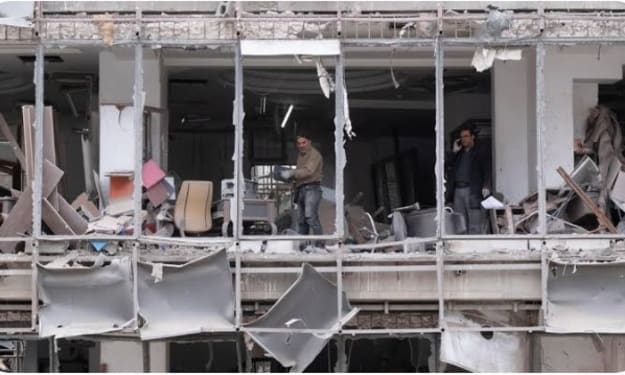
The Middle East is engulfed in a rapidly escalating conflict as joint Israel and United States military operations against Iran have expanded across the region, drawing in Gulf states and triggering chaotic engagements that include a rare friendly‑fire incident involving U.S. jets in Kuwait. The conflict, which began with large‑scale combined strikes on Iran’s military infrastructure and government targets, has entered a third day of intense violence. The Israeli Defense Forces (IDF) and U.S. forces have reportedly launched fresh attacks deep into Tehran, with explosions reported in multiple districts of the Iranian capital and Iran vowing to retaliate “regardless of the cost.” Israeli‑U.S. Strikes Deep in Tehran Israeli military sources said their air force carried out “broad wave” airstrikes targeting key strategic positions in the “heart of Tehran,” intensifying a campaign that began with a coordinated offensive involving hundreds of aircraft and missile launches. The joint operation aims at degrading Iran’s air defenses and military command structures after initial strikes reportedly killed high‑ranking officials. The strikes have been followed by repeated explosions across Tehran, underscoring the scale of the operation. While independent verification remains limited due to restricted access, multiple reports indicate that central districts of the capital have been rocked by heavy bombardment. Iran’s Regional Retaliation In response to the offensive, Iran has unleashed successive waves of missile and drone attacks aimed at Israeli territory, U.S. bases, and allied Gulf states. Explosions have been reported not only in Israel but also in other countries hosting American military assets, including Bahrain, Qatar, the United Arab Emirates, and Kuwait itself. The Iranian Islamic Revolutionary Guard Corps (IRGC) has described its actions as a legitimate defense against what it calls an aggressive campaign, asserting that all U.S. and Israeli targets across the region are legitimate military objectives and vowing to continue operations until its stated goals are met. Friendly‑Fire Incident in Kuwait Amid the swirl of attacks, a grave and unusual incident occurred in Kuwait when its air defense forces mistakenly shot down three U.S. fighter jets. According to United States Central Command, the aircraft—identified as F‑15E Strike Eagles—were downed when Kuwaiti defenses misidentified them as hostile while they were supporting coalition operations. All six aircrew ejected safely and were recovered in stable condition. Kuwaiti authorities have acknowledged the friendly‑fire mistake and are cooperating with U.S. military investigators to review procedures and prevent future errors. The incident, though non‑fatal, illustrates the confusion and heightened alertness sweeping across allied forces as the regional crisis unfolds. Regional Impacts and Civilian Consequences The conflict’s spillover has affected civilian populations and infrastructure beyond battlefields. Major cities across the Gulf region have reported explosions and air defense activations as Iranian missiles and drones targeted facilities and bases. Flights in and out of key hubs such as Dubai and Doha have been suspended due to airspace closures and safety concerns. Global markets have reacted sharply as well, with oil prices surging amid fears of broader disruption to energy exports through key transit routes like the Strait of Hormuz. Concerns over the safety of shipping lines and regional economic stability have sent shockwaves through international financial markets. Meanwhile, international leaders have urged restraint and called for diplomatic engagement to prevent further escalation. The United Nations, along with major powers worldwide, has expressed deep concern about the widening conflict and the risk of a broader regional war. Looking Ahead As fighting continues with no immediate sign of de‑escalation, military analysts warn that the dynamics of the conflict could evolve rapidly, with regional actors and global powers closely monitoring developments. The friendly‑fire episode in Kuwait highlights the risk of miscalculation amidst complex multinational operations, while repeated strikes in Tehran underscore the intensity of the U.S.–Israel campaign. For civilians across the Middle East, the escalation has brought renewed fear and disruption to daily life. Emergency services in multiple countries are on high alert, warning residents to seek shelter and stay informed amid intermittent missile alerts and explosions. The conflict’s trajectory remains uncertain, with world leaders pushing for urgent talks even as military actions continue unabated. As the crisis enters another critical phase, the international community watches anxiously, hopeful that diplomatic channels can avert a larger conflagration.
By Fiaz Ahmed a day ago in The Swamp
Mark Carney Meets Narendra Modi in Historic Trip to Reset Ties with India. AI-Generated.
In a significant move aimed at strengthening economic and financial relations, former Bank of England governor Mark Carney recently met with Indian Prime Minister Narendra Modi in New Delhi. The meeting, described by officials as historic, comes amid efforts to deepen cooperation between India and the international financial community, promote sustainable investment, and explore opportunities for economic collaboration on a global scale. Carney, who served as governor of the Bank of England from 2013 to 2020 and as governor of the Bank of Canada before that, has long been an advocate for climate-conscious financial policies and global economic stability. His visit to India marks one of the most high-profile interactions between the former central banker and the Indian leadership, reflecting both Carney’s influence in international finance and India’s growing role on the global economic stage. The discussions reportedly focused on several key areas. Among them were sustainable finance initiatives, investment in green energy, and strengthening India’s financial markets to attract international capital. Carney has previously emphasized the importance of integrating climate risks into financial planning, and Indian officials expressed interest in leveraging his expertise to expand India’s green bond market and other environmentally-focused investment instruments. During the meeting, Prime Minister Modi highlighted India’s economic achievements over the past decade, noting its sustained growth, rising manufacturing capacity, and expanding digital economy. Modi underscored the government’s commitment to financial reforms, transparent regulatory frameworks, and policies aimed at attracting foreign investment. Carney reportedly commended India’s efforts while providing insights into global trends that could impact emerging markets. Observers note that Carney’s visit comes at a pivotal moment. India is seeking to consolidate its position as a major global economic player, while international investors are increasingly attentive to opportunities in Asia’s fastest-growing economies. By engaging directly with Modi and senior financial officials, Carney’s visit signals confidence in India’s economic direction and reinforces the potential for collaboration on long-term investment projects. A significant portion of the conversation reportedly revolved around sustainable and responsible investment. Carney has been a leading voice in promoting the integration of climate considerations into corporate and national financial strategies. India, facing both environmental challenges and energy demands, has prioritized renewable energy expansion and carbon reduction initiatives. Officials said that the dialogue explored ways to accelerate financing for green projects, encourage private-sector participation, and improve the transparency of environmental reporting standards. Trade and financial market cooperation were also on the agenda. Carney emphasized the importance of efficient, robust, and globally integrated financial systems. India has been reforming its financial sector, with steps aimed at improving banking stability, fostering capital market depth, and creating frameworks conducive to foreign investment. The discussions reportedly included mechanisms to streamline cross-border capital flows, strengthen regulatory alignment, and enhance investor confidence. In addition to formal discussions, Carney met with representatives from India’s private banking and investment sectors. These sessions focused on identifying mutual opportunities for innovation, fintech expansion, and strategic partnerships in emerging markets. Industry insiders noted that Carney’s reputation and global connections could open doors for Indian firms seeking to expand internationally while encouraging foreign firms to invest in India. Analysts say the visit is emblematic of India’s growing engagement with global economic thought leaders. By hosting a figure of Carney’s stature, India signals its willingness to adopt international best practices, embrace financial innovation, and align with global standards, particularly in sustainable finance and climate-related risk assessment. The meeting concluded with both sides emphasizing the importance of ongoing dialogue and cooperation. While no immediate policy changes were announced, the discussions are expected to shape future collaborations in finance, investment, and sustainable economic development. The visit reinforces India’s aspirations to be a key partner in shaping global financial trends and underlines Carney’s role as an influential bridge between developed and emerging markets. In conclusion, Mark Carney’s visit to India and his meeting with Prime Minister Narendra Modi represents a milestone in international economic engagement. By focusing on sustainable finance, investment opportunities, and financial market reform, the discussions laid the groundwork for deeper cooperation. As India continues its journey as a rising global economic power, collaborations of this nature are likely to play a crucial role in shaping its long-term financial and environmental strategies.
By Fiaz Ahmed a day ago in The Swamp
Admission of Weakness by the World’s Most Powerful Navy? The U.S. Navy Scales Back Ambitions for Its Future Amphibious Armada. AI-Generated.
The United States Navy has long been regarded as the most powerful maritime force in history, projecting strength across every ocean and maintaining a global presence unmatched by any rival. Yet recent decisions to scale back plans for its future amphibious fleet have sparked debate among defense analysts: is this a pragmatic adjustment to new realities, or an admission that even the world’s strongest navy is facing limits to its ambitions? For years, the U.S. Navy and Marine Corps envisioned a large and modern amphibious armada capable of deploying Marines rapidly across contested regions. These ships—designed to transport troops, vehicles, and aircraft—are essential for operations ranging from humanitarian relief to high-intensity conflict. However, rising costs, shipyard delays, and shifting strategic priorities have forced planners to reconsider how many such vessels the fleet truly needs and what role they should play in future wars. At the heart of the shift is a changing view of warfare. Traditional amphibious assaults, once a central pillar of U.S. military doctrine, are increasingly seen as risky in an era dominated by long-range missiles, drones, and advanced surveillance systems. Potential adversaries can now detect and target large ships far from shore, making massive beach landings far more dangerous than in past conflicts. As a result, military leaders are exploring smaller, more agile platforms that can disperse forces rather than concentrate them in vulnerable formations. Budget pressures have also played a major role. Building and maintaining large amphibious ships is enormously expensive. Each vessel can cost billions of dollars and requires a skilled workforce and long construction timelines. With competing demands from submarine programs, aircraft carriers, and next-generation destroyers, the Navy has had to make difficult choices. Reducing the size of the amphibious fleet allows resources to be redirected toward technologies viewed as more relevant to future conflicts, such as cyber warfare, unmanned systems, and missile defense. The Marine Corps has been particularly affected by the new strategy. Traditionally dependent on amphibious ships for rapid deployment, the Marines are now restructuring around a concept known as “distributed operations.” This approach emphasizes smaller units operating across wide areas, supported by lighter and more flexible naval platforms. While proponents argue this makes forces harder to target and more adaptable, critics worry it could weaken the Marines’ ability to respond to large-scale crises. Supporters of the Navy’s decision say the shift reflects realism rather than weakness. They argue that modern threats demand innovation, not adherence to Cold War-era fleet structures. By investing in fewer but more technologically advanced ships—and pairing them with unmanned vessels and long-range strike capabilities—the Navy aims to maintain dominance without relying on vulnerable, high-profile assets. Still, concerns remain. Amphibious ships play a crucial role not only in war but also in diplomacy and disaster response. They provide visible reassurance to allies and serve as floating bases for humanitarian missions after earthquakes, hurricanes, and tsunamis. Scaling back their numbers could limit America’s ability to respond quickly to crises in distant regions, potentially reducing its global influence. International observers are watching closely. Rivals may interpret the move as a sign that the U.S. is overstretched, while allies could worry about reduced support in times of need. At the same time, some see the changes as part of a broader evolution toward a leaner, more technologically sophisticated navy better suited to 21st-century challenges. Whether this represents an “admission of weakness” depends largely on perspective. The U.S. Navy is not abandoning amphibious warfare altogether; it is redefining it. The goal is to balance traditional power projection with survivability and cost-effectiveness in a world of rapidly advancing military technology. What is clear is that even the world’s most powerful navy must adapt. The decision to scale back its amphibious ambitions reflects a recognition that future conflicts will not look like those of the past. In this sense, the shift may be less about retreat and more about transformation—an effort to ensure that American sea power remains credible in an increasingly complex and contested global environment.
By Fiaz Ahmed a day ago in The Swamp
British Military Base in Cyprus Targeted in Suspected Drone Attack. AI-Generated.
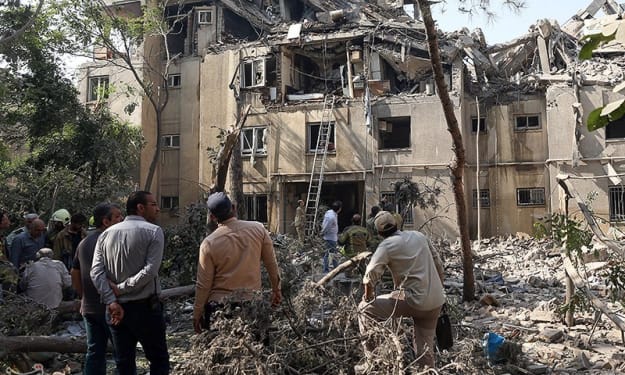
A British military base in Cyprus has been targeted in what authorities believe was a suspected drone attack, raising serious concerns about regional security and the vulnerability of strategic installations in the eastern Mediterranean. The incident marks a rare but alarming development involving one of the United Kingdom’s most important overseas military facilities. The base, located within the British Sovereign Base Areas on the island, reportedly detected an unidentified aerial object approaching its perimeter before defensive measures were activated. While no casualties were reported and damage appears to have been limited, the event has triggered an immediate security review and heightened alert levels across British forces stationed in the region. British officials have not publicly confirmed the origin of the drone or whether it was armed, but defense sources described the incident as a “serious security breach attempt.” Investigations are underway to determine who launched the device and whether it was part of a coordinated action linked to broader regional tensions. The eastern Mediterranean has recently seen increased military activity due to instability in the Middle East, making the incident particularly sensitive. The British bases in Cyprus play a vital role in intelligence gathering, air operations, and regional surveillance. They support missions related to counterterrorism, humanitarian relief, and the protection of shipping routes. Because of their proximity to conflict zones in the Middle East, these installations are considered strategically invaluable for the United Kingdom and its allies. Local authorities in Cyprus confirmed that airspace around the area was temporarily restricted following the incident. Residents in nearby communities reported hearing unusual sounds and seeing military helicopters patrolling the skies shortly afterward. While the Cypriot government emphasized that there was no immediate threat to civilians, it acknowledged that the attempted attack highlighted the growing risks posed by drone technology. Security analysts say the suspected drone attack reflects a broader trend in modern warfare. Unmanned aerial systems have become cheaper, more accessible, and increasingly capable of bypassing traditional defenses. Even heavily fortified military installations can be challenged by small, fast-moving drones that are difficult to detect with conventional radar systems. “This is a reminder that the nature of threats has changed,” one defense expert noted. “It no longer takes a missile or aircraft to test a base’s security. A small drone can cause disruption, gather intelligence, or deliver explosives with relatively low cost and high impact.” The timing of the incident has also drawn attention. It comes amid heightened tensions in the Middle East and increased Western military involvement in regional security operations. British forces have been active in monitoring airspace, supporting allies, and ensuring the protection of international shipping routes. Any attempt to target a UK base could be interpreted as a warning signal or an effort to probe defenses. Officials stressed that contingency plans worked as intended and that personnel followed established protocols. The base remains operational, and there has been no disruption to ongoing missions. However, the Ministry of Defence is expected to introduce additional counter-drone measures, including enhanced surveillance systems and electronic jamming equipment. Diplomatic channels are also being engaged. The UK government is reportedly coordinating with Cypriot authorities and allied intelligence services to assess whether the incident was linked to state actors, militant groups, or rogue operators. If evidence points to an organized attack, it could carry serious political consequences and further strain already fragile regional stability. For Cyprus, the event underscores its delicate position as a host to foreign military bases in a volatile neighborhood. While the island has long served as a hub for international security operations, it also faces the risk of becoming entangled in conflicts beyond its borders. As investigations continue, the suspected drone attack serves as a stark illustration of how modern threats are evolving. The episode has reinforced the need for advanced defense systems and close international cooperation to protect critical military infrastructure. In an era when drones can cross borders silently and strike with precision, even long-established bases are no longer immune. The incident in Cyprus is likely to prompt renewed debate over military preparedness, regional security, and the growing challenge posed by unmanned aerial warfare.
By Fiaz Ahmed a day ago in The Swamp
Kuwait Shoots Down U.S. Jets in Friendly-Fire Incident, U.S. Central Command Says. AI-Generated.
The chief executive of Rolls-Royce has signaled openness to Germany joining the United Kingdom’s next-generation fighter jet program, a move that could reshape Europe’s defense industrial landscape and strengthen transatlantic collaboration. The comments come amid ongoing discussions about the Tempest program, the UK-led initiative to develop a stealth-capable, sixth-generation combat aircraft intended to replace the Eurofighter Typhoon in the 2030s. Rolls-Royce, responsible for designing and producing the jet’s engines, plays a critical role in the program’s development. The CEO emphasized that greater European participation could bring technical expertise, shared financial responsibility, and stronger interoperability between allied air forces. “We are always open to collaboration with our European partners,” he said, noting that the Tempest program could benefit from additional industrial and technological contributions. Germany, a leading European military power and a key Eurofighter Typhoon partner, has previously focused on its own fighter modernization initiatives. However, rising costs, technological complexity, and the evolving geopolitical environment have sparked renewed interest in multinational cooperation. Defense analysts suggest that Germany’s participation could also help ensure that the Tempest program achieves full-scale production more efficiently while reinforcing Europe’s independent aerospace capabilities. The UK government has made clear that the Tempest program remains a strategic priority. The project is part of the broader Future Combat Air System (FCAS) concept, which envisions a networked approach to air dominance, integrating manned aircraft, unmanned systems, and advanced sensors. Rolls-Royce is responsible not only for propulsion but also for working on adaptive engine technologies that will improve performance, reduce emissions, and enable the aircraft to operate in highly contested environments. Joining the program would allow Germany to leverage Rolls-Royce’s expertise and contribute its own advanced aerospace capabilities, including avionics, stealth technology, and systems integration. Proponents argue that pooling resources across European nations can reduce duplication, accelerate development timelines, and mitigate the financial burden associated with cutting-edge military aviation projects. However, multinational collaboration is not without challenges. Differences in procurement policies, budget cycles, and defense priorities have complicated previous European defense projects. Industrial and political negotiations will be needed to ensure equitable participation and protect national interests. Some observers caution that integrating German firms into the Tempest program may require complex agreements on intellectual property, workshare, and export controls. Despite these hurdles, the strategic rationale is compelling. Europe faces a rapidly evolving security landscape, with renewed military assertiveness from Russia and rising global tensions. A collaborative approach to developing next-generation fighter jets could enhance NATO’s overall air combat capabilities while demonstrating that European nations can maintain technological independence from non-European suppliers. Rolls-Royce’s CEO also highlighted the benefits of collaboration for the domestic aerospace sector. By expanding the pool of partners, the program could create more opportunities for UK suppliers and engineers while fostering international knowledge exchange. This could bolster the UK’s position as a leader in advanced aerospace technologies, ensuring that British industry remains competitive in the global defense market. Defense officials in both the UK and Germany have yet to comment officially on potential collaboration, but the announcement from Rolls-Royce underscores the growing interest in multinational approaches to complex defense projects. Analysts expect that discussions between governments and defense contractors will intensify in the coming months, particularly as timelines for the first prototypes accelerate. In conclusion, Rolls-Royce’s openness to German involvement signals a potentially transformative moment for European defense cooperation. By combining technological expertise, financial resources, and industrial capacity, a UK-Germany partnership on the Tempest program could set a new standard for next-generation fighter development. While challenges remain, the move reflects a broader recognition that multinational collaboration may be the most viable path to maintaining Europe’s strategic and technological edge in aerial warfare.
By Fiaz Ahmed a day ago in The Swamp
The Iran War Makes It Official – America Is Breaking With Europe. AI-Generated.
The latest war with Iran may come to define more than Middle Eastern geopolitics. It may mark the moment when the transatlantic alliance—one of the central pillars of global order since 1945—began to fracture openly and irreversibly. While Washington launched military strikes alongside Israel, European leaders responded with caution, calls for restraint, and diplomatic language. The divergence was stark, visible, and symbolic.
By Jameel Jamalia day ago in The Swamp