panic attacks
Sudden periods of intense fear. But remember, you're not alone.
Hypochondriasis: Understanding the Illusion of Illness
Hypochondriasis, also known as illness anxiety disorder or somatic symptom disorder, is a mental health condition characterized by excessive worry and fear of having a serious illness, despite little or no evidence of actual illness. Hypochondriac individuals often experience distressing physical symptoms and constantly seek reassurance or medical attention, which can significantly impact their daily lives and well-being. In this comprehensive article, we will delve into the concept of hypochondriasis, exploring the chances of being genuinely ill for hypochondriac patients, examining the reasons behind hypochondriasis, discussing the symptoms, and outlining preventive measures from both medical and psychological perspectives.
By Shams Ul Qammar3 years ago in Psyche
Roots in the sky
“Wow, she’s beautiful”, Jayden thought to himself as he walked down the long red aisle to his assigned seat right next to hers. “Ding Dong”, the sound that played before the pilot began his speech, the one where they recite the rules and warnings for sky travel, rang in his ears like a drum as his focus was entirely on her. She began adjusting her seat to lay back.
By Austyn Dinkins 3 years ago in Psyche
A 'genetic breakthrough' promises an effective treatment for Alzheimer's
A team from Cardiff University has identified 92 genes that significantly increase the risk of developing Alzheimer's disease, whereas only three genes were known when their research began in 2009, which means there is an exponential increase in information about the disease.
By News Correct3 years ago in Psyche
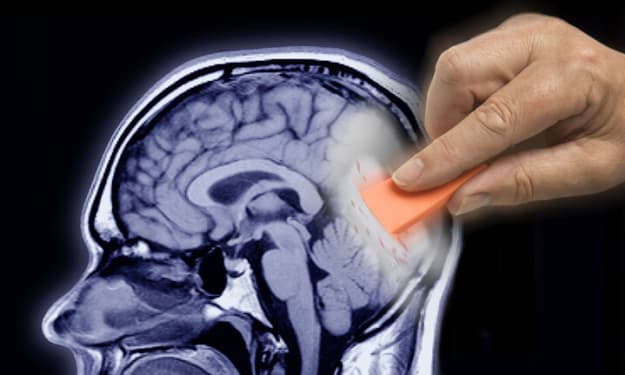
The human brain creates a false memory just a few seconds after the event!
People may misremember events, often within seconds, and reshape memories to fit their expectations. Previous studies have shown that people's perception of their surroundings can be shaped by their expectations, which can lead to delusions. People's long-term memories can also be shaped to fit their expectations, sometimes generating false memories.
By News Correct3 years ago in Psyche
Panic Attack Aftercare
Let’s talk about trauma aftercare. I have CPTSD. Today I woke up from a bad nightmare in an active panic attack. Nightmares are traumatic. They feel just like the real trauma that happened. This means that after I come out of the panic attack (treated with medication, self-talk, affirmations, grounding techniques, and active comfort), I need to take care of myself in ways I wouldn’t otherwise. I will need to actively reassure myself that I no longer have that trauma in my life. I will need extra reassurance from partners, and I might have to cancel activities to rest. I had to learn how to do these things. Our society teaches us that we should “suck it up” and move on, but that’s not actually how brains work. We have to reteach our brains that we are no longer in physical, emotional, sexual, mental, or psychological danger. That’s hard. That’s complicated. That’s not being a good capitalist. So we stockpile trauma, which isn’t good for anyone. So today I heal, at least the trauma from my nightmare. It’s probably going to involve a whopper (with cheese, no pickles, onion or ketchup), and a lot of reassuring myself that I have every right to nurture myself through food. It will require rest, and puppy snuggles, but in the end I will be more whole, I won’t have that trauma to pass on to others, and healing myself also heals the collective. Healing myself helps heal you, and vice versa. So we will heal together, we will commune together, and we will find joy together. Together we are stronger than trauma. Together, nothing can stop us.
By Karen LaRue3 years ago in Psyche
Lifting the veil of sadness
There’s an undercurrent of loneliness and isolation to everyday life. Its intensity varies. It’s not always apparent, though it’s always with us. It might creep up on you while walking down a street full of people and feeling disconnected from everyone you see; or when you have an opportunity to speak one-on-one with an interesting colleague at work, but just can’t make the intimate connection you’d hoped; or when someone disappoints you and you feel despondent, weak, and humiliated.
By Daniel Del Re3 years ago in Psyche
The Role of Empathy in Relationships
Empathy is the ability to understand and share the feelings of others. It is an important trait that plays a crucial role in building strong, healthy relationships. In this article, we will explore the role of empathy in relationships, how it can be developed, and why it is important.
By Terrell Greenwood3 years ago in Psyche