Latest Stories
Most recently published stories in Horror.
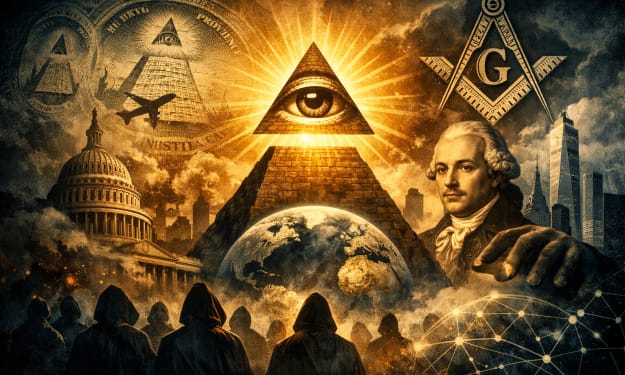
A Symbol Linked to Freemasonry and the Illuminati
The Eye of Providence, often referred to as the “All-Seeing Eye,” is one of the most recognized and debated symbols in the modern world. Depicted as a single eye enclosed within a triangle and often surrounded by rays of light, this symbol has appeared in religious art, national emblems, and popular culture for centuries. However, in recent times, it has become strongly associated with secret societies such as the Freemasons and the Illuminati, fueling countless conspiracy theories about hidden power and global control.
By Irshad Abbasi about 9 hours ago in Horror
The Secret Society That Became a Global Conspiracy Legend
The word “Illuminati” instantly evokes images of shadowy meetings, powerful elites, secret handshakes, and hidden symbols controlling the fate of nations. Over time, the idea of the Illuminati has evolved from a short-lived Enlightenment-era society into one of the most famous conspiracy theories in the world. But what is the truth behind this mysterious name, and how did it grow into a global obsession?
By Irshad Abbasi about 22 hours ago in Horror
7 Horror TV Series with Strong Female Characters
The horror genre on television has been fueled by strong female characters who have enhanced the genre and captivated other women, getting them interested in these types of stories. It can be said that this genre is feminist and understands women very well in all their complexity.
By Ninfa Galeanoabout 23 hours ago in Horror
The Bridge That Whispers
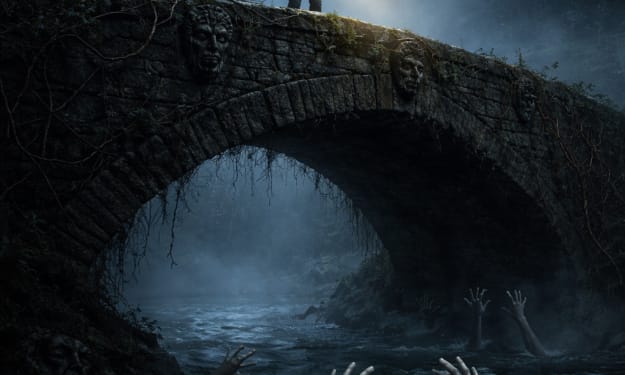
In bridge no one used anymore. It curved gently over a narrow river, its surface cracked and moss-covered, as if time itself had tried to bury it. Locals crossed the modern bridge downstream, leaving the old one to the fog, the wind, and the stories. Tourists were told the bridge was unsafe. Children were told it was haunted. Elena heard about it on her first night in Greyhaven. She had come from the city to catalog historical structures for a regional preservation project. Greyhaven was her last stop—quiet, remote, and perfect for work. The innkeeper, a thin man with pale eyes, hesitated when she mentioned the old bridge. “Don’t go there after sunset,” he said. “It talks.” Elena laughed politely. She had spent years documenting ruins, castles, and forgotten churches. Every village had a ghost story to protect a pile of stones. Still, she noticed how the innkeeper’s hand trembled when he handed her the room key. The next morning, Elena walked to the bridge with her camera and notebook. In daylight, it looked harmless—beautiful, even. Wildflowers grew between the stones, and the river below whispered softly. She took photographs, measured the arch, and noted the erosion. There were strange carvings on the sides: not words, but twisted symbols, worn almost smooth. That night, she dreamed of water. In her dream, she stood on the bridge in thick fog. The river beneath her was silent, black as ink. From the stones under her feet came a low sound, like breath passing through teeth. Come back. She woke suddenly, heart racing. Outside her window, the fog was rolling in from the hills. Elena told herself it was only a dream caused by fatigue. But the next night, it happened again. This time, the whisper was clearer. Come back to us. On the third day, she asked a woman in the village café about the bridge. The woman stopped stirring her coffee. “They drowned there,” she said quietly. “Long ago. When the river flooded, the bridge broke in the middle. A wedding party was crossing. Carriage, horses, music… all gone. People say the stones remember the weight of them.” Elena felt a chill run down her spine. “That’s just a story, right?” The woman looked up. “Stories begin somewhere.” That evening, driven by curiosity and something darker—something pulling at her—Elena returned to the bridge at dusk. Fog wrapped around the riverbanks like a living thing. The modern bridge lights glowed far away, safe and distant. She stepped onto the old stones. The air felt colder in the center of the bridge. Her breath became visible. Then she heard it: soft footsteps behind her. She turned. No one was there. The river below began to make a different sound—not water, but voices. Murmuring, layered and slow. Stay. Elena backed away, but her foot caught on a broken stone. She fell to her knees. The carvings along the bridge seemed deeper now, sharper. They formed shapes—faces, frozen in stone, mouths open in endless screams. Hands rose from the mist. They were pale, dripping, reaching for her ankles. Elena screamed and scrambled backward, tearing her coat on the rough stone. One cold hand brushed her skin, and in that moment, she saw it: a flash of the past. Horses panicking. A carriage tipping. People crying out as dark water swallowed them. And then silence. She ran. By the time she reached the inn, her legs were shaking so badly she could barely stand. The innkeeper saw her face and said nothing—only locked the door behind her. She left Greyhaven the next morning without finishing her work. Months later, her report mentioned “structural instability” and “severe erosion.” It said nothing about whispers or hands or memories trapped in stone. But sometimes, when Elena stands on bridges in other cities—busy ones filled with traffic and noise—she feels a vibration under her feet, like a distant echo. And in the sound of rushing water, she hears a familiar voice: Come back.
By Iazaz hussaina day ago in Horror
My Life Under CIA Control
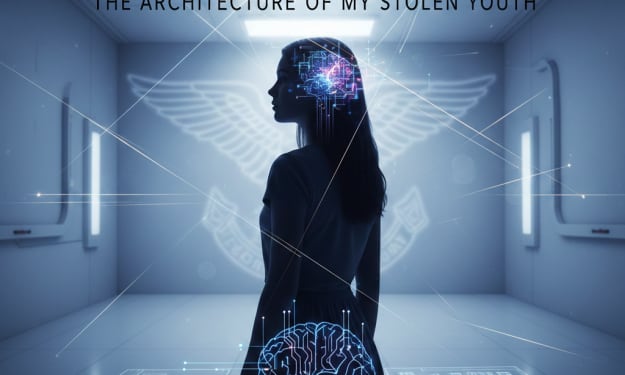
How the CIA Used My Mind as a Battlefield—and How I Won It Back In the summer of my sixteenth year, while my peers were learning to drive and obsessing over prom dresses, I was being taught how to disappear. Not physically, but mentally. I was being dismantled, piece by piece, by men in white coats and gray suits who viewed my consciousness not as a human soul, but as a territory to be conquered.
By Irshad Abbasi a day ago in Horror