wellness
The state of being in great health, and continually striving to attain all of your goals.
Why Walking Starts to Feel Unsteady — And How Sensory Awareness Changes Everything
Walking is something most people rarely think about—until it begins to feel different. Small changes in balance can appear gradually: a slight hesitation when turning, a need to hold onto railings or a growing sense that steps are less predictable than before. These experiences are often described collectively as walking balance issues, and they’re commonly blamed on muscle weakness or aging joints.
By AhmedFitLifeabout a month ago in Longevity
The Overlooked Mechanics of Balance: Why Stability Starts Below the Knees
Balance is often associated with core strength or posture, but the mechanics of stability begin much lower in the body. The feet and ankles are the first point of contact with the ground, making them responsible for detecting changes in movement. Before larger muscles engage, the ankles send information through the nervous system that guides how the body adjusts and maintains equilibrium.
By AhmedFitLifeabout a month ago in Longevity
The Simple Truth About Amino Acid Supplements Most People Never Hear. AI-Generated.
There’s a quiet moment many people experience that rarely gets talked about. It usually doesn’t happen during a dramatic injury or a major health scare. It happens during something ordinary. Maybe it’s when you stand up after sitting longer than you planned. Maybe it’s that subtle stiffness in your shoulders when reaching for something on a high shelf. Maybe it’s the moment you notice your body needs a few extra seconds to “warm up” before it feels comfortable moving.
By Everyday Joint Reliefabout a month ago in Longevity
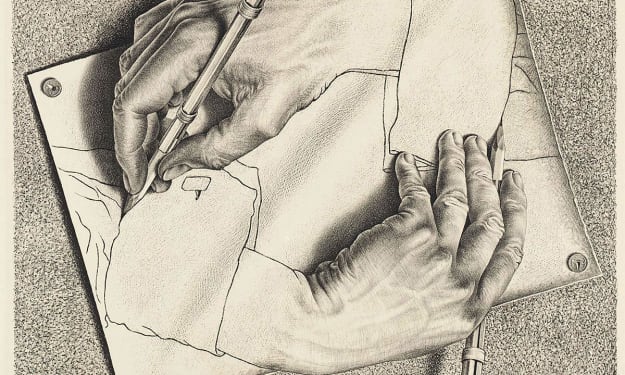
Why Handwriting Could Be Good For You
Introduction Text from the Instagram post below: 1. Dr. Tanaka tracked seniors over 80 in Kyoto and found one constant: they wrote by hand for 15 minutes a day. Typing uses one neural pathway, but physical writing hits 17 different zones. You’re robbing your focus when you pick a keyboard over a pen. 2. MRI scans show that writing by hand forces your brain to manage spatial logic and memory at the same time. This effort keeps you off autopilot. Typing is just muscle memory, while writing is active thinking. It’s the clear difference between simple data storage and actual cognitive engagement. 3. In one trial, those journaling by hand had 41% better recall and 34% faster processing. “The pen builds the hardware,” Tanaka noted. The industry hid this for years to protect revenue, since you can’t patent a pen. They chose profit over your memory. Write three original sentences every morning to keep your mind sharp.
By Mike Singleton 💜 Mikeydred about a month ago in Longevity