Latest Stories
Most recently published stories in Longevity.
Strength Has No Age Limit. AI-Generated.
For too long, fitness has been marketed as a young person’s game. High intensity. Fast transformations. Before-and-after photos. Performance metrics. The message is subtle but consistent. If you’re not chasing visible change, you’re falling behind.
By Alex Wilkinson11 days ago in Longevity
Top 7 Health Benefits of Drinking Lemon Water Daily. AI-Generated.
Sometimes, the simplest habits make the biggest difference. Lemon water is one of those habits. No expensive ingredients. No complicated routine. Just water and lemon — yet people around the world swear by it.
By Veronica Bennett11 days ago in Longevity
Early Warning Signs: Minor Symptoms That Evolve Into Chronic Pain
Most people dismiss minor aches and stiffness as temporary inconveniences or inevitable parts of aging. However, medical experts across multiple specialties warn that these seemingly insignificant symptoms often serve as early warning signs of chronic pain conditions that become far more difficult and expensive to treat once they progress. Understanding which minor symptoms deserve immediate attention can prevent years of unnecessary suffering and disability.
By Tim Clarke12 days ago in Longevity
Bananas vs. Apples: Which Fruit is Better for Your Blood Sugar?
We’ve all heard the age-old warning: "Eat too much fruit, and your blood sugar will spike." But if you are managing diabetes, prediabetes, or simply trying to maintain steady energy levels throughout the day, the choice between a banana and an apple can feel surprisingly high stakes.
By Epic Vibes13 days ago in Longevity
Sightings of One of the UK’s Rarest Insects Triple. AI-Generated.
A remarkable increase in sightings of one of the United Kingdom’s rarest insects has delighted conservationists and nature lovers across the country, offering a rare piece of good news in an era of widespread insect declines. The insect in question, the green forest hoverfly (Caliprobola speciosa), has seen recorded observations treble in recent years, prompting hope that dedicated conservation work and habitat protection measures may be paying off. The green forest hoverfly is a striking species, known for its metallic green and golden body adorned with bright orange wings and legs. It is extremely uncommon and has historically only been reliably recorded in two parts of southern England: the New Forest in Hampshire and Windsor Great Park in Berkshire. Soaring Sightings: What the Data Shows According to a four‑year study supported by Forestry England, sightings of the green forest hoverfly have increased from around 150 recorded observations before 2022 to more than 450 in recent counts — a threefold jump in documented appearances. Volunteers dedicated thousands of hours to data collection, using standardized survey methods to track individual hoverflies across the hoverfly’s short spring flight period. The insect emerges for only a few weeks each spring and is highly dependent on specific habitat features. Ancient beech trees and decaying stumps provide essential breeding sites where females lay their eggs, and the larvae develop in the decomposing wood. These microhabitats are increasingly rare across much of the UK due to forest fragmentation and historical woodland management practices that removed deadwood from managed forests. Despite its rarity, the species has long fascinated naturalists because of its striking appearance and elusive behaviour. Its distinctive green sheen makes it unmistakable to trained observers, but its overall scarcity has made population trends difficult to monitor consistently until volunteer survey efforts were established. Conservation in Action The rise in sightings has not happened by accident. Conservation groups have been working for years to protect and manage suitable habitats, particularly in the New Forest — one of the UK’s most biodiverse woodland landscapes. Forestry England has used data from hoverfly surveys to adjust habitat management plans, including removing excessive holly and undergrowth that can shade out deadwood resources and disrupt the fine ecological balance required by these insects. Leanne Sargeant, a senior ecologist with Forestry England, described the New Forest as a “haven for nature,” emphasizing that the recent findings illustrate how targeted conservation and community involvement can make a difference for even the most cryptic species. Sargeant said the survey results have helped improve understanding of the hoverfly’s distribution and habitat needs, allowing managers to fine‑tune practices that encourage biodiversity rather than suppress it. For example, some areas previously cleared for visitor access or aesthetic reasons are now being managed to retain deadwood and older trees, which are vital for insect life cycles. Volunteers and Citizen Science Play a Key Role The surge in sightings would not have been possible without the dedication of volunteer naturalists. These citizen scientists conducted more than 2,700 hours of field observations, recording not only green forest hoverflies but also a range of other rare and scarce insects that benefit from improved woodland habitats. Their observations contribute to long‑term species databases used by conservation bodies across the UK. One survey volunteer, Andy Murdock, noted that the renewed understanding of the hoverfly’s presence has helped highlight the importance of protecting ancient woodland features that many casual visitors might overlook. “With the right habitat, this species can continue to thrive,” he said, reflecting the optimism among enthusiasts. AOL Why It Matters The green forest hoverfly’s rebound is particularly significant in the context of broader declines in insect populations worldwide. Recent global studies have shown that insect abundance and diversity are under threat due to habitat loss, climate change, pesticides, and land‑use change — making any sign of recovery noteworthy. For the UK, where many insect species are in long‑term decline, the hoverfly’s success demonstrates that focused conservation action, supported by scientific data and public involvement, can yield measurable improvements. It also serves as a reminder that protecting biodiversity requires preserving the natural processes and habitats that underpin complex ecological webs. Looking Ahead Researchers and volunteers plan to continue monitoring the green forest hoverfly in coming years to determine whether the upward trend is sustained. They also hope that similar efforts in other parts of the UK can shed light on the status of other rare insects, helping to ensure that these small but vital species are not lost to future generations.
By Fiaz Ahmed 13 days ago in Longevity
The Great Olympic Lie: Untold Story of Winter Games’ Huge Environmental Impact. AI-Generated.
The Winter Olympics have long been celebrated as a pinnacle of athletic achievement, a showcase of human skill, and a stage for international unity. But behind the dazzling ceremonies and world-class competitions lies a rarely discussed truth: the environmental cost of hosting the Games is staggering, often leaving lasting damage long after the medals are awarded. Experts in environmental science and sustainability have raised concerns over the carbon footprint, water usage, and ecological disruption associated with Winter Olympic venues. From artificially frozen ski slopes to massive construction projects for stadiums, hotels, and transport infrastructure, the Games often come with hidden consequences that the public rarely sees. Carbon Footprint and Energy Usage One of the most significant impacts is the carbon emissions generated by hosting the Games. Building new infrastructure in mountainous or remote areas requires heavy machinery, transport of materials, and large amounts of concrete and steel — all of which contribute to greenhouse gas emissions. Additionally, keeping ski slopes and ice rinks frozen requires immense energy, often derived from fossil fuels. In the most recent Winter Games, organizers reported electricity usage sufficient to power several medium-sized cities for months. Despite pledges to offset emissions through renewable energy projects and carbon credits, independent analyses suggest that these offsets often fall short of counterbalancing the environmental toll. Water Usage and Scarcity Water consumption is another hidden cost. Artificial snow production, necessary to guarantee competitive ski and snowboarding conditions, uses millions of liters of water. In regions already facing water scarcity, this can strain local supplies, disrupt natural ecosystems, and impact local communities. “Artificial snow is incredibly water-intensive,” says Dr. Claire Montagne, an environmental scientist studying alpine ecosystems. “It alters soil composition, affects native plant life, and can even disrupt downstream water availability for towns and wildlife.” Deforestation and Habitat Disruption Construction of ski runs, gondolas, hotels, and road networks often involves deforestation and habitat destruction. Trees are cleared to make way for slopes and infrastructure, displacing wildlife and contributing to erosion. Even temporary structures can leave long-lasting scars on sensitive alpine ecosystems. Studies show that some areas take decades to recover, if they recover at all. Local wildlife is particularly affected. Species adapted to high-altitude environments face disruption in feeding, breeding, and migration patterns. “The impact on fauna is subtle but significant,” Dr. Montagne adds. “It’s not always visible immediately, but it accumulates over time.” The Myth of ‘Sustainable Games’ Olympic organizers often promote the idea of sustainability, highlighting energy-efficient buildings, green transportation initiatives, or carbon offset programs. While well-intentioned, critics argue that these efforts do not address the structural environmental costs of hosting a massive, temporary event. New venues often remain underused after the Games, becoming so-called “white elephants,” while old venues are abandoned or demolished, creating additional waste and environmental degradation. For example, several past Winter Games have left entire ski resorts or ice arenas largely unused, despite the ecological destruction required to build them. Even cities with ambitious “green” plans often struggle to make a tangible difference once the Games’ logistics and infrastructure demands are accounted for. The Call for Transparency Environmentalists are urging Olympic committees and host cities to publish detailed impact assessments before bidding and to prioritize retrofitting existing venues rather than constructing new ones. Some propose rotating the Games among pre-approved locations with minimal ecological disruption, reducing the need for large-scale construction projects each cycle. “The world needs the Winter Olympics, but it shouldn’t come at the cost of fragile ecosystems,” says Dr. Montagne. “Transparency, planning, and sustainable practices are critical if we want these events to truly celebrate both sport and the planet.” As global awareness of climate change grows, the Olympic movement faces a pivotal choice: continue pursuing spectacle at environmental expense or embrace a new model that values ecological stewardship as highly as gold medals.
By Fiaz Ahmed 13 days ago in Longevity
Community Asked to Step In as Aging Mental‑Health Residence Desperately Needs Renovations. AI-Generated.
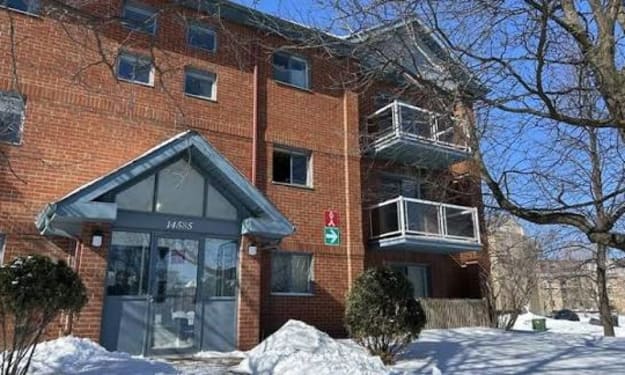
Start writing...A long‑standing mental‑health residence in [City/Region] is sounding the alarm as urgent renovations are needed to ensure the safety, health, and well-being of its residents. Established more than four decades ago, the facility has provided shelter, care, and therapy for individuals with severe mental‑health challenges. Over the years, it has become a cornerstone of community support for vulnerable populations. However, time has taken a toll on its infrastructure, and the building now faces serious safety and accessibility concerns. The residence’s leadership described the situation as critical, emphasizing that some areas of the facility no longer meet modern safety or accessibility standards. Outdated plumbing, deteriorating roofs, and malfunctioning heating and ventilation systems are just a few of the pressing issues. Fire safety equipment is nearing the end of its operational life, and certain living spaces remain difficult to access for residents with mobility challenges. “Maintaining a safe and comfortable environment is not optional — it’s essential for the well-being of our residents,” said [Executive Director Name], the facility’s director. “Without immediate renovations, we risk compromising the care and security that people with severe mental-health conditions rely on every day.” The Importance of Renovations The residence serves individuals with a range of mental-health conditions, including schizophrenia, bipolar disorder, severe depression, and anxiety disorders. Many residents require round-the-clock care and structured routines to thrive. For them, a stable living environment is not simply about comfort; it is integral to their mental and physical health. “Every leak, every cold room, every unsafe staircase affects our residents’ ability to live safely and with dignity,” explained [Program Manager Name]. “These renovations are not cosmetic — they are lifesaving.” Funding Challenges While the facility receives government funding, it covers only basic operations and staffing, leaving a significant shortfall for major repairs. Rising construction and materials costs have further strained budgets, making external support critical. To address the gap, the residence has launched a community-driven fundraising campaign to cover essential projects, including roof repairs, updated bathrooms, fire safety upgrades, and improved accessibility features. The campaign seeks both financial contributions and volunteer support. Local residents and businesses are encouraged to donate, organize fundraising events, or assist with minor repairs and landscaping. Officials hope that public engagement will not only provide the necessary funds but also increase awareness of the ongoing challenges faced by people living with severe mental-health conditions. Community Engagement and Support The residence is actively reaching out to the community, hosting open days, workshops, and awareness campaigns to educate the public about mental health and the importance of supportive housing. By involving the community directly, officials hope to foster a sense of shared responsibility and solidarity. “Community support is vital,” said [Executive Director Name]. “Even small contributions of time, skills, or funds can make a meaningful difference in ensuring a safe, nurturing environment for our residents.” Local health experts point out that aging residential facilities face similar challenges nationwide. Many operate with limited funding, outdated infrastructure, and staffing shortages, relying on community involvement to maintain essential services. [Local Health Official Name] noted that the situation reflects a broader need for sustained public investment in mental-health care. Broader Implications Neglecting facilities like this can have far-reaching consequences. Substandard housing conditions can exacerbate mental-health symptoms, hinder recovery, and reduce the effectiveness of therapeutic programs. Additionally, compromised infrastructure can create safety hazards for both residents and staff, increasing the likelihood of accidents and emergencies. “The well-being of our residents is intertwined with the broader community,” said [Program Manager Name]. “Supporting this residence means supporting public health, safety, and social cohesion.” Next Steps Facility leadership hopes that renovations can begin as soon as funding and volunteer support are secured. Interim measures are being implemented to safeguard residents, including temporary repairs, enhanced monitoring, and stricter safety protocols. “The urgency is real,” emphasized [Executive Director Name]. “We want to ensure that residents continue to have a safe, dignified, and supportive environment. Community action now can make the difference between survival and thriving.” The residence invites anyone interested in helping — through donations, volunteering, or advocacy — to contact its administrative office or visit its website for more information. The goal is to mobilize the community quickly so renovations can begin before conditions deteriorate further.
By Fiaz Ahmed 13 days ago in Longevity