Latest Stories
Most recently published stories in Earth.
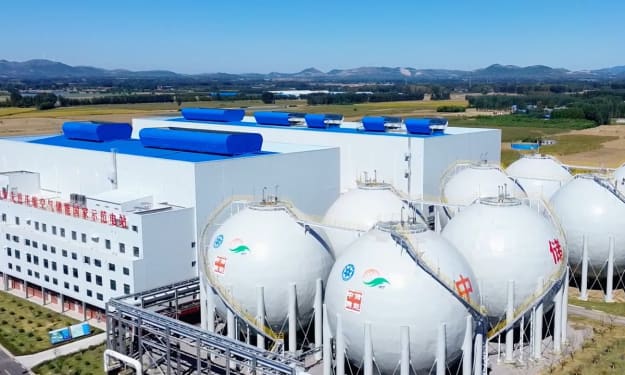
World-largest: China’s 792 million kWh compressed air energy station now fully operational. AI-Generated.
Britain must accelerate its transition toward renewable energy sources as geopolitical conflicts continue to drive global energy prices higher, according to leading energy analysts and climate policy experts. The warning comes as wars and political tensions across key energy-producing regions expose the vulnerability of countries still heavily reliant on imported fossil fuels. In recent years, the United Kingdom has made significant progress expanding renewable energy capacity, particularly in offshore wind and solar power. However, experts argue that the pace of the transition remains insufficient to shield the country from the volatility of international energy markets. Conflicts in the Middle East and Eastern Europe have demonstrated how quickly supply disruptions can translate into rising costs for households and businesses. Energy economists say the lesson from recent global crises is clear: the more dependent a country is on imported oil and gas, the more exposed it becomes to geopolitical shocks. Britain imports a substantial portion of its natural gas and refined fuel products, meaning instability in global supply chains can quickly affect domestic energy bills. During periods of international conflict, oil prices often spike due to fears that shipping routes or production facilities could be disrupted. Even rumors of attacks near key energy chokepoints — such as major pipelines or shipping lanes — can cause markets to react sharply. These fluctuations, analysts say, ultimately filter down to consumers through higher electricity and heating costs. Renewable energy sources offer a potential solution to this problem because they rely on domestic resources such as wind and sunlight rather than imported fuels. Once renewable infrastructure is built, operating costs remain relatively stable because there is no need to purchase fuel on global markets. The United Kingdom already operates some of the world’s largest offshore wind farms, and renewable energy now accounts for a significant share of the country’s electricity generation. Government data indicates that wind power alone has become one of the largest sources of electricity in Britain, particularly during periods of strong weather conditions. Despite this progress, energy specialists argue that further investment is essential. Expanding renewable generation capacity requires not only building more wind and solar farms but also upgrading the national electricity grid. A modernized grid would allow energy produced in remote offshore locations to be transmitted efficiently to cities and industrial centers. Energy storage is another critical piece of the puzzle. Because renewable sources like wind and solar are intermittent, large-scale battery systems or alternative storage technologies are needed to ensure a stable supply of electricity during periods when generation drops. Developing these systems will require both technological innovation and sustained financial investment. Some experts also emphasize the importance of diversifying the country’s renewable portfolio. While offshore wind remains a cornerstone of Britain’s energy strategy, solar power, tidal energy, and green hydrogen could also play important roles in the future energy mix. The government has already announced plans to increase renewable capacity dramatically over the next decade. Officials argue that reducing reliance on fossil fuels will not only strengthen national energy security but also help the country meet its climate targets. However, critics say policy uncertainty and slow planning approvals have sometimes delayed renewable projects. Industry leaders have urged authorities to streamline regulatory processes and provide clearer long-term incentives for investors. For many analysts, the link between energy security and climate policy has never been more obvious. Wars and geopolitical tensions have shown that fossil fuel dependence can create economic vulnerability, while domestically produced renewable energy offers greater stability. “The global energy system is changing,” said one energy policy researcher. “Countries that invest early in renewable infrastructure will be better protected from geopolitical shocks and price spikes.” As international conflicts continue to reshape global energy markets, the debate over Britain’s energy future is likely to intensify. For supporters of renewable power, the current moment represents both a warning and an opportunity — a chance to accelerate the transition toward a more secure and sustainable energy system.
By Fiaz Ahmed about 3 hours ago in Earth
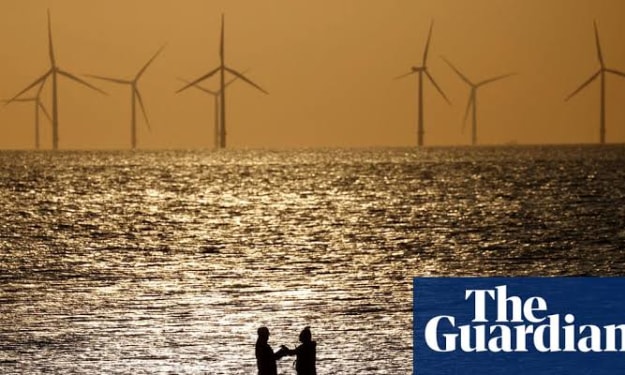
UK must double down on renewables as wars drive up energy costs, experts say. AI-Generated.
Britain must accelerate its transition toward renewable energy sources as geopolitical conflicts continue to drive global energy prices higher, according to leading energy analysts and climate policy experts. The warning comes as wars and political tensions across key energy-producing regions expose the vulnerability of countries still heavily reliant on imported fossil fuels. In recent years, the United Kingdom has made significant progress expanding renewable energy capacity, particularly in offshore wind and solar power. However, experts argue that the pace of the transition remains insufficient to shield the country from the volatility of international energy markets. Conflicts in the Middle East and Eastern Europe have demonstrated how quickly supply disruptions can translate into rising costs for households and businesses. Energy economists say the lesson from recent global crises is clear: the more dependent a country is on imported oil and gas, the more exposed it becomes to geopolitical shocks. Britain imports a substantial portion of its natural gas and refined fuel products, meaning instability in global supply chains can quickly affect domestic energy bills. During periods of international conflict, oil prices often spike due to fears that shipping routes or production facilities could be disrupted. Even rumors of attacks near key energy chokepoints — such as major pipelines or shipping lanes — can cause markets to react sharply. These fluctuations, analysts say, ultimately filter down to consumers through higher electricity and heating costs. Renewable energy sources offer a potential solution to this problem because they rely on domestic resources such as wind and sunlight rather than imported fuels. Once renewable infrastructure is built, operating costs remain relatively stable because there is no need to purchase fuel on global markets. The United Kingdom already operates some of the world’s largest offshore wind farms, and renewable energy now accounts for a significant share of the country’s electricity generation. Government data indicates that wind power alone has become one of the largest sources of electricity in Britain, particularly during periods of strong weather conditions. Despite this progress, energy specialists argue that further investment is essential. Expanding renewable generation capacity requires not only building more wind and solar farms but also upgrading the national electricity grid. A modernized grid would allow energy produced in remote offshore locations to be transmitted efficiently to cities and industrial centers. Energy storage is another critical piece of the puzzle. Because renewable sources like wind and solar are intermittent, large-scale battery systems or alternative storage technologies are needed to ensure a stable supply of electricity during periods when generation drops. Developing these systems will require both technological innovation and sustained financial investment. Some experts also emphasize the importance of diversifying the country’s renewable portfolio. While offshore wind remains a cornerstone of Britain’s energy strategy, solar power, tidal energy, and green hydrogen could also play important roles in the future energy mix. The government has already announced plans to increase renewable capacity dramatically over the next decade. Officials argue that reducing reliance on fossil fuels will not only strengthen national energy security but also help the country meet its climate targets. However, critics say policy uncertainty and slow planning approvals have sometimes delayed renewable projects. Industry leaders have urged authorities to streamline regulatory processes and provide clearer long-term incentives for investors. For many analysts, the link between energy security and climate policy has never been more obvious. Wars and geopolitical tensions have shown that fossil fuel dependence can create economic vulnerability, while domestically produced renewable energy offers greater stability. “The global energy system is changing,” said one energy policy researcher. “Countries that invest early in renewable infrastructure will be better protected from geopolitical shocks and price spikes.” As international conflicts continue to reshape global energy markets, the debate over Britain’s energy future is likely to intensify. For supporters of renewable power, the current moment represents both a warning and an opportunity — a chance to accelerate the transition toward a more secure and sustainable energy system.
By Fiaz Ahmed about 3 hours ago in Earth
Sacred Words in a City of War
The night sky over the Gaza City was never truly dark anymore. Even after sunset, the horizon glowed faintly with the light of distant fires and explosions. Buildings that once held families, laughter, and ordinary life had become broken shadows of concrete and dust.
By Truth words about 7 hours ago in Earth
Planning a Vegetable Garden Layout: Sun, Space, and Succession. AI-Generated.
You've decided to grow your own food. You've cleared a space, bought seeds, and imagined baskets overflowing with tomatoes and zucchini. Then reality intervenes. The tomatoes shade the basil. The zucchini engulfs the carrots. By midsummer, you have more lettuce than you can eat, followed by a gap of nothing until frost.
By Emma Wallaceabout 7 hours ago in Earth
War:
War: The Art of Never Growing Up There is something deeply strange about war. It isn’t strange in the sense that it surprises us, we have normalized it far too effectively for that. Rather, it is strange in the way something feels instinctively "wrong" even after thousands of years of repetition. It feels like an evolutionary glitch, a behavior that doesn’t quite belong to the world we claim to be building.
By Rick Anguloabout 14 hours ago in Earth
The Edge of the Atlantic: Life, Weather, and the Meaning of Home. AI-Generated.
Along the edge of the Atlantic, life moves to the rhythm of wind and water. The sun rises over the ocean with a quiet certainty, casting its first light across the rooftops of South Florida’s coastal towns. Palm trees sway, seabirds glide above the shoreline, and the day begins beneath a sky that seems almost endlessly blue.
By Nikolay Barkalinabout 16 hours ago in Earth
The Trump Doctrine 2026: Redefining Global Trade and Geopolitics
As of March 2026, the international community finds itself navigating a seismic shift in global governance. The return of Donald Trump to the White House has introduced a "Peace through Strength" doctrine and a radical "America First" economic agenda that has disrupted decades of established diplomatic norms. From sweeping trade barriers to aggressive geopolitical maneuvering, the "Trump Effect" is the defining narrative of the mid-2020s. 1. The Great Tariff Wall: A 15% Global Shift The cornerstone of the administration’s 2026 agenda is the implementation of a 15% universal baseline tariff on nearly all imported goods. This policy represents the most significant shift in American trade history since the early 20th century. The Objective: The administration argues that these tariffs are essential to "onshore" manufacturing, reduce reliance on foreign adversaries (particularly China), and generate massive federal revenue to potentially replace domestic income taxes. Market Volatility: Global markets have reacted with high sensitivity. While American industrial stocks have seen a localized surge, multinational corporations are grappling with supply chain disruptions. Retaliation Fears: Trading partners in the European Union and the BRICS bloc have threatened reciprocal measures, leading economists to warn of a synchronized global trade war that could redefine the cost of consumer goods worldwide. 2. Geopolitics: Maximum Pressure 2.0 In the Middle East, the Trump administration has doubled down on its "Maximum Pressure" campaign against Iran. Following the recent reports of the death of Iran's Supreme Leader and the subsequent power vacuum, the U.S. has taken a definitive stance. Stifling the Oil Flow: By tightening sanctions to unprecedented levels, the U.S. aims to decouple Iran from the global energy market, seeking to neutralize its regional influence. The Abraham Accords Expansion: Simultaneously, the White House is pushing for a historic normalization deal between Israel and Saudi Arabia. This "Grand Bargain" is intended to create a unified security and economic bloc to stabilize the region without direct U.S. military entanglements. 3. Cultural Diplomacy and the Indo-Pacific Axis A surprising trend this March was the President’s widespread Holi outreach. By celebrating the Indian "Festival of Colors" and framing it as a victory of "good over evil," the administration has signaled a strategic deepening of the U.S.-India partnership. This is more than just cultural politeness; it is a calculated geopolitical move. By aligning closely with New Delhi, the U.S. seeks to create a formidable democratic counter-balance to China’s influence in the Indo-Pacific region, securing vital shipping lanes and technology partnerships. 4. Domestic Efficiency: The DOGE Initiative Internally, the Department of Government Efficiency (DOGE), led by high-profile figures like Elon Musk, continues to dominate the headlines. The mission to "slash the bureaucracy" has led to: Massive Deregulation: A rapid dismantling of federal oversight in the energy and tech sectors. The "Drill, Baby, Drill" Revival: By greenlighting massive domestic oil and gas projects, the U.S. has become the world’s leading energy exporter, lowering domestic prices but drawing sharp criticism from climate advocates. 5. The Future of Global Alliances The Trump Doctrine of 2026 has forced both allies and rivals to rethink their positions. Organizations like NATO and the UN are being pressured to reform or face decreased U.S. funding. The world is moving toward a bi-polar or multi-polar system, where bilateral deals are prioritized over multilateral treaties. Conclusion The Trump administration’s policies in 2026 are characterized by a rejection of the globalist status quo. Whether through the 15% tariff or "Maximum Pressure" diplomacy, the goal is a total re-centering of the global order with American interests as the sole North Star. As the year progresses, the success of this doctrine will depend on whether the global economy can absorb these shocks or if the friction will lead to a broader international crisis.
By Arafat Rahmana day ago in Earth
The Cordyceps Reality: How a fungus turns ants into "architects of their own death."
The mandible cracked. It was a dry, hollow snap that echoed in the silence of my library like a gunshot muffled by velvet. I wasn’t there in the Brazilian rainforest, of course; I was staring at a microscopic slide, illuminated by a flickering bulb that smells faintly of ozone and scorched dust. But the sound lived in my head. I could imagine the Camponotus leonardi—a soldier ant built for war—locking its jaws onto the underside of a leaf with such visceral force that its own head muscles began to liquefy. It was a final, involuntary act of architecture. The ant was building its own tomb, but the blueprint belonged to a ghost.
By The Chaos Cabineta day ago in Earth
Mount Sinai, the World’s Oldest Monastery, and the Prophet’s Letter: Faith, History, and a Controversial Development Plan
At a sacred site revered by Muslims, Christians, and Jews alike, an ambitious modernization project has stirred debate after reports of graves being relocated—raising questions about heritage, memory, and the cost of progress.
By Irshad Abbasi a day ago in Earth
San Francisco Food Banks: How Community Support Fights Hunger
San Francisco is a city filled with innovation, opportunity, and diverse communities, yet thousands of residents still struggle to secure enough nutritious food for their families. Rising living costs, fluctuating wages, and ongoing economic pressures make food insecurity a daily reality for many households. Food banks serve as an essential lifeline by providing access to healthy groceries, community resources, and supportive programs.
By Jason Prueta day ago in Earth