Fiaz Ahmed
Bio
I am Fiaz Ahmed. I am a passionate writer. I love covering trending topics and breaking news. With a sharp eye for what’s happening around the world, and crafts timely and engaging stories that keep readers informed and updated.
Stories (1446)
Filter by community
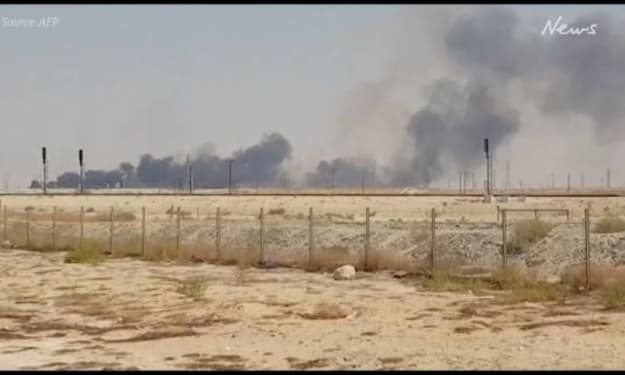
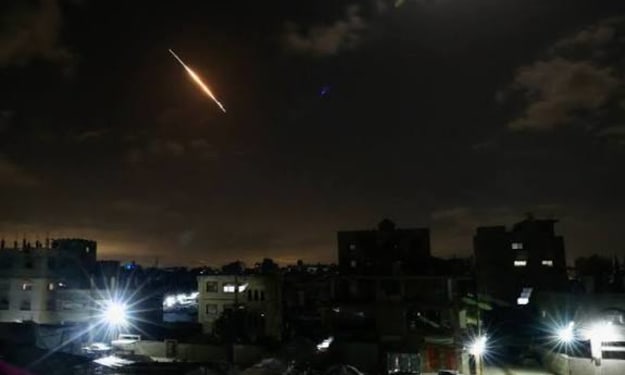
Saudi Aramco’s Berri Oilfield Targeted by Drone Attack. AI-Generated.
A drone attack targeting a major oil facility operated by Saudi Aramco has heightened fears about the vulnerability of energy infrastructure in the Gulf region. The incident reportedly struck near the Berri Oilfield, one of Saudi Arabia’s significant production sites located along the eastern coastline of the kingdom. According to regional security sources, several unmanned aerial vehicles approached the oilfield during the early hours of the morning, triggering air defense responses. While Saudi authorities have not confirmed the full extent of the damage, initial reports suggest that the attack caused limited disruption to operations. Emergency teams were quickly deployed to assess the site and ensure that production systems remained intact. The Berri oilfield plays a strategic role in Saudi Arabia’s energy sector. Situated in the Eastern Province, the field contributes a substantial portion of crude oil output and is connected to key processing facilities and export terminals. The facility is also close to important shipping routes that move millions of barrels of oil toward global markets each day. Security analysts believe the drone strike represents another example of how energy infrastructure has become a frequent target amid ongoing tensions in the Middle East. Oil facilities across the region have faced periodic threats from armed groups and geopolitical rivalries, particularly during periods of heightened regional conflict. Although no group immediately claimed responsibility for the attack, speculation quickly emerged among regional observers. Previous incidents targeting Saudi energy installations have been linked to the Houthi movement, which has carried out missile and drone operations against Saudi territory during the prolonged conflict in Yemen. However, officials emphasized that investigations are still underway and that attribution has not been confirmed. Saudi Aramco released a brief statement acknowledging the incident while reassuring global markets that oil production remains stable. “The company’s facilities are operating normally, and there has been no significant interruption to supply,” a spokesperson said. The statement also noted that safety procedures were activated immediately after the drones were detected. The attack has once again highlighted the strategic importance of Saudi Arabia’s energy infrastructure to global oil supply. As the world’s largest oil exporter, the kingdom plays a crucial role in balancing international energy markets. Any disruption to its production or export capacity can quickly influence global oil prices. Energy markets reacted cautiously to the reports. Traders monitored developments closely, with oil prices showing slight volatility as investors weighed the potential impact on supply chains. Analysts noted that even minor incidents near major oilfields can generate uncertainty, particularly during periods of geopolitical instability. The Gulf region has experienced several high-profile attacks on oil infrastructure in recent years. Perhaps the most dramatic occurred in 2019 when drones and missiles struck major processing facilities, temporarily disrupting a significant portion of Saudi oil output. That event demonstrated how relatively small unmanned systems could threaten critical energy assets. Since then, Saudi Arabia has invested heavily in advanced defense systems designed to detect and intercept drones and missiles before they reach strategic installations. These measures include enhanced radar coverage, improved air defense coordination, and additional physical protection around vital facilities. Despite these precautions, security experts say the evolving nature of drone technology continues to pose challenges. Smaller, low-flying drones can sometimes evade traditional defense systems, making them an increasingly attractive tool for groups seeking to disrupt energy infrastructure. For Saudi Arabia, protecting facilities like the Berri oilfield is essential not only for national revenue but also for maintaining stability in global energy markets. The country remains a central player within OPEC, where production decisions influence oil prices worldwide. Investigations into the latest attack are ongoing, with Saudi authorities working alongside regional security partners to determine how the drones reached the area and whether additional threats remain. Officials have promised to strengthen defensive measures around strategic oil infrastructure if necessary. While the immediate damage appears limited, the incident underscores the fragile security environment surrounding some of the world’s most critical energy resources. For global markets and policymakers alike, the attack serves as a reminder that geopolitical tensions in the Middle East can quickly ripple across international energy supply chains.
By Fiaz Ahmed a day ago in The Swamp
Global Trade’s Lifelines: 6 Shipping Lanes That Keep the World Economy Moving. AI-Generated.
Maritime shipping lanes are the unsung lifelines of global trade. Roughly 90% of the world’s goods—from electronics and oil to food and raw materials—travel by sea, navigating a network of strategic shipping corridors that connect producers to consumers across continents. Disruptions along these routes can ripple across the global economy, impacting supply chains, energy prices, and trade flows. Here are six critical shipping lanes that underpin international commerce: 1. The Strait of Hormuz Located between Oman and Iran, the Strait of Hormuz is a narrow passage through which roughly 20% of the world’s oil supply passes. Tankers from Gulf nations rely on this corridor to transport crude to Europe, Asia, and the Americas. Heightened regional tensions can quickly drive up oil prices, as recent conflicts and military posturing have shown. 2. The Suez Canal The Suez Canal connects the Mediterranean Sea to the Red Sea, allowing ships to bypass the lengthy voyage around Africa’s Cape of Good Hope. The canal handles approximately 12% of global trade, making it one of the most strategically important maritime routes. The 2021 blockage by the container ship Ever Given demonstrated how a single incident can stall billions of dollars in goods. 3. The Strait of Malacca Between Malaysia and Indonesia, the Strait of Malacca serves as the main artery for ships traveling between the Indian Ocean and the Pacific. Around 25% of all traded goods pass through this narrow channel, including oil, electronics, and commodities. Its vulnerability to congestion or piracy has prompted constant monitoring and security initiatives. 4. The Panama Canal Connecting the Atlantic and Pacific Oceans, the Panama Canal facilitates the rapid movement of goods between Asia and the Americas. For decades, the canal has shortened transit times and reduced fuel costs for shipping companies. Recent expansions allow larger vessels to pass through, accommodating the growth of global containerized trade. 5. The English Channel One of the busiest shipping lanes in the world, the English Channel links the United Kingdom to continental Europe. Nearly 500 ships pass daily, carrying everything from raw materials to finished products. Its strategic position near Europe’s industrial and financial hubs makes it crucial for European commerce, especially during Brexit-related logistical shifts. 6. The Bab el-Mandeb Strait Connecting the Red Sea to the Gulf of Aden, the Bab el-Mandeb Strait sits between Djibouti and Yemen. About 4.8 million barrels of oil daily flow through this route, alongside other key commodities. Regional instability, piracy, and conflict in nearby areas have raised concerns over potential disruptions. Why These Routes Matter Global shipping lanes are not just pathways for goods—they are economic arteries that sustain industry, employment, and geopolitical influence. Even minor blockages can trigger cascading effects, delaying shipments, inflating prices, and disrupting production cycles. For instance, disruptions in the Suez Canal or Strait of Hormuz often lead to surging oil prices and logistical bottlenecks worldwide. Shipping companies, governments, and international organizations invest heavily in monitoring, securing, and maintaining these corridors. Advances in maritime technology, satellite navigation, and coordinated international patrols help mitigate risks such as piracy, geopolitical tensions, and accidents. Challenges Ahead Despite these safeguards, global shipping remains vulnerable. Rising geopolitical tensions, climate change, and evolving security threats could jeopardize these vital routes. Analysts warn that the reliance on a handful of narrow corridors makes the global economy susceptible to unforeseen shocks. Diversifying routes and improving maritime infrastructure are considered key strategies for resilience. The lifelines of global trade are more than just shipping lanes—they are critical components of the modern economy, linking markets, nations, and people. Protecting them ensures not only the smooth flow of goods but also global economic stability, energy security, and international cooperation. As trade volumes continue to grow and international tensions rise, these six corridors will remain under scrutiny, reminding the world just how interconnected and fragile the modern global supply chain truly is.
By Fiaz Ahmed a day ago in The Swamp
China’s PBOC Extends Gold Buying as Middle East Tension Simmers. AI-Generated.
Amid escalating tensions in the Middle East, China’s People’s Bank of China (PBOC) has reportedly increased its gold reserves, signaling a cautious hedging strategy against geopolitical uncertainty and market volatility. Analysts suggest the move reflects Beijing’s effort to protect its financial stability while diversifying its foreign reserves beyond the U.S. dollar. The PBOC has quietly purchased significant amounts of gold over the past quarter, according to domestic and international sources tracking global bullion markets. China, already the world’s largest gold consumer, is taking advantage of recent dips in the yellow metal’s price to bolster its reserves. Some estimates indicate that these purchases could add tens of billions of dollars in value to Beijing’s holdings. The backdrop to this move is a surge in regional tensions, particularly involving Iran and neighboring Gulf states. Military escalation in the Persian Gulf and attacks on shipping lanes have created uncertainty in oil markets, prompting central banks worldwide to seek stability in alternative assets such as gold. “Gold remains a safe haven in times of geopolitical risk,” said Li Wen, a commodities analyst in Shanghai. “By increasing its holdings, China is hedging against currency fluctuations and potential disruptions in energy supplies.” China’s strategy is consistent with its long-term goal of diversifying reserves. While the U.S. dollar dominates global trade and reserve holdings, Beijing has gradually been shifting toward assets less exposed to external shocks. Gold provides a tangible store of value immune to political interference, making it an attractive option amid rising U.S.-Middle East tensions. The current wave of purchases also coincides with increased volatility in global energy markets. Iran, a major oil exporter, has become central to international concern following a series of attacks on commercial vessels and heightened military activity in the Gulf. Crude oil prices have fluctuated sharply in response to these developments, prompting financial institutions to reassess risk exposure. China relies heavily on Middle Eastern oil to fuel its growing economy, with imports from the Gulf making up a substantial portion of national demand. By bolstering gold reserves, the PBOC is indirectly insulating the economy from potential supply shocks or price spikes resulting from regional instability. International observers note that China’s gold buying is part of a broader trend among central banks seeking alternative reserves. In recent months, central banks from India, Russia, and other major economies have also increased gold purchases, citing similar concerns about geopolitical risks and financial market uncertainty. Despite the strategic significance, China has not publicly disclosed the full scale of its bullion acquisitions. PBOC statements emphasize the importance of maintaining diversified reserves while supporting domestic financial stability, avoiding commentary on specific geopolitical considerations. Analysts, however, argue that timing and scale strongly suggest the purchases are linked to the ongoing Middle East situation. The move has implications beyond Beijing’s balance sheet. Increased demand from central banks can influence global gold prices, which are already sensitive to currency fluctuations, interest rate expectations, and geopolitical developments. Markets have responded with slight upward pressure on bullion prices, reflecting investor sentiment regarding safety and liquidity. China’s extended gold accumulation reflects both financial prudence and geopolitical calculation. By hedging against potential shocks in global markets, the PBOC is signaling a cautious approach to international uncertainty, particularly in the oil-rich Middle East region. Observers believe this trend may continue if tensions escalate further, as gold remains a globally recognized hedge against risk. For Beijing, expanding its reserves is not only an economic safeguard but also a strategic tool, ensuring that China remains resilient in a volatile global landscape. With the Middle East crisis showing no immediate signs of de-escalation, China’s PBOC is likely to maintain, if not accelerate, its gold purchases, securing an asset that has historically proven its value in times of uncertainty and geopolitical unrest.
By Fiaz Ahmed a day ago in The Swamp
Trump Accuses Starmer of Seeking to “Join Wars After We’ve Already Won” and Dismisses UK Aircraft Carriers. AI-Generated.
U.S.-U.K. relations strain as former President Donald Trump sharply criticises British Prime Minister over military support amid the Iran conflict. In a striking public rebuke, U.S. President Donald Trump accused British Prime Minister Keir Starmer of wanting to “join wars after we’ve already won” and declared that the United States does not need British aircraft carriers in its ongoing conflict with Iran. The comments, delivered via Trump’s Truth Social platform, have deepened friction between two traditional allies over how best to respond to escalating tensions in the Middle East. Trump’s Accusations and Message to Starmer Trump’s remarks targeted what he portrayed as a belated British willingness to support U.S. military efforts in the region — specifically, discussions in London about potentially deploying Royal Navy aircraft carriers to the Middle East theatre. In his post, Trump stated: “The United Kingdom, our once Great Ally, maybe the Greatest of them all, is finally giving serious thought to sending two aircraft carriers to the Middle East… That’s OK, Prime Minister Starmer, we don’t need them any longer — But we will remember. We don’t need people that join Wars after we’ve already won!” Trump’s message was framed as both a rejection of British military aid and a personal critique of Starmer’s leadership — suggesting the UK had been too slow in offering tangible support for U.S. and allied operations against Iran. The former U.S. president went further in interviews aboard Air Force One, emphasizing that British assistance “wasn’t needed now” and arguing it would have been more welcome earlier in the campaign. Trump’s comments reflect a broader frustration with what he views as inconsistent support from London. Aircraft Carriers and Strategic Disagreement The comments build on recent reports that the HMS Prince of Wales — the United Kingdom’s flagship carrier — had been placed on advanced readiness for a possible Middle East deployment, part of London’s effort to bolster regional security amid the expanding conflict. The British Ministry of Defence clarified that while the carrier’s readiness status was increased, no formal decision to send it to the Middle East had been taken. Trump’s dismissal of the carriers’ utility stands in contrast to British officials who argue that the presence of UK naval assets would support regional deterrence and strengthen allied capabilities. The debate occurs against the backdrop of broader allied coordination, where American forces have also begun using UK military bases for “defensive operations” related to strikes against Iranian missile capabilities. Starmer’s Position and UK Response In response to Trump’s criticism, Downing Street has stressed that decisions about military involvement must be made in Britain’s national interest. Starmer has defended his initial reluctance to permit the use of British bases for offensive action, citing the need to ensure any military engagement is legal, planned and necessary. Later, Starmer authorized limited U.S. use of UK bases for defensive missions, indicating a nuanced approach rather than full military alignment. British officials have underscored that the placement of HMS Prince of Wales on high readiness does not equate to a deployment order. Rather, it is part of contingency planning to ensure that whatever course of action the UK takes, it can act swiftly if needed. Rift in the “Special Relationship”? The exchange highlights growing tensions between Washington and London at a time when Western alliances are under strain. Trump’s critique not only questioned the timing of British support but also implied that hesitation weakened the historic “special relationship” between the United States and the United Kingdom — a bond long seen as a cornerstone of transatlantic cooperation. While some British commentators frame Trump’s remarks as political posturing, others see them as emblematic of broader disagreements over military strategy, national sovereignty, and the role of European powers in global conflicts. The dispute over support for U.S. and Israeli strikes on Iran reflects deeper debates within NATO and allied circles about how best to balance defensive commitments with diplomatic caution. Impact on International Relations Trump’s public criticism has reverberated beyond bilateral U.S.-UK relations. European and Middle Eastern governments are closely watching how Western allies coordinate their responses to regional instability. Diplomats stress that unity among democracies is crucial amid rising tensions, but divergent national priorities can complicate joint action. The sharp exchange between Trump and Starmer also comes at a moment when the United States is pressing forward with its campaign against Iran while insisting that many key objectives have already been achieved — a claim not universally shared by external observers or even within American strategic circles. Conclusion President Trump’s accusation that the United Kingdom is attempting to “join wars after we’ve already won” encapsulates a rare public rebuke of a close ally during a period of active conflict. Amid disagreements over the deployment of aircraft carriers and the pace of military support, both Washington and London face the challenge of balancing national interests with long-standing strategic partnerships. As the Iran conflict continues to unfold, how the two nations navigate their differences may have lasting implications for the future of Western military cooperation and diplomatic coordination in one of the world’s most volatile regions.
By Fiaz Ahmed a day ago in The Swamp
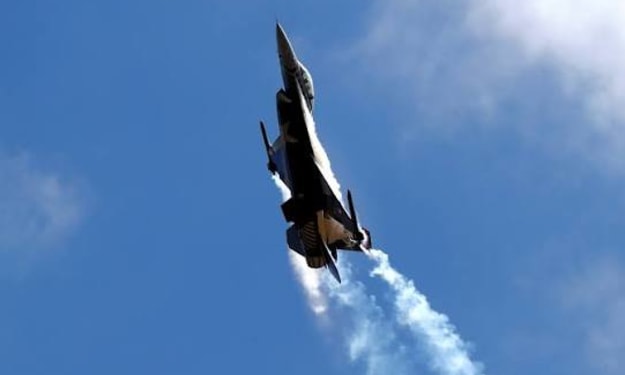
Turkey Considering Deployment of F-16s to Cyprus, Ministry Source Says. AI-Generated.
Ankara signals potential military escalation as tensions rise in the Eastern Mediterranean. Turkey is reportedly considering the deployment of F-16 fighter jets to Cyprus, according to a source within the Turkish Ministry of Defence. The potential move comes amid heightened regional tensions and ongoing disputes over airspace and territorial waters in the Eastern Mediterranean. The source, who requested anonymity due to the sensitivity of the issue, stated that Ankara is evaluating options to strengthen its military presence on the island in response to what it perceives as growing threats and provocative actions by neighboring states. While no final decision has been made, Turkish defence officials are reportedly assessing the logistics, operational readiness, and strategic implications of such a deployment. Strategic Context in the Eastern Mediterranean Cyprus has long been at the center of geopolitical disputes, particularly involving Turkey, Greece, and other regional powers. Turkey maintains a military presence in the northern part of the island, which it recognizes as the self-declared Turkish Republic of Northern Cyprus. Greece and the internationally recognized Republic of Cyprus consider such actions a violation of sovereignty. The consideration of deploying F-16s reflects Ankara’s intent to assert air superiority in contested areas and strengthen deterrence against perceived encroachments by neighboring forces. Turkish military analysts suggest that stationing fighter jets on the island could provide rapid response capabilities and enhanced surveillance of maritime zones in the Eastern Mediterranean, where energy exploration and military activity have created ongoing disputes. Potential Regional Reactions The announcement has already sparked concern among Greece, Cyprus, and other European states with interests in regional stability. Analysts warn that any increase in Turkish military assets on the island could exacerbate tensions and risk accidental clashes in congested airspace. Greek officials have historically expressed strong opposition to military expansions by Turkey in Cyprus, emphasizing that such deployments could violate international agreements and heighten the risk of confrontation. Similarly, the Republic of Cyprus has warned that any escalation could undermine ongoing diplomatic efforts to manage territorial disputes. European Union diplomats have also noted the importance of de-escalating military posturing in the region. In recent months, Brussels has called on all parties to exercise restraint, warning that heightened tensions in the Eastern Mediterranean could disrupt regional trade, energy exploration, and broader security cooperation. F-16 Capabilities and Operational Impact The Turkish Air Force operates a fleet of F-16 fighter jets capable of air defense, ground attack, and surveillance operations. Deploying these jets to Cyprus would enhance Turkey’s ability to respond rapidly to regional incidents, including aerial incursions, maritime disputes, or potential conflicts over energy exploration zones. Military analysts highlight that F-16s, when combined with advanced radar and command systems, provide significant operational reach and flexibility. They can conduct patrols, intercept aircraft, and support naval operations in contested areas. Such capabilities would reinforce Turkey’s position and demonstrate its readiness to protect strategic interests. Diplomatic Considerations While Turkey’s defence ministry has not officially confirmed the deployment, international observers are closely monitoring the situation. Analysts emphasize that a unilateral military build-up could provoke a response from neighboring states, potentially triggering a cycle of escalation. Diplomats from Greece, Cyprus, and the EU have reportedly begun consultations to coordinate messaging and assess contingency plans. Regional security experts note that ongoing military exercises, coupled with potential deployments, require careful management to avoid accidental clashes or miscalculations. Broader Implications The Eastern Mediterranean has emerged as a flashpoint for regional power competition, with multiple countries asserting claims over territorial waters and airspace. Energy exploration, maritime boundaries, and longstanding historical disputes contribute to the complexity of the situation. Turkey’s consideration of deploying F-16s to Cyprus underscores the delicate balance between deterrence and provocation. While Ankara frames the move as defensive, neighboring states view it as a potential escalation that could destabilize the region further. The international community is urging all parties to pursue diplomatic channels and confidence-building measures to prevent unintended incidents. Observers warn that missteps in the coming weeks could have far-reaching consequences, not only for Cyprus and Turkey but for broader regional security in the Eastern Mediterranean.
By Fiaz Ahmed a day ago in The Swamp
Philippine Embassy, Consulate in UAE Issues Advisory on Overstay Fines Exemptions. AI-Generated.
Filipino travellers in the UAE given temporary relief as authorities waive penalties caused by regional travel disruptions. The Philippine Embassy in Abu Dhabi and the Philippine Consulate General in Dubai and the Northern Emirates have issued an advisory informing Filipino nationals in the United Arab Emirates about a temporary exemption from visa overstay fines. The measure comes after travel disruptions caused by regional airspace closures left many travellers unable to depart the country on time. The advisory, circulated through official embassy channels and community networks, aims to guide Filipinos affected by the situation and reassure them that overstay penalties will not apply under certain circumstances. The exemption reflects a humanitarian policy adopted by UAE authorities to help travellers who became stranded due to circumstances beyond their control. Background of the Overstay Fine Exemption In early March 2026, several Middle Eastern countries experienced airspace disruptions linked to heightened regional tensions. As flights were cancelled or rerouted, thousands of travellers across the region were unable to depart from the UAE as scheduled. In response, the UAE’s Federal Authority for Identity, Citizenship, Customs and Ports Security (ICP) announced a waiver of overstay fines for affected residents and visitors. The decision applies to individuals whose visas expired or whose departure timelines were exceeded because flights were suspended or significantly delayed. Under normal circumstances, overstaying a visit or tourist visa in the UAE results in a daily penalty. Typically, fines begin at AED 50 per day, which can quickly accumulate if travellers remain in the country beyond their permitted stay. The temporary waiver therefore offers significant financial relief to those who were unable to leave due to the crisis. Who Is Covered by the Exemption According to the advisory shared by Philippine diplomatic missions in the UAE, the exemption covers several categories of travellers. These include individuals holding valid departure permits who exceeded the permitted exit period because their flights were cancelled. Another group covered by the waiver includes residents whose residence visas had already been cancelled but who could not leave the country within the standard grace period due to the sudden airspace disruptions. The exemption also extends to tourists and visitors whose authorised stay expired during the period of travel restrictions. In such cases, the overstay occurred not because of intentional violation but because travellers were stranded by factors beyond their control. Embassy officials emphasised that the policy specifically applies to overstays incurred from February 28, 2026 onward, when the regional disruptions began affecting airline operations and border procedures. Advice for Filipino Nationals The Philippine Embassy and Consulate have urged Filipino nationals in the UAE to stay updated through official government announcements and embassy advisories. Travellers affected by the situation are advised to keep documentation such as flight cancellation notices, revised travel bookings, or airline communications. These documents may be required when dealing with immigration authorities or when confirming eligibility for the fine waiver. Immigration officials may request proof that the overstay occurred due to the travel disruptions rather than deliberate violation of visa rules. Embassy officials also reminded Filipinos to coordinate directly with airlines regarding new travel schedules and rebooking arrangements once normal flight operations resume. Maintaining communication with both airlines and immigration authorities will help travellers regularise their status and depart without complications. Humanitarian Approach by UAE Authorities UAE authorities have described the exemption as part of a broader humanitarian response to the regional crisis. By waiving penalties, the government aims to reduce the financial burden on travellers and ensure that those stranded by sudden travel restrictions are not unfairly penalised. Officials also emphasised that the policy demonstrates the country’s commitment to supporting international travellers during emergencies. Similar relief measures have been implemented in the past during major disruptions, including global health crises and natural disasters affecting travel. Importance for the Filipino Community The advisory is particularly significant for the large Filipino community living and working in the UAE. Millions of Filipinos travel through the Gulf country each year as tourists, workers, or transit passengers. Unexpected travel disruptions can create legal and financial concerns for migrants and visitors alike. The embassy’s guidance therefore helps reassure Filipino nationals that the situation has been addressed through official coordination between Philippine diplomatic missions and UAE authorities. Monitoring Future Updates While the waiver provides temporary relief, officials stress that travellers should continue to monitor updates from both UAE immigration authorities and the Philippine Embassy. Once travel routes stabilise and flights return to normal operations, standard immigration rules will again apply. Filipino nationals who believe they are affected by the exemption are encouraged to contact the Philippine Embassy in Abu Dhabi or the Philippine Consulate in Dubai for assistance and clarification. The advisory underscores the importance of diplomatic coordination in protecting overseas citizens and ensuring they receive accurate guidance during times of international crisis.
By Fiaz Ahmed a day ago in The Swamp
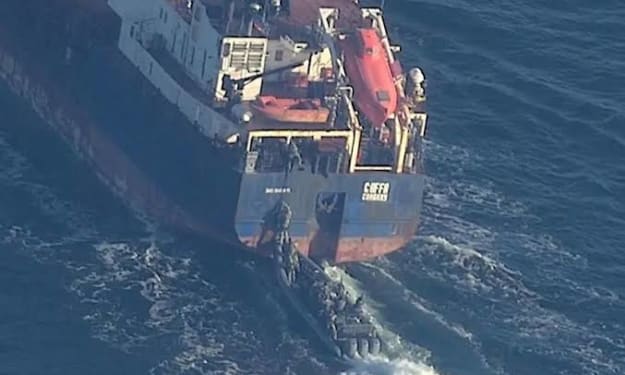
Sweden Investigates Cargo Ship Allegedly Transporting Stolen Grain with Russian Crew. AI-Generated.
Authorities probe suspected illegal shipment linked to grain seized in occupied Ukrainian territories. Swedish authorities have launched an investigation into a cargo vessel suspected of transporting stolen grain believed to have originated from Ukraine’s occupied territories. The probe follows concerns raised by Ukrainian officials and international observers that the shipment may be part of a broader network trafficking agricultural goods taken from farms and storage facilities during the ongoing conflict. According to officials in Sweden, maritime authorities began examining the vessel after it entered waters under Swedish jurisdiction. The cargo ship, reportedly operated by a crew largely composed of Russian nationals, had drawn attention due to irregular documentation and suspicions regarding the origin of its grain cargo. The case has emerged against the backdrop of longstanding accusations by Ukraine that grain harvested from its occupied regions has been transported through international shipping routes and sold on global markets. Since the beginning of the war with Russia in 2022, Kyiv has repeatedly claimed that agricultural commodities taken from Ukrainian territory are being exported abroad through complex logistical channels. Suspicion Over Cargo Origins The vessel under investigation reportedly arrived at a port in southern Sweden earlier this week. Authorities said that customs officials and maritime inspectors became suspicious when reviewing shipping records and cargo manifests, which appeared incomplete or inconsistent. While officials have not publicly disclosed the ship’s name pending the ongoing investigation, reports suggest that the grain cargo may have originated from areas of eastern or southern Ukraine currently under Russian control. Ukrainian officials argue that such shipments represent the systematic removal of resources from territories seized during the conflict. Representatives of Sweden’s customs and coast guard agencies have confirmed that samples of the grain cargo are being examined. Experts are attempting to determine the grain’s geographic origin using agricultural and trade data, a process that may help establish whether the shipment matches harvest patterns from Ukrainian regions. Diplomatic and Legal Implications The investigation highlights the increasingly complex legal issues surrounding wartime trade and maritime commerce. If the grain is proven to have been taken from occupied territories without the consent of Ukrainian authorities, it could potentially constitute the transport of stolen goods under international law. Officials from European Union institutions have also been monitoring such cases closely. The EU has imposed extensive sanctions on Russia since the invasion of Ukraine, targeting sectors ranging from energy to shipping and agriculture. Any confirmed involvement in transporting looted commodities could lead to further legal or financial penalties. For Sweden, which joined NATO in 2024, the investigation underscores the broader geopolitical tensions surrounding the war in Ukraine and the enforcement of international sanctions. Swedish authorities have emphasised that their investigation is being conducted in accordance with national law and international maritime regulations. Ukraine’s Claims of Grain Theft Ukrainian officials have long alleged that millions of tonnes of grain have been removed from occupied areas since the start of the conflict. The country, one of the world’s largest grain exporters, relies heavily on agricultural exports to support its economy and global food supply chains. Kyiv has argued that the alleged seizure of grain not only damages Ukraine’s economy but also distorts international markets by introducing agricultural products whose origins may be concealed. Ukrainian diplomats have repeatedly urged governments and shipping authorities to investigate suspicious cargo shipments arriving in international ports. In several previous cases, ships suspected of carrying Ukrainian grain were reportedly turned away from ports or subjected to inspection after documentation discrepancies were discovered. The Investigation Continues Swedish authorities have stressed that the inquiry remains in its early stages and that no formal charges have yet been filed against the ship’s crew or operators. Investigators are reviewing shipping logs, satellite tracking data, and customs paperwork to reconstruct the vessel’s journey. Maritime experts say such investigations can take weeks or months, particularly when cargo may have been transferred between ports or mixed with grain from other sources during transit. For now, the cargo ship remains under scrutiny while authorities determine whether the shipment violated international trade regulations or sanctions regimes. The outcome of Sweden’s investigation could set an important precedent for how European ports handle suspected shipments of goods taken from conflict zones. As the war continues, scrutiny over global trade routes and cargo origins is expected to intensify, with governments seeking to ensure that international markets are not used to profit from resources seized during wartime.
By Fiaz Ahmed a day ago in The Swamp
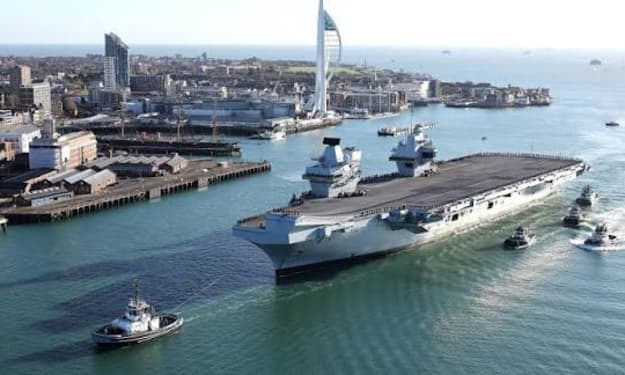
HMS Prince of Wales Placed on Five Days’ Notice to Sail in Response to Middle East Crisis. AI-Generated.
UK’s flagship carrier prepared for rapid deployment as regional tensions escalate. The United Kingdom has placed its flagship aircraft carrier, HMS Prince of Wales, on five days’ notice to sail, signalling a heightened state of readiness amid escalating tensions in the Middle East. The move reflects growing concern among Western governments that the volatile security situation in the region could require rapid military or humanitarian intervention. Officials from the Royal Navy confirmed that the carrier strike group has been ordered to prepare for potential deployment, although no final decision has been made on whether the vessel will actually be dispatched. The order means the ship and its crew must be ready to leave port within five days if instructed by the government. Strategic Readiness The aircraft carrier, one of the largest warships ever built for the UK, serves as a central pillar of Britain’s modern naval power. At more than 280 metres in length and capable of carrying dozens of aircraft, the vessel acts as a floating airbase capable of projecting military force far from British shores. The five-day readiness order allows commanders to respond quickly if the security situation deteriorates further in the Middle East. British defence planners have been monitoring the region closely as hostilities and military exchanges risk widening into a broader conflict. According to defence officials, placing a carrier on short notice is not uncommon during periods of geopolitical tension. However, the current step highlights the seriousness with which the UK government views the unfolding situation. Role of the Carrier Strike Group If deployed, Prince of Wales would likely operate as the centrepiece of a carrier strike group, a formation that typically includes escorting destroyers, frigates, submarines, and supply vessels. These ships provide protection, logistics, and additional firepower to support the carrier’s operations. The vessel is designed to operate advanced fighter aircraft such as the F‑35B Lightning II, which can conduct air defence, intelligence missions, and precision strikes. These aircraft are capable of short take-off and vertical landing, allowing them to operate from the carrier’s flight deck without the need for traditional catapult launch systems. The strike group also integrates helicopters for anti-submarine warfare, maritime patrol, and search-and-rescue missions. Government Response to Regional Tensions The UK government has emphasised that the readiness order is part of broader contingency planning rather than a confirmation of imminent military involvement. Officials from the UK Ministry of Defence stated that maintaining flexible naval capability is essential when international crises develop rapidly. The Middle East remains one of the world’s most strategically sensitive regions, with vital shipping routes, energy infrastructure, and military alliances all at stake. Any escalation could have global consequences, including disruptions to maritime trade and energy supplies. British defence analysts say aircraft carriers are particularly valuable in such circumstances because they can provide a mobile military presence without relying on land bases in the region. Signal to Allies and Adversaries Deploying—or even preparing to deploy—a carrier strike group sends a powerful strategic signal. It demonstrates the UK’s ability to project power and support allies during times of instability. Experts note that readiness measures like the current order also serve a deterrent purpose. By positioning naval forces to respond quickly, governments can signal that they are prepared to protect national interests and international security commitments. The United Kingdom, as a member of NATO, frequently coordinates such deployments with allied nations. Carrier groups may operate alongside American, European, or regional naval forces during joint operations or crisis response missions. Crew Preparedness and Operational Readiness For the ship’s crew, the five-day notice means intensified preparation. Personnel must ensure all systems—from aircraft maintenance facilities to radar and communication networks—are fully operational. Logistical teams also begin loading supplies, ammunition, and spare parts required for extended deployments at sea. Large warships like Prince of Wales can operate for months at a time, but readiness for such missions requires meticulous planning. The vessel has undergone extensive training exercises in recent years to ensure it can respond effectively to a wide range of missions, from combat operations to humanitarian assistance and disaster relief. A Flexible Tool of Modern Naval Power Whether the carrier ultimately deploys will depend on how events unfold in the Middle East. For now, defence officials emphasise that the readiness order is precautionary. Nevertheless, the decision highlights the importance of aircraft carriers as flexible instruments of modern military strategy. In an era of rapidly evolving geopolitical crises, the ability to mobilise a powerful naval force at short notice remains a key component of Britain’s defence posture. As tensions continue to unfold, the presence—or potential presence—of Prince of Wales could play a significant role in shaping the international response to the crisis.
By Fiaz Ahmed a day ago in The Swamp
Father and Daughter Killed in Gaza as War Intensifies and Civilian Toll Rises
Renewed strikes highlight the growing humanitarian crisis as the conflict spreads across the region. A father and his young daughter were killed in the Gaza Strip during a recent airstrike as the ongoing war continues to claim civilian lives. Local health officials reported that the victims were among several people killed during strikes that struck residential areas amid escalating hostilities between Israel and the militant group Hamas. The deaths occurred in a densely populated neighborhood in northern Gaza Strip, where residents said explosions hit a cluster of buildings late at night. Emergency responders rushed to the scene, pulling survivors and casualties from damaged structures while families searched through rubble for missing relatives. According to local medical authorities, the father and daughter were inside their home when the strike occurred. Both were declared dead after being transported to a nearby hospital. Several other civilians were injured in the same attack. Rising Civilian Casualties The incident reflects the mounting civilian toll in Gaza as the conflict continues. Hospitals in the enclave, already strained by shortages of medical supplies and staff, have reported a steady flow of wounded civilians in recent weeks. Health officials in Gaza say many of the victims are women and children, highlighting the severe humanitarian impact of the fighting. Residential buildings, roads, and infrastructure have sustained heavy damage as military operations and rocket fire continue across the territory. The Israeli military has stated that its operations are directed at militant targets linked to Hamas and other armed groups. Officials say strikes are aimed at weapons storage sites, command centers, and launch positions used to fire rockets into Israeli territory. However, the densely populated nature of Gaza — home to more than two million people — means that military operations often occur close to civilian homes and infrastructure, increasing the risk of casualties among residents. Wider Regional Tensions The Gaza conflict has unfolded alongside growing instability across the Middle East. Regional actors have become increasingly involved, raising fears that the fighting could expand into a broader confrontation. Analysts say the situation remains volatile as exchanges of fire continue on multiple fronts. Cross-border tensions and military activity have been reported in several areas, reflecting the complex web of alliances and rivalries that shape the region’s security landscape. The humanitarian situation in Gaza has also drawn global concern. International organizations and aid agencies have warned that civilians face severe shortages of food, water, and medical supplies as the conflict disrupts supply routes and infrastructure. International Reactions Several governments and international bodies have called for restraint and renewed diplomatic efforts to reduce violence. The United Nations has repeatedly urged all parties to protect civilians and allow humanitarian aid to reach affected communities. Aid agencies working in Gaza say that access to essential supplies remains limited in many areas. Damage to roads and infrastructure has complicated efforts to deliver assistance, while overcrowded shelters struggle to accommodate displaced families. Human rights organizations have also emphasized the need for independent investigations into civilian deaths during the conflict. They argue that accountability and adherence to international humanitarian law are essential to protecting noncombatants. A Continuing Humanitarian Crisis For families living in Gaza, the loss of loved ones has become an all too familiar reality. Survivors of the latest strike described scenes of devastation, with damaged homes and grieving relatives gathering outside hospitals. The father and daughter killed in the recent attack are among the many civilians whose lives have been lost during the war. Their deaths underscore the human cost of the conflict and the urgent need for efforts to reduce violence and protect vulnerable populations. As fighting continues and regional tensions persist, the humanitarian consequences of the war are expected to deepen. For the people of Gaza, each day of conflict brings renewed uncertainty about safety, security, and the future.
By Fiaz Ahmed a day ago in The Swamp
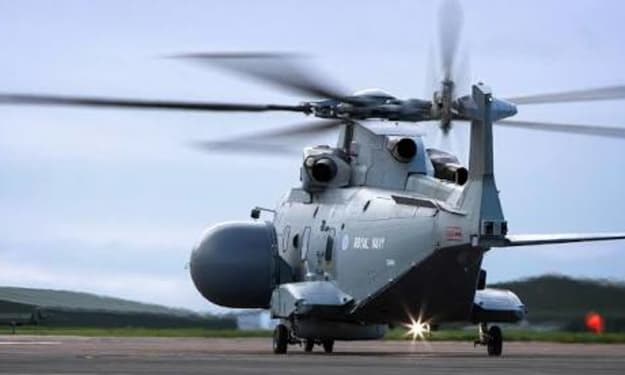
Royal Navy Crowsnest airborne surveillance helicopters deployed to Cyprus. AI-Generated.
Deployment strengthens British monitoring capability in the Eastern Mediterranean amid regional tensions. The United Kingdom has deployed a number of airborne surveillance helicopters equipped with the advanced Crowsnest radar system to Cyprus, strengthening its ability to monitor activity across the Eastern Mediterranean. The move comes as regional tensions continue to rise and the UK enhances its military readiness to support allies and protect strategic interests. The helicopters, operated by the Royal Navy, are part of Britain’s airborne early-warning capability designed to detect aircraft, ships and potential threats over long distances. Mounted on AgustaWestland Merlin HM2 helicopters, the Crowsnest system provides radar coverage that significantly extends the situational awareness of naval forces operating at sea. Strategic Deployment to Cyprus The aircraft have been deployed to the UK’s sovereign base areas in Cyprus, which serve as a critical hub for British military operations in the Middle East and Mediterranean region. From these bases, the helicopters can monitor wide swathes of airspace and maritime routes stretching across the eastern Mediterranean. Military officials say the deployment is designed to enhance intelligence gathering and early warning capabilities during a period of heightened regional uncertainty. The Eastern Mediterranean has become an increasingly important strategic area due to ongoing conflicts, shipping routes and the presence of multiple international military forces. The move also supports broader British defence efforts in the region, particularly as the UK positions naval assets to respond quickly to potential crises. What the Crowsnest System Does The Crowsnest system represents the Royal Navy’s latest generation of airborne surveillance technology. It is designed to provide airborne early warning and control, enabling naval commanders to detect and track aircraft, missiles and ships far beyond the radar horizon of surface vessels. Unlike traditional ship-based radar systems, airborne platforms can scan a much larger area because of their higher altitude. This allows the radar to identify potential threats earlier and provide commanders with more time to respond. Mounted beneath the Merlin helicopter’s fuselage, the Crowsnest radar can rotate and scan the surrounding airspace while transmitting data back to ships, command centers and allied forces. Military analysts say this capability is especially important for protecting high-value naval assets such as aircraft carriers and amphibious ships. Support for Carrier Operations The helicopters are closely linked with the operations of the HMS Prince of Wales, one of the UK’s two large aircraft carriers. Crowsnest-equipped helicopters typically operate as part of a carrier strike group, providing the airborne surveillance necessary to detect incoming threats before they reach the fleet. By deploying the helicopters to Cyprus, the Royal Navy can maintain surveillance coverage even when the carrier itself is not immediately present in the region. The move also ensures that trained crews and equipment are positioned close to potential operational areas. Defence officials have stressed that such deployments are routine components of the UK’s global military posture, though they often become more visible during periods of geopolitical tension. Importance of the Cyprus Bases The United Kingdom maintains two sovereign base areas on Cyprus — RAF Akrotiri and Dhekelia — which have long served as forward operating locations for British and allied forces. Their proximity to the Middle East allows rapid response to developments in several strategically sensitive regions. These bases have been used for surveillance missions, humanitarian operations, evacuation efforts and coalition military campaigns over the years. Aircraft operating from Cyprus can monitor maritime traffic in the Mediterranean and provide support to naval forces operating further south or east. With tensions in the Middle East continuing to fluctuate, the bases remain one of Britain’s most important overseas defence installations. Enhancing Regional Monitoring The deployment of the Crowsnest helicopters reflects the increasing importance of surveillance and early warning in modern military operations. Detecting threats early allows commanders to coordinate defensive measures, deploy intercepting aircraft, or adjust naval formations before hostile forces approach. For the Royal Navy, maintaining a robust surveillance network is essential for safeguarding both British forces and allied vessels operating in the region. Preparedness in an Uncertain Environment While British officials have not indicated that the helicopters are preparing for immediate combat operations, the deployment highlights the UK’s readiness to respond to evolving security challenges. By positioning airborne surveillance assets close to potential areas of instability, the UK ensures it can monitor developments in real time and support allied forces if required. As geopolitical tensions persist across several parts of the Middle East and Eastern Mediterranean, the presence of advanced systems like Crowsnest underscores the role of technology and preparedness in maintaining maritime security.
By Fiaz Ahmed a day ago in The Swamp
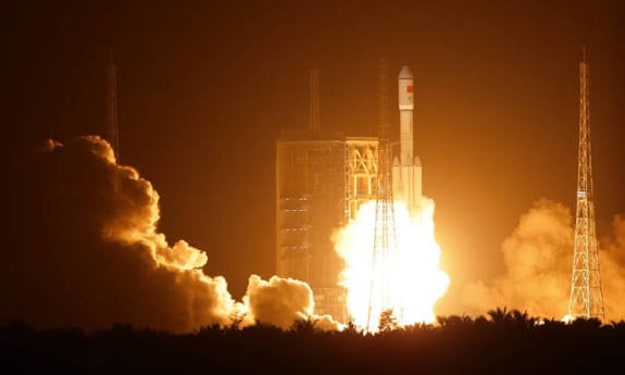
How China Is Challenging the U.S. to Become the Next Great Space Power. AI-Generated.
As Beijing’s space ambitions expand, Washington faces an intensifying geopolitical and technological rivalry in orbit and beyond. In the early decades of the 21st century, the United States long stood unchallenged as the dominant space power — a position built on decades of NASA leadership, unmatched launch capability, and a vibrant commercial space economy. But today, a determined China is mounting one of the most consequential strategic challenges in space since the Cold War, pushing to rival — and ultimately surpass — the U.S. in space influence, technology, and strategic advantage. National Strategy and Long‑Term Vision China’s leaders have openly signaled their ambition to become a global space powerhouse. Official space policy documents and state planning envision a broad array of capabilities — from heavy‑lift rockets to lunar exploration — aimed at reshaping the space order that has been U.S.‑dominated for decades. According to analyses of government planning, Beijing intends to establish a full suite of launch vehicles, satellites, and space infrastructure that could surpass current international norms by mid‑century. Underpinning this vision is a belief among Chinese space officials that self‑reliance and indigenous innovation are key to international competitiveness. Recent reports in state media emphasize that China’s aerospace industry is pushing far beyond imitation toward original technological breakthroughs in areas like rocket manufacturing, intelligent space systems, and advanced materials — all with the strategic goal of securing leadership in space. Commercial Space: From Government Giants to Private Innovators China’s rapid ascent isn’t limited to state space agencies. A growing ecosystem of private space companies — much like the commercial boom seen in the U.S. — has taken root, focusing on reusable rockets, satellite networks, and novel space services. A recent South China Morning Post report highlights Beijing’s push to encourage private innovation within its space sector, supporting technologies such as reusable launch vehicles, space debris monitoring, extraterrestrial resource utilization, and even in‑space biomanufacturing — fields long dominated by U.S. firms such as SpaceX or Blue Origin. This commercial expansion broadens China’s capabilities and compresses the technological gap with the U.S., challenging American assumptions that commercial innovation is exclusively an American forte. It also signals a shift in global space economics, where China may soon contend for commercial markets once dominated by Western companies. Military and Strategic Dimensions Alongside civil and commercial ambitions, China’s space strategy has clear military implications. U.S. strategic assessments note Beijing’s efforts to build counterspace capabilities — systems designed to deter, deny, or degrade another nation’s satellite operations — a key advantage in future conflicts. China has already deployed anti‑satellite weapons, jamming technologies, and sophisticated ground‑to‑space radar systems that could threaten U.S. space assets in a crisis. For the United States, which relies heavily on space systems for communication, navigation, and battlefield awareness, these capabilities represent a serious strategic challenge. Beijing’s ability to field space and counterspace technologies could blunt some of Washington’s military advantages in the Asia‑Pacific region and beyond. Lunar and Deep Space Objectives China’s Chang’e lunar exploration program is another marker of its space ambitions. With a series of increasingly complex robotic missions and plans for an International Lunar Research Station by the 2030s, Beijing aims to be a leading voice in lunar science and development — directly challenging the U.S. Artemis program and international partnerships spearheaded by NASA. � Wikipedia Missions like the strategically significant Queqiao‑2 communications relay satellite, which supports lunar missions over long distances, further demonstrate China’s growing sophistication in deep space operations and infrastructure deployment. U.S. Response: Maintaining Leadership Recognizing the challenge, U.S. policymakers are pushing legislative and strategic initiatives designed to preserve American competitiveness in space. A newly passed NASA authorization package includes provisions aimed at reinforcing U.S. lunar presence, strengthening Earth orbit assets, and countering Chinese influence in space science and technology — signaling a bipartisan consensus on the gravity of the space rivalry. A New Era of Cosmic Competition The emerging science and technological competition between China and the United States in space is unlike anything seen since the original Moon race. Today’s contest spans not only national prestige but military advantage, commercial opportunity, and scientific discovery. As each side pursues its vision of space dominance, the outcome will shape global power structures for decades to come — affecting diplomacy, security, and economic leadership both on Earth and beyond. If you’d like alternative versions, transcripts, or a set of headline + subtitle options for this topic, just let me know!
By Fiaz Ahmed 2 days ago in Longevity
UK Sees Highest Temperature of the Year, Snow and Blood Rain in Last 48 Hours. AI-Generated.
From warmest day so far to Saharan dust showers and hill snow — Britain’s weather has swung dramatically this week. In a remarkable turn of meteorological events, the United Kingdom has experienced an extraordinary mix of weather over the past 48 hours — recording its highest temperature of the year, followed by snowfall in parts of the north and a rare “blood rain” event linked to Saharan dust. These dramatic swings illustrate the UK’s characteristic weather variability and underline the influence of dynamic atmospheric patterns across Europe. Warmest Day of 2026 So Far On Thursday, parts of England basked in unusually mild conditions for early March, with the Met Office confirming a high of 19.2 °C in Northolt, west London — the warmest day recorded in the UK so far this year. This exceeded the previous 2026 peak of 18.7 °C at Kew Gardens earlier in the week and briefly made British temperatures warmer than those in Barcelona. Forecasters attributed the warmth to a surge of mild southerly air drawn up from southern Europe and North Africa. These warm air currents not only boosted temperatures but also transported fine dust particles from the Sahara Desert into the British atmosphere — setting the stage for the unusual rain events that followed. The Saharan Dust Effect and “Blood Rain” As the warm, dusty air crossed north over the Atlantic and Europe, it brought with it a visible cloud of Saharan dust. When this dust mixes with rain falling through the atmosphere, the resulting droplets can carry red or orange‑tinted particles — a phenomenon colloquially known as “blood rain.” While the term suggests something sinister, scientists emphasise that the event is purely natural. The colour comes from mineral dust in the rain droplets, not from any harmful substance. The dust, lifted from the Sahara Desert and carried thousands of kilometres, can settle as a reddish film on cars, windows and outdoor surfaces after rain. Weather services noted that while the dust concentration was not high enough to make the rain itself look vividly red as it fell, the residue left behind after showers was noticeable across parts of England and Wales. These dust‑enhanced skies also created striking sunsets and sunrises for many observers. Snow in the Hills: A Chill Returns Just as residents were putting away winter coats after the warm spell, colder air pushed back into the UK from the north. This led to snowfall over high ground in parts of northern England and southern Scotland, including areas of the Yorkshire Dales and near Edinburgh. The rapid shift in conditions — from near‑20 °C sunshine to wintry precipitation — highlighted the UK’s unpredictable transitional weather between seasons. Local authorities in these rural areas reported icy road conditions and some vehicles becoming stuck on snowy roads, prompting police and emergency services to advise caution over the weekend. Broader Weather Trends and Outlook Experts say these rapid temperature swings are consistent with the UK’s maritime climate and the interplay of high and low pressure systems during early spring. Meteorologists also point out that February 2026 was unusually mild and dull overall, with southern England registering average winter temperatures among its warmest on record. Despite the warm peak, forecasters predict a cooler, wetter and windier period ahead, as Atlantic weather systems return. This means more frequent showers, gusty winds and temperatures falling back toward seasonal norms in the coming week. Public Reaction and Preparations Across social media, many Britons shared photos of the vivid orange‑tinged skies and dusty windshields, marveling at the strange mix of weather phenomena experienced in such a short span of time. Others were reminded that, despite signs of spring, the UK can still deliver winter chill without warning. The Met Office continues to advise people to stay updated with local forecasts — especially if planning outdoor activities or travel in areas where sudden snow or rain might affect conditions.
By Fiaz Ahmed 2 days ago in Longevity