
The Life and Legacy of Ayatollah Ali Khamenei: Iran’s Supreme Leader Who Shaped an Era
Introduction: The End of a Powerful Era in Iran
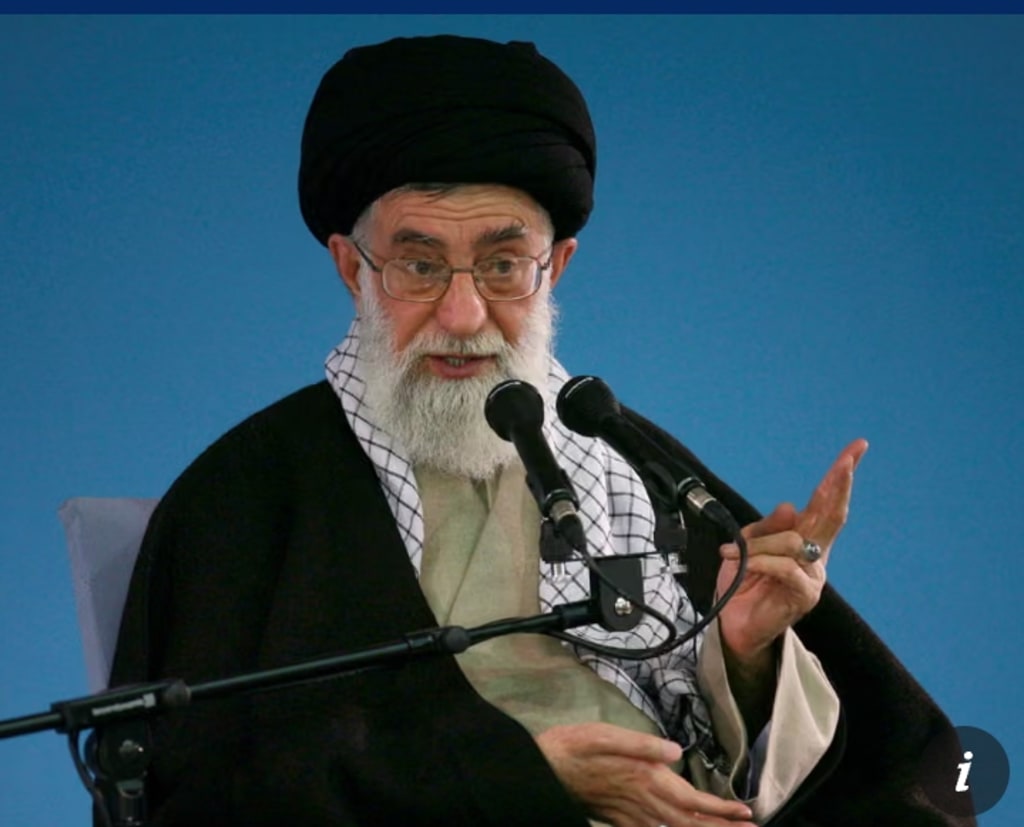
The passing of Ali Khamenei marks the end of one of the most consequential leadership eras in the modern history of Iran. For more than three decades, Khamenei stood at the center of Iranian politics as the country’s Supreme Leader, shaping domestic policies, foreign relations, and the ideological direction of the Islamic Republic.
His leadership influenced conflicts across the Middle East, negotiations with global powers, and the internal structure of Iran’s political system. To supporters, he was a guardian of the revolution and defender of Iranian sovereignty. To critics, he represented authoritarian rule and resistance to reform.
Regardless of perspective, Khamenei’s influence on global politics and Iran’s trajectory cannot be denied. His life tells the story of revolution, power, ideology, and the enduring complexities of leadership in a turbulent region.
Early Life of Ali Khamenei
Ali Khamenei was born on April 19, 1939, in the city of Mashhad, one of Iran’s most important religious centers. Coming from a modest clerical family, he was introduced early to religious studies and the traditions of Shiite scholarship.
His father was a respected cleric who emphasized discipline and education. These early influences shaped Khamenei’s worldview and instilled a deep commitment to Islamic teachings.
Growing up during the reign of Mohammad Reza Shah Pahlavi, Khamenei witnessed political repression and social tensions that would later fuel revolutionary movements across Iran.
Religious Education and Rise in the Clerical World
Khamenei pursued advanced religious studies in the seminaries of Qom, Iran’s most important center of Islamic scholarship. There he studied under prominent clerics who shaped his theological and political views.
During this time, Khamenei developed a strong opposition to the monarchy and became involved in underground networks that criticized the Shah’s government.
His speeches and writings began attracting attention, especially among young clerics and students who were seeking a more politically engaged form of Islam.
The Influence of Ruhollah Khomeini
Khamenei’s political identity was deeply influenced by Ruhollah Khomeini, the revolutionary cleric who would later become the founder of the Islamic Republic.
Khomeini’s teachings combined religious authority with political activism, arguing that Islamic scholars should guide the state. Khamenei became one of his loyal supporters and helped spread Khomeini’s revolutionary ideas across Iran.
When Khomeini was exiled by the Shah’s government, Khamenei continued promoting his message, often facing arrest and surveillance by state authorities.
Role in the Iranian Revolution
The Iranian Revolution of 1979 transformed Iran and elevated Khamenei into the national spotlight.
The revolution overthrew the monarchy and established the Islamic Republic under the leadership of Khomeini. Khamenei quickly rose through the ranks of the new political system.
He held several influential roles, including positions within the Revolutionary Council and later as a member of parliament.
His reputation as a revolutionary cleric and loyal supporter of Khomeini made him one of the most trusted figures in the emerging government.
Presidency During a Time of War
In 1981, Khamenei became the President of Iran. His presidency occurred during one of the most difficult periods in the country’s modern history: the Iran-Iraq War.
The war devastated Iran’s economy and infrastructure while costing hundreds of thousands of lives.
As president, Khamenei focused on maintaining national unity and supporting the war effort. Although the presidency held limited power compared to the Supreme Leader, the role helped solidify his political stature.
Surviving an Assassination Attempt
Earlier in 1981, Khamenei survived a dramatic assassination attempt during a speech in Tehran.
A bomb hidden in a tape recorder exploded, severely injuring him and leaving his right arm permanently damaged. The incident turned him into a symbol of revolutionary resilience.
For supporters, his survival reinforced the idea that he was destined for a greater role in the Islamic Republic.
Becoming Supreme Leader in 1989
When Ruhollah Khomeini died in 1989, Iran faced a critical leadership transition.
After intense debate among political and religious elites, Khamenei was selected as the new Supreme Leader. The decision surprised some observers, as he did not initially possess the highest clerical rank traditionally associated with the position.
However, his loyalty to the revolution and deep connections within the political system made him a compromise candidate capable of unifying competing factions.
Consolidating Power in Iran
As Supreme Leader, Khamenei held ultimate authority over Iran’s military, judiciary, and major political institutions.
He gradually consolidated power while balancing rival political factions. Over time, his influence expanded across nearly every aspect of Iranian governance.
The Supreme Leader’s office became the central authority shaping Iran’s strategic decisions and ideological direction.
Relationship With the Islamic Revolutionary Guard Corps
One of the most significant aspects of Khamenei’s rule was his close relationship with the Islamic Revolutionary Guard Corps.
The IRGC evolved into one of Iran’s most powerful institutions, playing key roles in military operations, intelligence, and economic sectors.
Under Khamenei’s leadership, the organization became a cornerstone of the Islamic Republic’s security structure.
Iran’s Nuclear Program and Global Tensions
Khamenei’s leadership coincided with rising international concern over Iran’s nuclear ambitions.
Western governments, particularly the United States, accused Iran of seeking nuclear weapons. Iranian leaders insisted that their nuclear program was for peaceful energy purposes.
These tensions led to sanctions, diplomatic negotiations, and occasional military threats.
Khamenei consistently defended Iran’s right to pursue nuclear technology while rejecting foreign pressure.
Regional Influence Across the Middle East
During Khamenei’s tenure, Iran expanded its influence across the Middle East.
Iran developed alliances with regional groups and governments, positioning itself as a key player in conflicts involving Syria, Lebanon, and Iraq.
Supporters viewed this strategy as necessary for national security. Critics argued it intensified regional instability.
Domestic Protests and Internal Challenges
Khamenei’s rule also faced waves of domestic unrest.
Protests erupted periodically in response to economic difficulties, political restrictions, and social grievances.
The government often responded with security crackdowns, arguing that unrest was fueled by foreign interference.
These events highlighted ongoing tensions between the state and segments of Iranian society seeking reform.
Criticism and Controversy
Khamenei’s leadership generated strong criticism from international human rights organizations and political opponents.
Critics accused the government of restricting freedom of expression, limiting political competition, and suppressing dissent.
Supporters countered that Iran’s political system reflected its revolutionary values and resisted external pressure.
The debate over Khamenei’s legacy remains deeply polarized.
Global Reactions to His Death
News of Khamenei’s death triggered reactions across the world.
Leaders in allied nations praised his role in shaping Iran’s regional strategy, while Western governments highlighted the challenges his policies posed to international diplomacy.
In Iran, the government declared a period of national mourning, and millions reflected on the life of the country’s longest-serving Supreme Leader.
What His Death Means for Iran’s Future
Khamenei’s passing raises critical questions about Iran’s future leadership.
The process of selecting a new Supreme Leader involves powerful religious and political institutions. The transition will shape the direction of Iran’s domestic policies and foreign relations.
Observers expect intense debate among political factions over the country’s next chapter.
The Lasting Legacy of Ali Khamenei
The legacy of Ali Khamenei will likely remain a subject of debate for decades.
To supporters, he preserved the ideological foundations of the Islamic Republic and defended Iran’s independence against foreign pressure.
To critics, his leadership symbolized political rigidity and missed opportunities for reform.
Yet few figures have shaped Iran’s modern history as profoundly as he did. His life reflects the complexities of revolution, governance, and power in one of the world’s most strategically important nations.
About the Creator
Keep reading
More stories from Zahid Hussain and writers in The Swamp and other communities.
Minister Josh Simons Resigns After Labour Together Claims: A Political Shockwave in British Politics
British politics has once again been thrown into turbulence following the sudden resignation of Minister Josh Simons. The announcement came after controversy surrounding claims linked to Labour Together, a prominent think tank associated with the Labour Party. The development has ignited debate across political circles, raising questions about transparency, influence, and the relationship between political organizations and government officials. Simons’ departure marks another moment of intense scrutiny for modern politics in the United Kingdom. As details continue to emerge, the story highlights the fragile balance between political power, public trust, and accountability. This article explores the background of Josh Simons, the claims that led to his resignation, the response from political leaders, and what this event may mean for the future of the Labour Party and British politics more broadly. Who Is Josh Simons? Josh Simons has been considered one of the rising intellectual voices within Labour politics. Known for his policy expertise and strategic thinking, Simons built a reputation as a policy adviser before entering government. His career has been closely tied to progressive policy development, economic reform ideas, and modernizing the Labour Party’s political message. Before his ministerial role, Simons was involved in policy think tanks and advisory circles that helped shape Labour’s political platform. Many observers believed he represented a new generation of Labour leadership—one focused on practical policy solutions rather than traditional ideological battles. Because of this reputation, his resignation has surprised many political analysts. Understanding Labour Together At the center of the controversy is Labour Together, a think tank that has played an important role in shaping the modern direction of Labour Party policy. Labour Together has been known for providing research, political strategy, and policy proposals designed to help Labour remain competitive in national elections. The organization has worked with a range of Labour politicians and advisers, often serving as a hub for policy discussions. However, the relationship between think tanks and political office holders has long been controversial. Critics argue that such organizations can create blurred lines between independent policy work and political influence. Supporters, on the other hand, say think tanks are essential to developing effective policy ideas and ensuring governments have access to expert analysis. The claims involving Labour Together have therefore raised questions about where those boundaries should lie. The Claims That Sparked the Crisis Reports suggest that allegations connected to Labour Together created a conflict that placed Simons under significant political pressure. While the exact details remain under investigation, the controversy reportedly centers on concerns regarding transparency, political connections, and potential conflicts of interest. Opposition figures and political commentators began asking whether Simons’ relationship with Labour Together could raise ethical concerns for someone holding a government position. Although no criminal wrongdoing has been alleged, the situation quickly became politically sensitive. In modern politics, perception can often be as damaging as proven misconduct. As scrutiny intensified, calls grew for clarification and accountability. Political Pressure Mounts As media coverage expanded, pressure began to build from multiple directions. Opposition parties demanded explanations about the relationship between Labour officials and policy organizations. Questions were also raised in political discussions and public commentary about whether stronger ethical guidelines were needed. Political analysts noted that such controversies can escalate rapidly in the digital age. Social media discussions amplified the story, bringing national attention to an issue that might once have remained confined to policy circles. Within Westminster, discussions reportedly took place about how the situation might affect the credibility of the government. Ultimately, Simons chose to step down from his ministerial role. The Decision to Resign Resignations in politics often follow a familiar pattern: mounting scrutiny, intense media attention, and growing pressure from both supporters and critics. In this case, Simons’ resignation appears to have been aimed at preventing the controversy from distracting the government’s broader policy agenda. Political leaders sometimes step down not because wrongdoing has been proven, but because ongoing controversy risks undermining public confidence. By resigning, Simons may have hoped to allow investigations or discussions about the matter to proceed without his position becoming a constant political battleground. Reactions From the Labour Party The Labour Party’s leadership responded quickly to the resignation. Party officials emphasized the importance of maintaining public trust and transparency in government. Statements suggested that the resignation should allow attention to remain focused on the government’s policy priorities rather than internal controversy. Supporters of Simons have argued that his policy contributions should not be overshadowed by political disputes. Others within the party have acknowledged that public confidence requires strict ethical standards and clear boundaries between political roles and external organizations. The balance between loyalty to colleagues and accountability to voters remains a constant challenge for political parties. Opposition Criticism Opposition parties have used the controversy to question Labour’s leadership and political judgment. Critics argue that the episode raises broader questions about transparency and the influence of policy organizations within government decision-making. Opposition leaders have called for clearer rules governing relationships between think tanks, advisers, and political officials. In parliamentary debates and media interviews, critics have suggested that stronger oversight mechanisms may be needed to prevent similar controversies in the future. Such debates reflect an ongoing concern in many democracies: how to ensure political decision-making remains transparent and accountable. Public Reaction and Media Coverage Public reaction to the resignation has been mixed. Some commentators view the situation as another example of modern politics becoming increasingly sensitive to ethical concerns. Others see it as evidence that political figures are being held to higher standards of accountability. Media coverage has focused not only on Simons’ resignation but also on the broader issue of how think tanks interact with political power. In the age of 24-hour news cycles and social media, political controversies can escalate quickly, shaping public perceptions before all facts are fully known. The Simons case illustrates how rapidly political narratives can evolve. The Role of Think Tanks in Modern Politics The controversy has also reignited debate about the role of think tanks in democratic systems. Think tanks often serve as important sources of policy research and analysis. They help governments explore new ideas, evaluate complex problems, and design long-term strategies. However, critics warn that close connections between think tanks and political figures can create the appearance of insider influence. Many democracies have introduced rules requiring greater transparency around funding, affiliations, and advisory roles. The Simons controversy may lead to renewed calls for similar measures in the United Kingdom. Implications for the Labour Government For the Labour government, the resignation comes at a politically sensitive time. Governments depend heavily on public confidence and stable leadership teams. Even minor controversies can disrupt policy momentum and shift attention away from legislative priorities. Labour leaders will likely focus on reinforcing ethical guidelines and demonstrating that transparency remains a priority. Maintaining political stability while addressing public concerns will be an important test for the party. The Future of Josh Simons Despite his resignation, many observers believe Simons’ political career may not necessarily be over. Political history includes many examples of figures who stepped down during controversy but later returned to public life. Simons’ policy expertise and reputation among some Labour supporters could allow him to continue contributing to political debate, even outside formal government roles. Whether he eventually returns to frontline politics may depend on how the controversy is ultimately viewed by the public and political leaders. A Broader Lesson About Political Accountability The resignation highlights a broader theme in modern politics: the increasing demand for accountability. Voters today expect greater transparency from political leaders than ever before. Ethical standards, financial disclosures, and clear boundaries between public roles and private organizations are becoming central to political credibility. Even situations that involve no legal wrongdoing can create significant political consequences if public trust is questioned. This evolving expectation is reshaping how governments operate. Conclusion: A Political Moment With Lasting Impact The resignation of Minister Josh Simons following claims connected to Labour Together represents more than just a personal political setback. It reflects the ongoing challenges faced by modern governments in maintaining transparency, credibility, and public trust. While the full impact of the controversy remains uncertain, the episode serves as a reminder that political accountability extends beyond legal definitions of wrongdoing. In democratic societies, perception, ethics, and public confidence play equally powerful roles. For the Labour Party, the priority now will be restoring focus on policy and governance. For observers of British politics, the situation offers another example of how quickly political fortunes can shift in an era defined by intense scrutiny and constant public attention.
By Zahid Hussain3 days ago in The Swamp
The Saddest Thing - The Billionaires Who Rule America Aren't Even Enjoying Themselves
This single post says more about our ruling class than a thousand policy papers. The saddest thing about today's system is that the men robbing the rest of us - sabotaging our economic prospects, our pensions, our access to affordable healthcare - are not even happy.
By Scott Christenson🌴25 days ago in The Swamp
Trump Makes Iran Missile, Protest Deaths Claims; Tehran Slams ‘Big Lies’
In a contentious moment during his State of the Union address, Donald Trump issued a series of forceful accusations against Iran, asserting that Tehran is pursuing long-range missiles and bears responsibility for thousands of protest deaths — claims Tehran has vehemently rejected as “big lies” amid rising tensions and ongoing diplomatic talks. Trump’s remarks, delivered to a joint session of the U.S. Congress, underscored his administration’s hardline stance toward Iran while warning of continued military readiness if diplomacy does not yield substantial concessions from Tehran. In his record-length speech, Trump said the United States will “never allow” Iran to acquire nuclear weapons and reiterated warnings that Tehran’s leaders are pursuing what he described as “sinister ambitions” in both nuclear and missile capabilities. Accusations of Nuclear and Missile Ambitions At the heart of Trump’s address were allegations that Iran was working to rebuild its nuclear programme and develop ballistic missiles capable of threatening U.S. territory. Trump claimed that after U.S. and Israeli strikes on Iranian nuclear sites in 2025, Tehran continued efforts to resurrect its weapons infrastructure, including developing missiles that could reach the United States and Europe. “We wiped it out and they want to start all over again,” Trump said, describing Iran’s actions as evidence of hostile intent. He also accused Tehran of threatening U.S. allies and interests overseas with long-range missile technology, though independent assessments note that Iran still lacks an operational intercontinental ballistic missile capability and would require years to develop one. Protest Death Toll: Disputed Figures Trump also addressed Iran’s internal unrest, claiming that Iranian authorities were responsible for the deaths of up to 32,000 protesters during antigovernment demonstrations that erupted late last year. Human rights groups and regional observers describe the unrest as one of Iran’s most significant protest movements in years, but figures on fatalities vary widely and are difficult to verify independently. Iran’s own government reported around 3,117 deaths, attributing the violence to “terrorist acts” amid a broader security crackdown, while some human rights organizations report several thousand confirmed fatalities. Trump’s figure far exceeds both the official Iranian count and independent estimates, making it a conspicuous element of his speech. Tehran’s Sharp Rebuttal Iran responded swiftly to Trump’s claims, with the Ministry of Foreign Affairs of Iran dismissing the allegations about missiles, nuclear ambitions, and protest deaths as outright fabrications. Spokesman Esmaeil Baghaei called the accusations “a repetition of ‘big lies’” in a post on the social media platform X, accusing the United States and its allies of disseminating misinformation to justify pressure on Tehran. “Iran has repeatedly denied that it is seeking nuclear weapons or developing missiles aimed at the United States,” Baghaei said, arguing that the claims are part of a broader disinformation campaign. He derided the repeated assertions as propaganda, invoking the idea that repeated falsehoods can create an “illusion of truth.” Diplomacy Amid Escalation Trump’s remarks came just ahead of the third round of indirect nuclear negotiations scheduled to take place in Geneva, mediated by Oman and attended by U.S. envoys and Iranian officials. Despite the heightened rhetoric, U.S. and Iranian delegations have agreed to return to the table, suggesting that diplomacy remains a parallel track even as both sides issue public warnings. The United States has also deployed significant military assets to the Middle East, including carrier strike groups and additional forces intended to signal readiness should diplomatic talks falter. Iranian officials have responded that they seek a deal grounded in mutual respect but warn that any military strike would be met with decisive defensive action. Political Reaction in Washington Trump’s declarations elicited bipartisan reactions in Washington. Supporters applauded his strong posture toward Tehran, arguing that deterrence requires assertive rhetoric and credible threat of force. Critics, including some Democratic lawmakers, questioned the accuracy of the claims presented and urged greater reliance on verifiable intelligence and sustained diplomatic engagement. Regional and Global Impact The exchange between Washington and Tehran has reverberated across the Middle East and beyond, contributing to geopolitical uncertainty and influencing energy markets and regional alliances. Allies and rivals alike are watching closely, with some nations warning their citizens about travel to Iran amid the tensions. As negotiations proceed and allegations continue to fly, the episode highlights both the deep mistrust between the United States and Iran and the complex interplay between military posture and diplomatic efforts. Whether Trump’s rhetoric serves to strengthen negotiating leverage or further entrenches divisions remains a central question in one of the most consequential foreign policy challenges facing both capitals.
By Fiaz Ahmed 6 days ago in The Swamp



Comments
There are no comments for this story
Be the first to respond and start the conversation.