
First Oil Tanker Attacked in the Strait of Hormuz, According to Oman
Rising Tensions in the Gulf Threaten Global Oil Supplies and Maritime Security
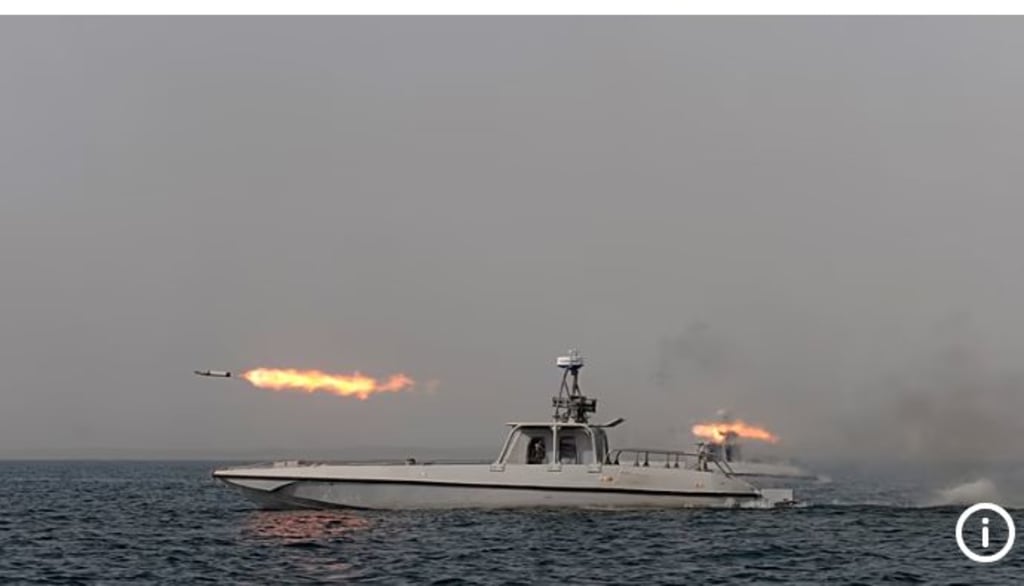
Oman’s Maritime Security Centre confirmed that an oil tanker was attacked in the Strait of Hormuz, marking what authorities describe as the first petroleum vessel struck directly within this vital global shipping corridor. The development signals a serious escalation in regional tensions and raises urgent questions about global energy security.
The attack reportedly occurred near Khasab Port in Oman’s Musandam Peninsula, a narrow stretch of coastline overlooking the strategic strait. According to officials, the Palau-flagged oil tanker Skylight was targeted, injuring four crew members. Fortunately, all 20 sailors aboard were safely evacuated.
While investigations are ongoing, the message sent by this incident is loud and clear: the Strait of Hormuz — the artery through which a fifth of the world’s oil flows — is no longer immune from direct confrontation.
Why the Strait of Hormuz Matters So Much
To understand the gravity of this attack, one must understand the importance of the waterway itself.
The Strait of Hormuz connects the Persian Gulf with the Gulf of Oman and the Arabian Sea. It is one of the most critical maritime chokepoints in the world. Roughly 20 percent of global oil consumption passes through this narrow corridor daily. Liquefied natural gas shipments from Qatar also rely heavily on this route.
Even minor disruptions here can send shockwaves through global markets.
The strait is bordered by Iran to the north and Oman to the south. Because of its narrow width — just about 21 miles at its narrowest point — ships must pass through designated lanes, making them especially vulnerable during times of conflict.
For decades, geopolitical tensions have simmered in these waters. But a confirmed attack on a commercial oil tanker inside the strait represents a significant turning point.
The Incident: What We Know So Far
Omani authorities reported that the tanker was struck approximately five nautical miles off the coast near Khasab. Early reports suggest the vessel sustained damage, though it did not sink. Emergency teams responded quickly, evacuating the crew and transporting injured sailors for medical treatment.
The crew consisted of 15 Indian nationals and five Iranian nationals, reflecting the multinational workforce that powers global shipping operations.
No group immediately claimed responsibility. However, the attack follows weeks of escalating military tension between the United States, Israel, and Iran. Analysts believe the incident may be linked to broader retaliatory actions unfolding across the region.
Iran’s Islamic Revolutionary Guard Corps (IRGC) had recently warned international shipping about transiting the strait, signaling that the waterway could become a pressure point in the ongoing conflict.
If confirmed as deliberate, this attack represents a dramatic expansion of hostilities into commercial maritime territory.
Energy Markets on Edge
The implications extend far beyond the damaged vessel.
Global oil markets react swiftly to instability in the Strait of Hormuz. Traders fear supply disruptions more than almost any other geopolitical risk. Even rumors of potential blockades have historically triggered price spikes.
Following the news, energy analysts warned that prolonged instability could drive oil prices sharply higher — potentially toward the $100-per-barrel mark if shipping becomes significantly constrained.
Insurance premiums for tankers traveling through the Gulf have already begun rising. Some shipping companies are reportedly reconsidering routes, delaying departures, or seeking naval escorts.
If vessels begin avoiding the strait entirely, alternative routes would dramatically increase transportation time and cost. That, in turn, would feed into global fuel prices, affecting everything from gasoline at the pump to airline tickets and consumer goods.
Oman’s Delicate Position
Oman has traditionally served as a diplomatic bridge between Iran and Western nations. Muscat has hosted quiet negotiations in the past and maintained relatively balanced relations with competing powers in the region.
This attack places Oman in an uncomfortable position.
Though the strike occurred near its waters, Oman has been careful in its public statements, focusing on maritime safety rather than political blame. Its priority appears to be stabilizing the situation and preventing further escalation.
However, if attacks continue near Omani territory, the Sultanate may face growing pressure to align more clearly with international security efforts in the Gulf.
A New Phase of Maritime Conflict?
The attack raises an unsettling possibility: that commercial shipping lanes are becoming active battlefields.
Historically, conflicts in the Gulf have occasionally targeted energy infrastructure. The 1980s “Tanker War” during the Iran-Iraq conflict saw numerous ships attacked. But in recent years, despite heightened rhetoric, large-scale direct assaults on tankers in the Strait of Hormuz itself have been rare.
If this incident signals a pattern rather than an isolated event, it could usher in a new era of maritime insecurity.
Naval patrols from global powers may increase. Calls for international coalitions to protect shipping could intensify. At the same time, any heavy military presence risks further provoking regional actors.
The situation is delicate and volatile.
What Happens Next?
The coming days will be crucial.
If diplomatic channels reopen and tensions cool, markets may stabilize and shipping traffic could resume normally. But if retaliation follows — or if more vessels are targeted — the Strait of Hormuz could become a flashpoint with global consequences.
Energy-importing nations in Europe and Asia are watching developments closely. So are financial markets. The world economy remains sensitive to energy shocks, especially amid already strained global supply chains.
For now, the attack on the tanker Skylight stands as a stark warning. A narrow waterway thousands of miles away from many consumers holds enormous power over global stability.
When oil flows smoothly through the Strait of Hormuz, the world barely notices.
When it doesn’t, everyone feels it.
If you'd like, I can also provide:
A stronger SEO-optimized version
A more dramatic opinion-style blog
A neutral newsroom-style rewrite
Or a shorter 600-word version
Just tell me which tone you prefer.
About the Creator
The Saddest Thing - The Billionaires Who Rule America Aren't Even Enjoying Themselves
This single post says more about our ruling class than a thousand policy papers. The saddest thing about today's system is that the men robbing the rest of us - sabotaging our economic prospects, our pensions, our access to affordable healthcare - are not even happy.
By Scott Christenson🌴25 days ago in The Swamp
Rupee Ends Week Strongly Against Majority of Popular Currencies
After a week marked by cautious optimism and renewed confidence in Pakistan’s financial outlook, the Pakistani rupee has ended the trading week on a strong note against a majority of popular international currencies. This performance comes as a welcome development for investors, importers, and consumers who have long faced the pressures of inflation and currency volatility.
By Sajida Sikandar3 days ago in The Swamp
When the Shelter Closes
Across the street from my house, a man slept under a tree, his dog by his side. My first, naive thought: he must be traveling through. But he kept coming back, often sleeping there during the day. Then it hit me—that person might not have a home.
By Bride of Sound6 days ago in Humans




Comments
There are no comments for this story
Be the first to respond and start the conversation.