
Al Jazeera Investigation Suggests Iran Girls’ School Attack May Have Been Deliberate
The deadliest single strike in the ongoing conflict reportedly killed 165 schoolgirls and staff, prompting questions about intent and accountability

Introduction
An Al Jazeera investigation into a recent attack on a girls’ school in Iran has raised serious questions about the nature of the strike. According to reports, the attack killed 165 schoolgirls and staff members, making it the deadliest single incident in the ongoing conflict involving Iran.
The investigation examines whether the strike was accidental or a deliberate targeting of civilians. This development has renewed international concern over civilian safety and compliance with international humanitarian law in areas of armed conflict.
This article summarizes Al Jazeera’s findings, the context of the attack, and the broader implications for international response and accountability.
The Incident: Facts Reported
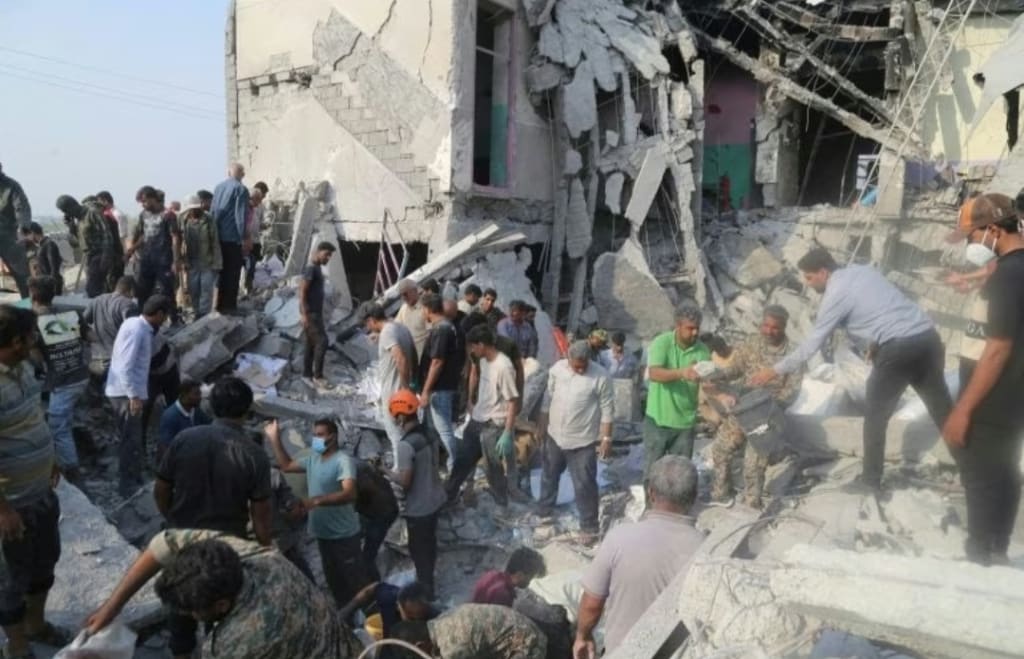
According to official sources and witness accounts, the attack occurred during school hours. Explosions were reported on the campus, leading to immediate chaos as staff attempted to evacuate students. Emergency responders arrived quickly, but the number of casualties remained high due to the scale of the destruction.
Authorities confirmed that 165 individuals, primarily young female students and teaching staff, were killed in the attack. Hospitals in nearby regions treated survivors and those injured, highlighting the strain on local medical services.
Satellite imagery and on-the-ground reports have been used by media investigators to corroborate the damage and casualties. Al Jazeera emphasized that multiple independent sources confirmed both the location and severity of the attack.
Al Jazeera Investigation: Key Findings
The investigative team employed a combination of satellite imagery, interviews with survivors, and analysis of blast patterns. Their preliminary conclusion suggests that the strike may have been deliberate rather than accidental.
Analysts noted that the type of weapon used and the timing of the strike coincided with school hours, raising questions about intent. Experts cited in the report argued that targeting a densely populated civilian area during operational hours indicates knowledge of potential casualties.
Al Jazeera also examined prior incidents in the region, noting a pattern of attacks on civilian infrastructure. While investigators are careful not to assign definitive blame, the findings suggest that this incident warrants further international scrutiny.
Eyewitness Accounts
Survivors described scenes of confusion and panic as the school was hit. Many reported that there were no military installations nearby, reinforcing the argument that the strike affected civilians directly.
Teachers reportedly attempted to guide students to safety, with some making repeated trips back into the building to rescue trapped children. Witnesses described emergency response as hampered by damaged infrastructure and communication difficulties.
These accounts form a critical part of the investigation, providing context that satellite imagery alone cannot convey. Eyewitness testimony also gives weight to claims that the attack may not have been incidental.
International Law and Accountability
Attacks on civilian populations are strictly regulated under international humanitarian law, including the Geneva Conventions. The apparent targeting of a school raises serious legal questions, as such strikes could constitute war crimes.
Investigators and human rights organizations have called for a thorough, impartial inquiry to determine responsibility. The UN and other monitoring bodies often rely on a combination of satellite data, local reports, and forensic analysis to establish accountability.
Al Jazeera’s investigation emphasizes that holding perpetrators responsible is essential for upholding international norms and deterring future attacks on civilian populations.
Regional Context
The attack occurred amid ongoing regional tensions and military operations involving Iran. Conflict in the area has escalated in recent months, with multiple incidents reported in urban and rural zones.
Schools and hospitals have previously been affected in conflict zones, making this incident one of the deadliest to date. Analysts note that civilian institutions are particularly vulnerable during periods of armed escalation.
The investigation situates the attack within a broader pattern of threats to noncombatants, highlighting the importance of monitoring adherence to international law.
Humanitarian Response
Local authorities and international aid organizations responded quickly to assist survivors. Hospitals and emergency personnel faced significant pressure due to the number of casualties.
Psychological support services were mobilized to help survivors cope with trauma, particularly young students who witnessed the attack. Aid groups emphasized that long-term support would be necessary, as the impact on the community is profound.
The attack has drawn attention to the need for robust protection measures for schools in conflict zones, as well as rapid deployment of emergency response resources.
Media Coverage and Public Reaction
Al Jazeera’s investigation has prompted global media coverage, with outlets reporting on the scale and potential intent of the strike. Public reactions have included calls for justice and protection of civilians in conflict zones.
Social media has amplified both eyewitness accounts and reporting, allowing the international community to follow developments in near real time. The dissemination of information highlights both the power and responsibility of media in reporting conflict accurately.
International organizations have emphasized the need for verified reporting to guide humanitarian aid and policy decisions.
Questions Raised by the Investigation
Key questions remain in the wake of the Al Jazeera investigation:
1. Was the attack intentionally directed at civilians, or the result of misidentification?
2. Which parties were responsible, and what mechanisms exist to hold them accountable?
3. How can international bodies ensure protection for schools and other civilian institutions in conflict zones?
Addressing these questions is critical for determining legal responsibility and preventing further harm to noncombatants.
Broader Implications
The attack on the girls’ school is a stark reminder of the risks civilians face in conflict zones. Schools, hospitals, and other civilian infrastructure often become indirect targets, whether through intentional strikes or collateral damage.
The incident underscores the importance of:
International monitoring of conflict zones
Strengthening compliance with humanitarian law
Ensuring rapid response and aid for affected communities
Such measures are critical for minimizing civilian casualties and maintaining accountability during armed conflicts.
Calls for International Investigation
Human rights organizations and advocacy groups have urged the UN and other international bodies to conduct an independent investigation.
Al Jazeera’s findings support these calls by presenting evidence that suggests deliberate targeting, including the timing, location, and type of munitions used.
International investigations can involve forensic analysis, interviews with survivors, and coordination with local authorities to establish a factual record of events. Such work is necessary to support justice and deter future attacks.
Impact on the Community
The attack has had a profound effect on the local community. Families, educators, and students are coping with loss and trauma. Schools in the surrounding area have implemented additional safety measures, while mental health services are being expanded.
Community leaders have called for recognition of the victims and accountability for those responsible. The incident has also highlighted the broader humanitarian needs of children in conflict zones.
Long-term recovery will require both psychological and material support, including rebuilding infrastructure and ensuring continued access to education.
Conclusion
Al Jazeera’s investigation into the deadly attack on a girls’ school in Iran raises serious concerns about civilian safety during armed conflict. With 165 victims confirmed, the strike represents one of the deadliest single incidents in the region’s ongoing hostilities.
While definitive conclusions about intent are pending further investigation, the evidence presented—including satellite imagery, eyewitness accounts, and analysis of timing—suggests the attack may have been deliberate.
The incident underscores the need for international attention, legal accountability, and protection measures for schools and other civilian institutions. Ensuring accurate reporting and a thorough investigation is critical for supporting justice, safeguarding noncombatants, and preventing future tragedies.
As the global community responds, the focus remains on both the victims and the broader implications for civilian protection in conflict zones.
About the Creator
Saad
I’m Saad. I’m a passionate writer who loves exploring trending news topics, sharing insights, and keeping readers updated on what’s happening around the world.
A Gathering of Evil Bosses
“I’m the queen of chin jutting while I smooth my hair, attacking, insulting, and deflecting to protect my appointer.” “Oh, please, Blondi, my hair is curled, highlighted, and longer than yours. I feature television commercials telling immigrants that we will give them a free plane ride home, and if they voluntarily turn themselves in, they will be allowed to legally apply for re-entry. It runs everywhere, and I look good in it! You can’t compete because of your blond hair. Mine is nicer, and my lips are prettier than yours.”
By Andrea Corwin 13 days ago in The Swamp



Comments
There are no comments for this story
Be the first to respond and start the conversation.