
Which Country Is More Powerful Today—America or Russia?
In War

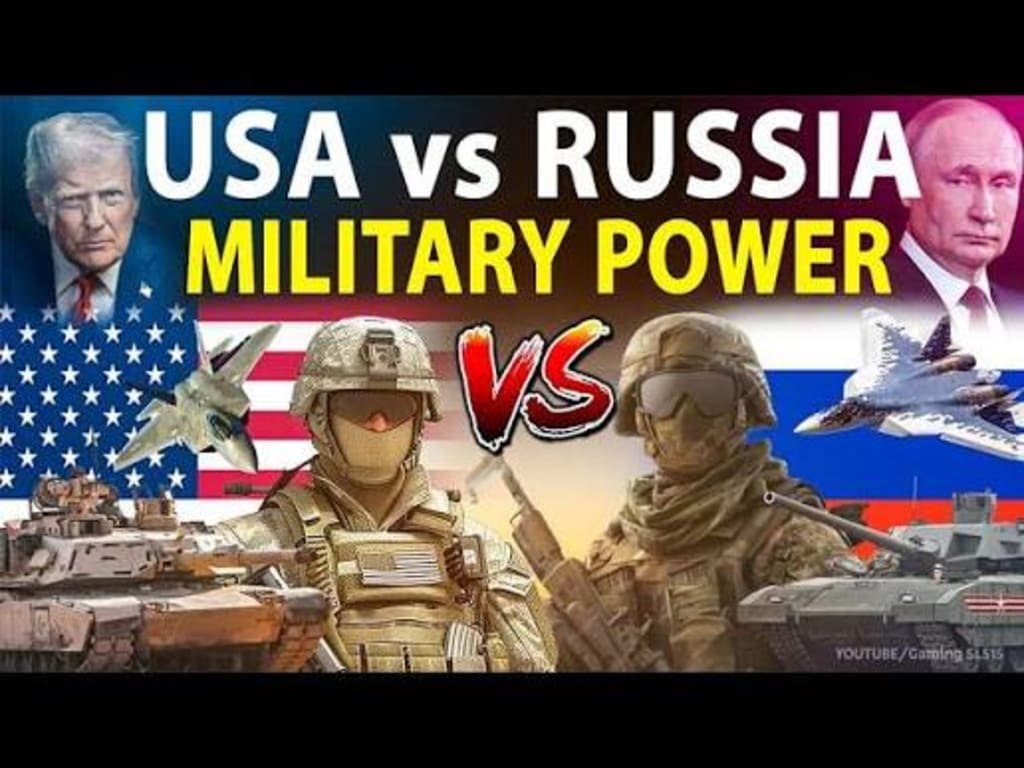
The question of whether the United States or Russia is more powerful today depends on how “power” is defined. Military strength is not measured only by weapons or troop numbers; it also includes technology, global reach, economic capacity, alliances, and strategic influence. When these factors are examined together, a clearer comparison emerges.
One of the most important indicators of national power is military capability. The United States maintains the world’s most technologically advanced armed forces. It leads in air power, naval strength, and global deployment capability. American aircraft carriers operate across multiple oceans, allowing rapid response anywhere in the world. Advanced surveillance systems, precision-guided weapons, and cyber capabilities give the U.S. a strong advantage in modern warfare.
Russia, however, remains one of the world’s most formidable military powers. It possesses a large standing army and extensive missile systems. Historically, Russia has focused heavily on land-based military strength, including armored forces and artillery. Its military strategy emphasizes defense of territory and regional influence rather than global projection. While Russia may not match the United States in global reach, it remains extremely powerful within its strategic sphere.
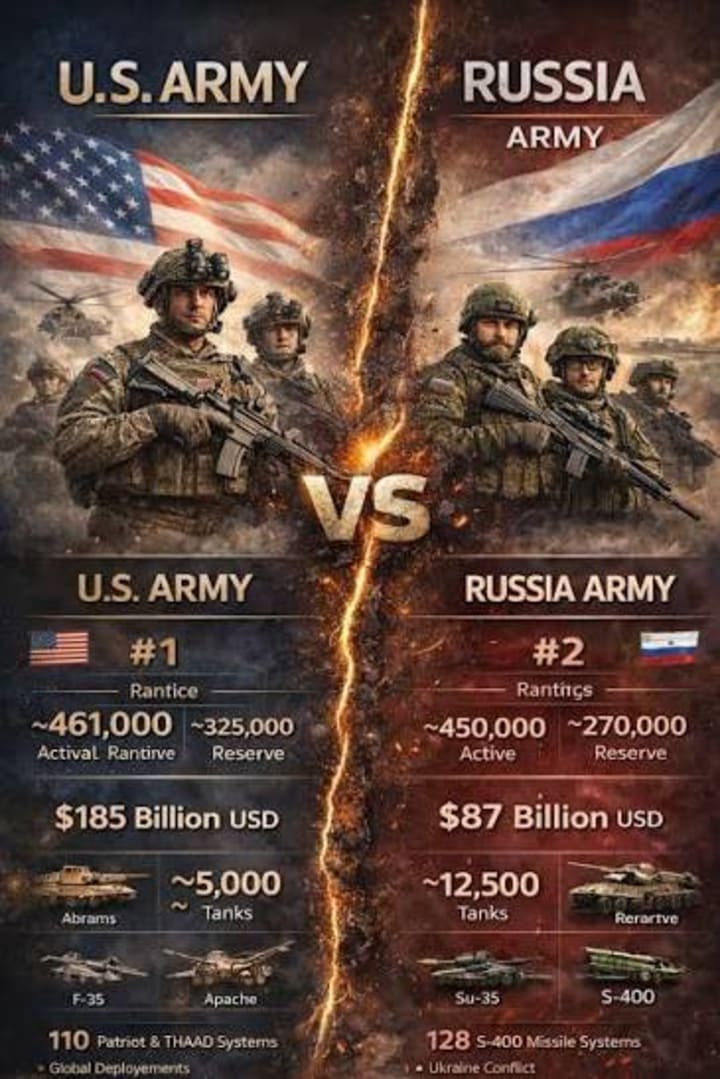
Another major factor is nuclear capability. Both countries possess vast nuclear arsenals capable of global destruction. Nuclear weapons serve as a deterrent rather than a tool for direct conflict, meaning neither side can easily dominate the other without catastrophic consequences. This balance of deterrence plays a crucial role in maintaining global strategic stability.
Economic strength also shapes military power. The United States has a significantly larger and more diversified economy, which supports sustained military investment, technological innovation, and global operations. Strong financial resources allow continuous modernization of weapons systems and military infrastructure. Economic resilience provides long-term strategic advantages in any prolonged conflict scenario.
Russia’s economy is smaller but heavily oriented toward defense production and energy resources. Despite economic challenges and international pressure, Russia has demonstrated the ability to sustain military operations for extended periods. This reflects a national strategy that prioritizes defense capability even under difficult conditions.
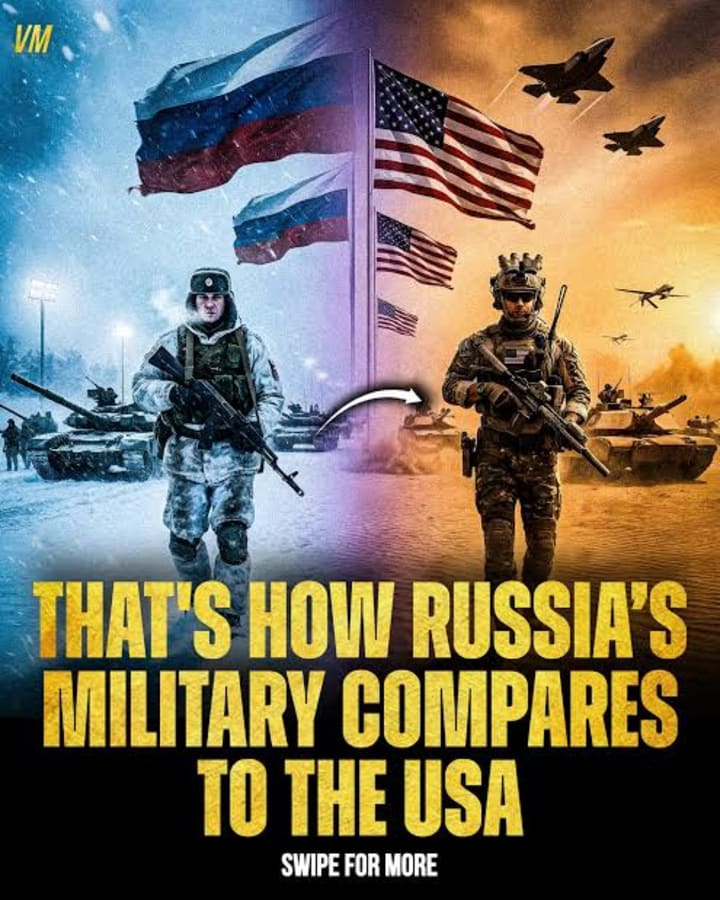
Global alliances further strengthen American power. The United States maintains defense partnerships with many countries across Europe, Asia, and other regions. These alliances extend military reach and create cooperative defense networks. In contrast, Russia has fewer formal military alliances, though it maintains strategic partnerships that influence regional politics.
When considering current conflict dynamics, Russia has been directly engaged in sustained military operations in its region, demonstrating endurance and strategic persistence. The United States, while not engaged in a direct large-scale war with Russia, continues to exercise global military presence and influence through partnerships, security commitments, and technological leadership.
Technology and innovation represent another decisive factor. The United States invests heavily in artificial intelligence, cyber defense, aerospace systems, and next-generation weaponry. This emphasis on innovation shapes the future of warfare. Russia also develops advanced systems, particularly in missile technology and strategic defense, but overall technological investment remains greater in the United States.
However, power is not purely about superiority. Geography, strategy, and political goals shape outcomes in real-world conflicts. Russia’s regional focus allows concentrated military action near its borders, while American strength lies in worldwide operational capability. Each country’s strategy reflects different priorities rather than a simple hierarchy of strength.
In conclusion, the United States is generally considered more powerful in terms of overall military capability, global reach, economic strength, and technological advancement. Russia remains a major military power with strong strategic capabilities, particularly in nuclear deterrence and regional operations. Rather than one nation being absolutely dominant, the global balance of power reflects competition between different forms of strength. Understanding this balance helps explain why neither country can easily overpower the other in modern geopolitics.
About the Creator
shaoor afridi
“I am a passionate writer dedicated to sharing informative, engaging, and well-researched articles. My goal is to provide valuable content that educates, inspires, and adds real value to readers.”
Keep reading
More stories from shaoor afridi and writers in Serve and other communities.
Rising Tensions: U.S.-Iran Conflict Escalates After Leader's Death"
In a dramatic escalation of tensions in the Middle East, Iran’s Supreme Leader Ayatollah Ali Khamenei has been confirmed dead following a large-scale military operation conducted by the United States and Israel. This development marks one of the most serious confrontations between the U.S. and Iran in decades, with region-wide impacts and uncertain global consequences.�
By shaoor afridi2 days ago in Serve
Are there specific brands or websites recommended for wigs for trichotillomania?
There's a particular kind of exhaustion that comes with trichotillomania hair loss. Not just the physical part—though that's real too. I mean the mental load: planning your hair around light, weather, angles, social plans, photos, "wind days," and whether today is a good day or a don't-look-at-me day.
By Natalee Chandabout 16 hours ago in Serve
Pearl
1980 something. we all hung out at Pearl and you and i were nothing special, or so i thought. i mean we all danced, drenched in our own sweat, our own saline solution of fear, too many beers, shots, laughter, tears, fucks in the bathroom and i don't know when we began to be afraid. do you?
By ROCK aka Andrea Polla (Simmons)6 days ago in Fiction



Comments
There are no comments for this story
Be the first to respond and start the conversation.