
Mammals with the Most Babies: 5 Remarkable Examples in the Animal Kingdom
Unveiling the Fertility Champions of the Mammal World

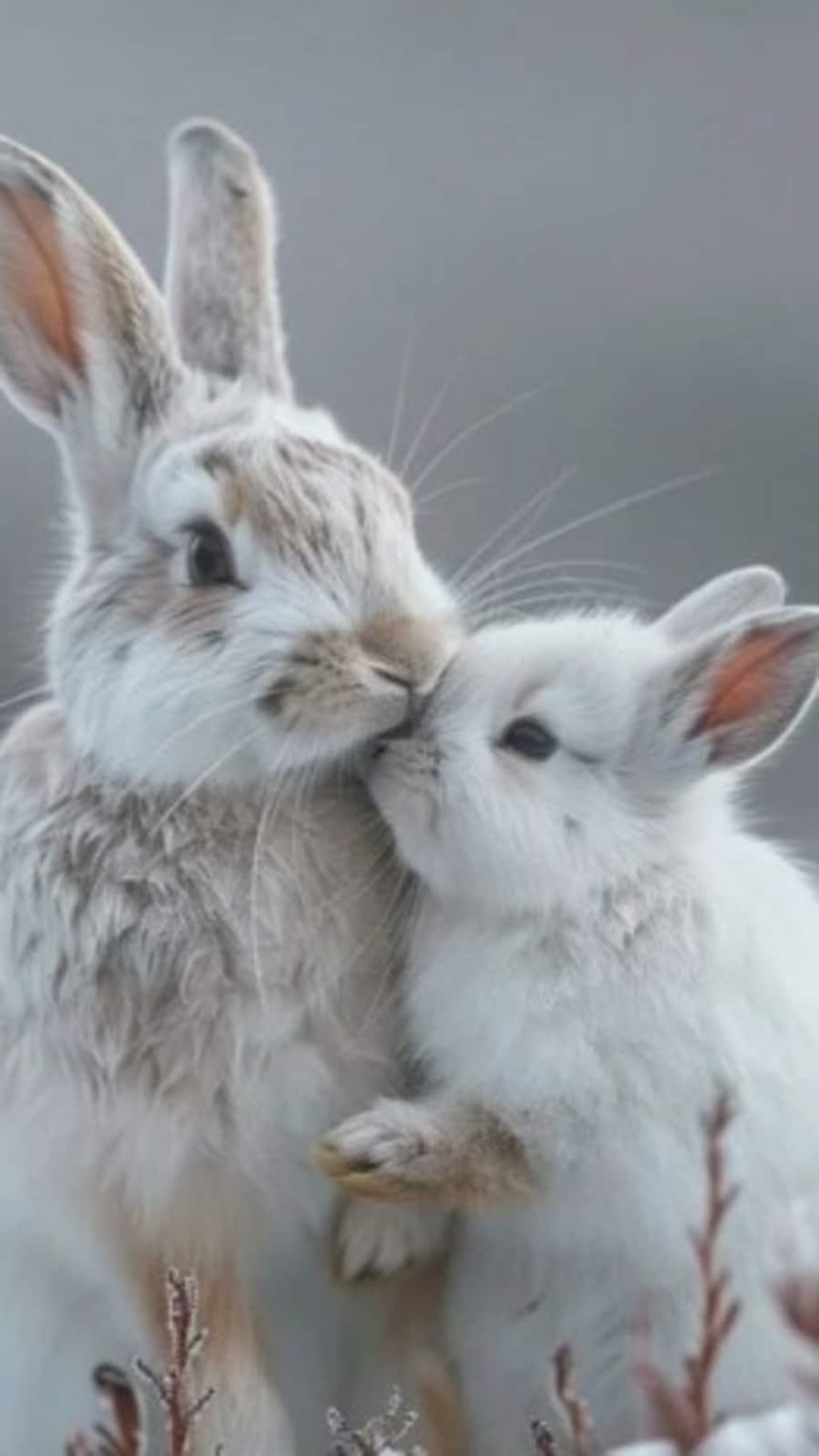
Mammals are known for their diverse reproductive strategies, with some species giving birth to just one offspring at a time and others producing litters so large they almost defy belief. 🐾🌿🐶 While most people might picture a mother cat nursing her kittens or a kangaroo caring for her joey, there are mammals whose prolific reproduction places them in a league of their own. Here are five remarkable examples of mammals known for having the most babies. 🤠🐿🐶
1. African Wild Dogs: Coordinated Reproducers
African wild dogs, also known as painted wolves, are exceptional pack animals native to sub-Saharan Africa. 🐕🌾🌿 A dominant female within a pack can give birth to litters ranging from 10 to 20 pups in a single season. These highly social animals ensure the survival of their young through a cooperative approach to raising them. 🌿🐶🐕 The entire pack, including non-breeding adults, helps care for the pups by providing food, protection, and training. This collaborative strategy is vital in the harsh environments where they live, where every pup represents hope for the pack's future. 🐕🌿🐶
2. Tenrecs: Tiny Mammals, Massive Litters
Tenrecs, small insectivorous mammals found primarily in Madagascar, are fascinating creatures that resemble a mix of hedgehogs and shrews. 🐿🐾🌿 Some species of tenrecs, like the common tenrec (Tenrec ecaudatus), can give birth to litters of up to 32 offspring! 🌿🐾🌿 These tiny mammals achieve this incredible feat thanks to their highly efficient reproductive systems. The mother tenrec nurtures her numerous young with remarkable efficiency, although not all may survive to adulthood due to predation and competition for resources. 🐾🌿🐶
3. Virginia Opossums: Nature’s Baby Machines
The Virginia opossum, a marsupial native to North America, is another prolific breeder. 🐶🌿🐾 A single female can give birth to as many as 20 young at a time. However, due to the limited number of teats in her pouch, usually only about half survive. 🐾🌿🐕 Virginia opossums have a short gestation period of just 12-13 days, after which the underdeveloped young crawl into the pouch to continue their development. This rapid reproduction helps maintain their population despite high predation rates. 🐶🌿🐾
4. Rabbits: The Quintessential Breeders
Rabbits are often synonymous with prolific breeding, and for good reason. 🐇🌿🐾 A single female rabbit, or doe, can produce up to 14 kits per litter and have multiple litters per year, depending on environmental conditions and food availability. This rapid reproduction is a survival strategy that offsets the high predation rates they face. 🐿🐇🌿 Rabbits’ ability to conceive shortly after giving birth further enhances their reputation as one of the most reproductive mammals in the world. 🐇🌿🐾
5. Naked Mole Rats: Queens of Fertility
Naked mole rats, native to East Africa, have a highly unusual social structure similar to that of ants or bees. 🐔🌿🐾 Each colony has a single breeding female, known as the queen, who produces all the offspring. The queen can give birth to as many as 30 pups in a single litter, and she may produce multiple litters each year. 🐿🐶🌿 Non-breeding individuals within the colony assist in raising the young, ensuring their survival in the subterranean tunnels where they live. This cooperative breeding strategy makes the naked mole rat one of the most fascinating examples of mammalian reproduction. 🐔🌿🐶
Why Do Some Mammals Have So Many Babies?
The ability to produce large litters is often a response to environmental pressures. Species that face high predation rates or live in unstable environments tend to have more offspring to increase the likelihood of survival for at least some of their young. 🐿🐕🌿 Additionally, animals with shorter lifespans and faster reproductive cycles often produce more babies to ensure their genes are passed on to the next generation. 🐕🌿🐶
Final Thoughts
These five mammals exemplify the incredible diversity of reproductive strategies in the animal kingdom. From the cooperative care of African wild dogs to the queen-led colonies of naked mole rats, each species demonstrates how nature adapts to ensure survival. 🐶🌿🐾 Whether you find these prolific breeders fascinating, adorable, or downright surprising, they remind us of the ingenuity and resilience of life on Earth. 🌿🐾🌿
About the Creator
Keep reading
More stories from INFO INSIDER and writers in Petlife and other communities.
7 Dog Gestures and Their Meanings
Dogs are known for their loyalty and companionship, but they communicate in ways that go beyond barks and whines. Understanding your dog’s body language is key to building a stronger relationship with your furry friend. Here, we’ll explore seven common dog gestures and their meanings to help you better interpret your pet’s needs and emotions.
By INFO INSIDER about a year ago in Petlife
Lion vs. Hyenas
The struggle between lions and hyenas is one of the most fascinating rivalries in the African wilderness. These two powerful predators share the same habitats, hunt similar prey, and constantly compete for food and territory. Their conflict is not just about strength but also about strategy, teamwork, and survival. Observing a confrontation between them reveals much about the balance of nature on the African savannah.
By Abubakar2203 days ago in Petlife
HTMA Hair Test: Understanding Hair Tissue Mineral Analysis and the Role of Interpretation
Hair Tissue Mineral Analysis (HTMA) refers to a laboratory method used to evaluate mineral content and patterns through a small hair sample. The analysis is often associated with identifying longer-term trends in mineral balance rather than short-term fluctuations.
By CEO A&S Developers3 days ago in Petlife




Comments
There are no comments for this story
Be the first to respond and start the conversation.