
What the Attacks on Iran Mean for Oil and Stocks
How Geopolitical Tensions Could Reshape Global Energy Prices and Financial Markets

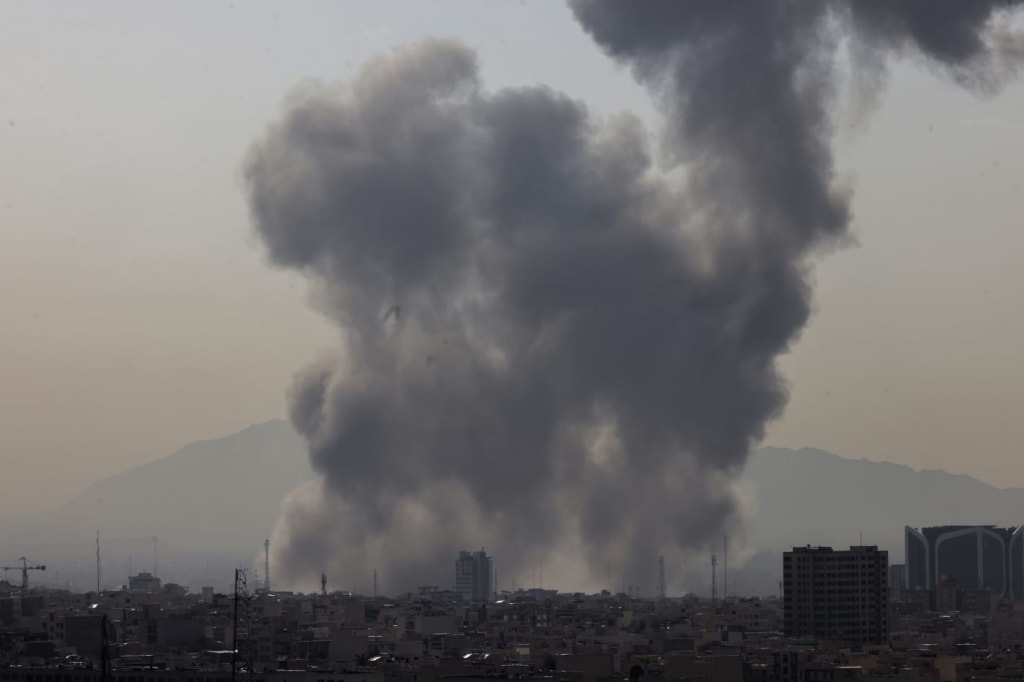
Geopolitical shocks have long shaped global financial markets, but few events carry as much immediate economic weight as military action involving Iran. Situated at the heart of one of the world’s most critical oil-producing regions, Iran’s stability—or instability—can send ripple effects across oil markets, stock exchanges, and even household budgets worldwide.
Recent attacks targeting Iranian-linked positions have reignited concerns about supply disruptions, energy price volatility, and broader investor uncertainty. While the situation continues to evolve, one reality is clear: energy markets respond swiftly to geopolitical tension, and equity markets rarely remain untouched.
In this blog, we’ll break down what these attacks could mean for oil prices, stock performance, inflation, and global economic stability.
Why Iran Matters So Much to Oil Markets
Iran is a major player in global energy supply. It holds some of the world’s largest proven oil reserves and remains an influential member of OPEC. Although sanctions have limited its export capacity at various times, Iran still contributes a meaningful share to global oil production.
However, the real strategic importance lies in geography. The country borders the Strait of Hormuz, a narrow maritime passage through which roughly one-fifth of the world’s oil supply flows daily. Tankers transporting crude from Gulf producers must pass through this chokepoint before reaching global markets.
Any threat—real or perceived—to the safety of this route can trigger immediate price reactions in oil markets.
Oil Prices: The Immediate Reaction
When geopolitical tensions rise in energy-sensitive regions, oil prices typically spike. Traders price in what’s known as a “risk premium,” reflecting the possibility of disrupted supply.
Here’s how that works:
If production facilities are damaged, supply drops.
If shipping lanes become unsafe, deliveries slow.
If sanctions tighten, exports decline.
If retaliation expands the conflict, regional instability grows.
Even if actual supply remains unchanged, the risk alone can lift prices significantly. Futures markets move quickly because oil traders anticipate potential shortages rather than waiting for them to occur.
In past Middle East conflicts, oil prices have surged sharply before stabilizing once immediate fears eased. Whether the current tensions follow a similar pattern depends largely on escalation levels and diplomatic responses.
The Strait of Hormuz: A Critical Flashpoint
The Strait of Hormuz remains the most sensitive variable in the equation. If shipping traffic were significantly restricted—even temporarily—global oil prices could rise rapidly.
A full closure is considered unlikely due to the severe economic consequences it would bring for all sides involved. However, limited disruptions such as tanker harassment, missile threats, or increased insurance premiums could be enough to elevate oil costs.
Higher oil prices do not just affect fuel stations. They influence:
Airline operating costs
Manufacturing expenses
Shipping and logistics
Agricultural production
Consumer goods pricing
Energy remains a foundational input across nearly every sector of the economy.
What It Means for Stock Markets
Stock markets typically react to geopolitical conflict with heightened volatility. Investors often reduce exposure to riskier assets until clarity emerges.
Short-Term Market Reactions
In the immediate aftermath of military escalation, equity markets often experience:
Increased daily swings
Sell-offs in consumer and industrial stocks
Gains in energy and defense sectors
Movement toward safe-haven assets
Energy companies may benefit from rising crude prices, as higher oil values can translate into stronger revenues. On the other hand, airlines, transportation companies, and fuel-intensive industries often face margin pressure.
Broader Market Impacts
If oil prices remain elevated for an extended period, inflation concerns may intensify. Higher energy costs feed directly into consumer prices, potentially prompting central banks to maintain tighter monetary policies.
Elevated interest rates, in turn, can weigh on equity valuations—particularly in growth sectors such as technology.
Thus, the impact of the attacks extends beyond immediate volatility. It can influence monetary policy expectations, bond yields, and long-term corporate investment decisions.
Inflation Risks and Economic Growth
Energy prices are a key driver of inflation. If oil prices surge significantly and remain high, the ripple effects may include:
Higher transportation costs
Increased food prices
Rising electricity expenses
Greater pressure on household budgets
For businesses, rising input costs can compress profit margins unless companies pass those costs onto consumers.
If inflation accelerates, central banks may hesitate to cut interest rates—or may even consider tightening policy further. That scenario can slow economic growth and dampen investor optimism.
However, much depends on duration. A brief spike in oil prices may cause temporary market jitters but limited structural damage. A prolonged supply disruption would carry more serious macroeconomic consequences.
Investor Psychology and Safe-Haven Assets
Geopolitical instability often shifts investor psychology. During uncertain periods, markets tend to favor perceived “safe-haven” assets.
These may include:
Gold
U.S. Treasury bonds
Defensive dividend-paying stocks
Stable utility companies
The shift does not necessarily reflect panic, but rather risk management. Large institutional investors frequently rebalance portfolios during geopolitical shocks to reduce exposure to volatility.
If tensions de-escalate, markets often rebound just as quickly as they declined.
Could There Be a Silver Lining?
While conflict is inherently destabilizing, energy market volatility can create opportunity for certain sectors.
Energy producers outside the conflict zone may benefit from higher prices. Renewable energy companies could also gain attention as policymakers emphasize diversification away from unstable regions.
In the longer term, geopolitical tensions sometimes accelerate energy transition efforts. Governments seeking greater energy independence may increase investment in domestic production, alternative fuels, or infrastructure modernization.
Thus, while short-term turbulence is likely, structural shifts in policy and investment strategies may follow.
The Bigger Global Picture
The situation underscores how interconnected the global economy has become. A regional military development can affect:
European fuel prices
Asian manufacturing costs
American stock portfolios
Global inflation rates
Financial markets operate on expectations. When uncertainty increases, volatility follows.
However, history suggests that markets eventually stabilize once clarity returns. Previous geopolitical crises have triggered sharp—but often temporary—energy price spikes and equity corrections.
The long-term impact will depend on whether the current tensions remain contained or escalate into broader regional instability.
Final Thoughts
The attacks involving Iran represent more than a geopolitical headline. They intersect directly with global energy flows, investor confidence, and economic policy.
Oil markets are highly sensitive to disruption risk, and stock markets respond rapidly to uncertainty. While short-term volatility is almost inevitable, the scale of long-term impact hinges on escalation levels and diplomatic outcomes.
For investors, the key is perspective. Markets have navigated geopolitical shocks before—and they will again. Monitoring supply routes, energy prices, and central bank signals will be critical in assessing how this situation unfolds.
In the interconnected world of modern finance, events in one region can influence portfolios across continents. Understanding these dynamics is essential for navigating today’s complex economic landscape.
About the Creator
Asad Ali
I'm Asad Ali, a passionate blogger with 3 years of experience creating engaging and informative content across various niches. I specialize in crafting SEO-friendly articles that drive traffic and deliver value to readers.
Jobs in Antarctica 2026: Work at British and US Research Stations – Chefs, Carpenters, Electricians Wanted No Science Degree Needed
Britain and the United States are both looking for new employees for their research stations in Antarctica. You don’t have to be a scientist to get a job there, as they also need carpenters, electricians, chefs, and even barbers.
By Real content8 days ago in Journal


Comments
There are no comments for this story
Be the first to respond and start the conversation.