
The Hidden Growth of the Mortuary Equipment Market
Why global healthcare systems are quietly investing in dignity, safety, and advanced post-mortem infrastructure
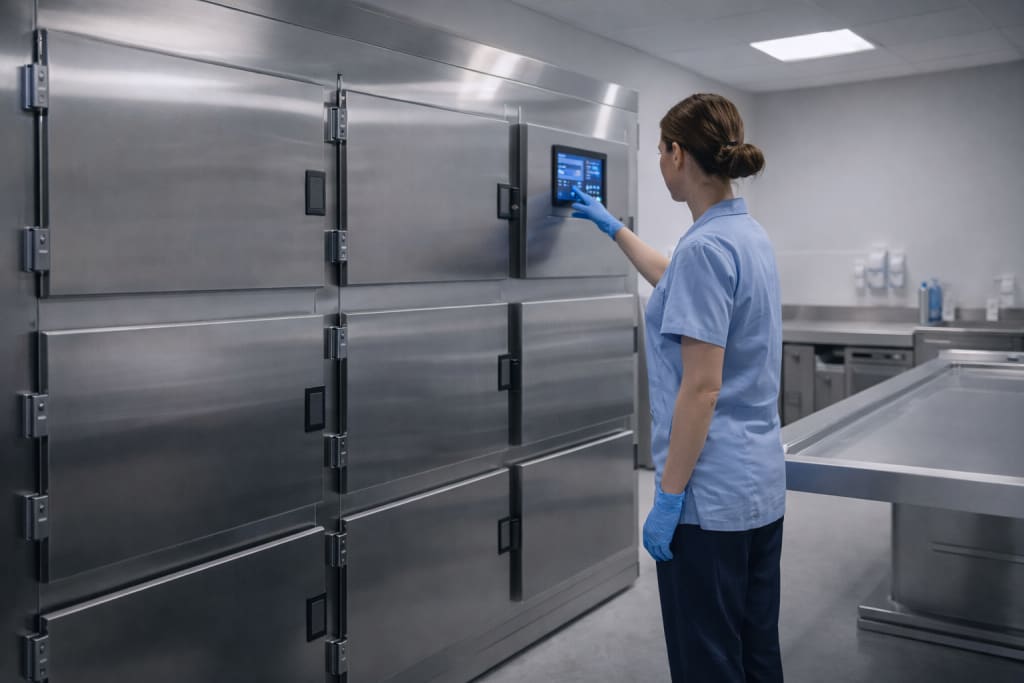
The hallway is hushed.
Beyond a secured door inside a tertiary care hospital, a quiet hum fills the air. Digital panels glow against brushed steel. A technician scrolls through temperature logs, verifying that every chamber remains precisely calibrated. No chaos. No drama. Just systems working exactly as they should.
It’s a space most people never see—and rarely think about.
While conversations around healthcare often center on cutting-edge surgeries, AI diagnostics, and next-generation therapeutics, another infrastructure story is unfolding—one rooted in preparedness, regulation, and dignity.
Search trends reveal rising curiosity:
- “What is mortuary equipment used for?”
- “How big is the mortuary equipment market globally?”
- “Why are hospitals upgrading mortuary facilities?”
- “What equipment is required in a modern autopsy room?”
These aren’t casual questions. They reflect a deeper awareness of healthcare systems as complete ecosystems—from birth to life-saving interventions to the final chapter.
According to Mordor Intelligence, the Mortuary Equipment Market was valued at USD 1.74 billion in 2025 and is projected to increase from USD 1.83 billion in 2026 to approximately USD 2.35 billion by 2031, registering a CAGR of 5.13% during the forecast period from 2026 to 2031., supported by expanding hospital infrastructure, increasing mortality rates associated with aging populations, and modernization of forensic and pathology facilities. That growth projection underscores a reality: post-mortem infrastructure is becoming a strategic healthcare investment rather than an afterthought.
Why the Mortuary Equipment Market Is Expanding
The idea of market growth in death care can feel uncomfortable. But infrastructure development isn’t about morbidity—it’s about capacity, safety, and operational readiness.
The Mortuary Equipment Market includes:
- Mortuary refrigeration systems
- Cadaver storage cabinets
- Autopsy and dissection tables
- Embalming workstations
- Body transport systems
- Forensic examination tools
Each product category addresses a specific institutional need.
Aging Populations Drive Structural Demand
Globally, life expectancy improvements have resulted in aging demographics. As populations age, healthcare systems must manage increased mortality volumes with professionalism and efficiency. Hospitals require reliable storage systems that prevent overcrowding and maintain regulatory standards.
Hospital Infrastructure Expansion
Emerging economies are investing heavily in tertiary hospitals, trauma centers, and teaching institutions. Mortuary facilities are mandatory components of hospital design. As healthcare footprints expand, so does demand for modern mortuary solutions.
Public Health Preparedness
Recent global health crises exposed vulnerabilities in hospital capacity planning, including mortuary overflow challenges. Governments and healthcare institutions are strengthening emergency preparedness through upgraded cold storage and modular expansion systems.
Forensic and Legal Compliance
Autopsy suites must meet strict occupational safety standards. Modern equipment includes improved ventilation systems, ergonomic height-adjustable tables, and fluid management designs to reduce biological exposure risks.
In short, the Mortuary Equipment Market grows not from speculation—but from necessity.
Technology Meets Respect: Modernization in Action
Walk into a contemporary mortuary suite and you’ll see evidence of technological evolution.
Digital refrigeration monitoring systems allow real-time tracking and automated alerts. Energy-efficient compressors reduce operational costs and environmental impact. Stainless steel modular units maximize space utilization while maintaining hygiene.
Hospitals increasingly search for:
- “Energy-efficient mortuary refrigeration systems”
- “Digital monitoring in hospital mortuaries”
- “Autopsy table with ventilation system”
- “Best practices for mortuary infection control”
These queries reflect a shift toward modernization.
Energy Efficiency as a Strategic Priority
Mortuary refrigeration units operate continuously. Even marginal improvements in insulation or compressor performance can significantly reduce hospital energy consumption. Sustainability goals are pushing procurement decisions toward eco-conscious designs.
Ergonomic and Safety Improvements
Height-adjustable autopsy tables and improved drainage systems enhance occupational safety. Forensic staff benefit from improved workflow and reduced strain, which in turn improves operational efficiency.
Smart Monitoring Systems
IoT-enabled temperature tracking ensures compliance with strict storage standards. Digital logs support auditing processes and reduce manual error.
This isn’t about luxury upgrades. It’s about precision and accountability.
The Emotional Undercurrent: Dignity in Infrastructure
Behind every refrigerated chamber lies a story.
- A family waiting for closure.
- A forensic investigation seeking answers.
- A hospital ensuring respectful handling.
Mortuary infrastructure plays a silent but profound role in preserving dignity.
When facilities are under-equipped, the consequences extend beyond operational inconvenience. Delays in identification, storage limitations, or inadequate infection control can compound grief and create public health risks.
Modern equipment ensures:
- Timely and respectful preservation
- Compliance with safety regulations
- Accurate forensic examination
- Smooth coordination with funeral services
It’s a reminder that healthcare doesn’t end when treatment stops.
The Mortuary Equipment Market supports one of the most sensitive responsibilities within the healthcare continuum.
Regional and Institutional Dynamics
Growth patterns vary across geographies.
In developed regions, hospitals are replacing aging equipment with energy-efficient, digitally integrated systems. In emerging markets, newly built hospitals and medical colleges are establishing mortuary infrastructure from the ground up.
Urbanization also influences demand. As populations concentrate in cities, hospital admission volumes increase, requiring scalable mortuary capacity.
Medical universities are another significant driver. Teaching hospitals require well-equipped anatomy labs and pathology departments. These facilities demand specialized autopsy tables, storage solutions, and safety systems.
Search queries such as:
- “Hospital mortuary design standards”
- “Mortuary equipment suppliers for medical colleges”
- “Cold storage requirements in tertiary hospitals”
highlight institutional focus on structured planning.
Breaking the Taboo Around Death Infrastructure
There’s a cultural hesitation in discussing death-related industries.
Yet avoidance does not eliminate the need for infrastructure.
In fact, transparency fosters preparedness.
Hospitals, public health planners, and policymakers increasingly recognize that comprehensive healthcare planning includes end-of-life logistics. The Mortuary Equipment Market reflects that systemic maturity.
When institutions invest in advanced refrigeration systems and compliant autopsy suites, they signal something essential: dignity and safety matter at every stage.
The Future of the Mortuary Equipment Market
Looking ahead, innovation will likely center on:
- Smart temperature tracking systems
- Modular expandable storage units
- Environmentally sustainable refrigeration
- Advanced ventilation for autopsy suites
- Improved infection control materials
Healthcare systems are under constant pressure to optimize both cost and compliance. Equipment that delivers efficiency, reliability, and energy savings will dominate procurement decisions.
The growth trajectory projected by Mordor Intelligence suggests continued modernization rather than stagnation. As healthcare infrastructure expands globally, mortuary facilities will evolve in parallel.
The stainless steel chambers may remain out of sight, but they are integral to operational resilience.
The technician in the quiet hallway finishes reviewing the digital log. Every chamber remains precisely calibrated. Every system functions as designed.
There is something profoundly human about that quiet precision.
The Mortuary Equipment Market may not command headlines like robotics or AI diagnostics. Yet its growth reflects a deeper truth about healthcare systems: preparedness is an act of respect.
In a world focused on extending life, perhaps the true measure of progress is how thoughtfully we manage its final chapter.
As healthcare evolves, one question lingers—are we investing enough in the unseen systems that ensure dignity when it matters most?
About the Creator
Why Retail Store Maintenance Is Essential for Reducing Long Term Repair Costs
People often assume that running a retail store is all about stocking products, selling them, and further repeating the same procedure. However, the reality is completely different from what common people think. Operating a retail store also includes taking care of the space and preserving it. Many store owners pay complete attention to daily sales but often skip taking regular care of their spaces.
By D'Art Design7 days ago in Journal




Comments
There are no comments for this story
Be the first to respond and start the conversation.