
Iran Attacks on Gulf Oil and Gas Sites Trigger Energy Fears
Rising Tensions in the Middle East Shake Global Oil Markets and Threaten Energy Security Worldwide
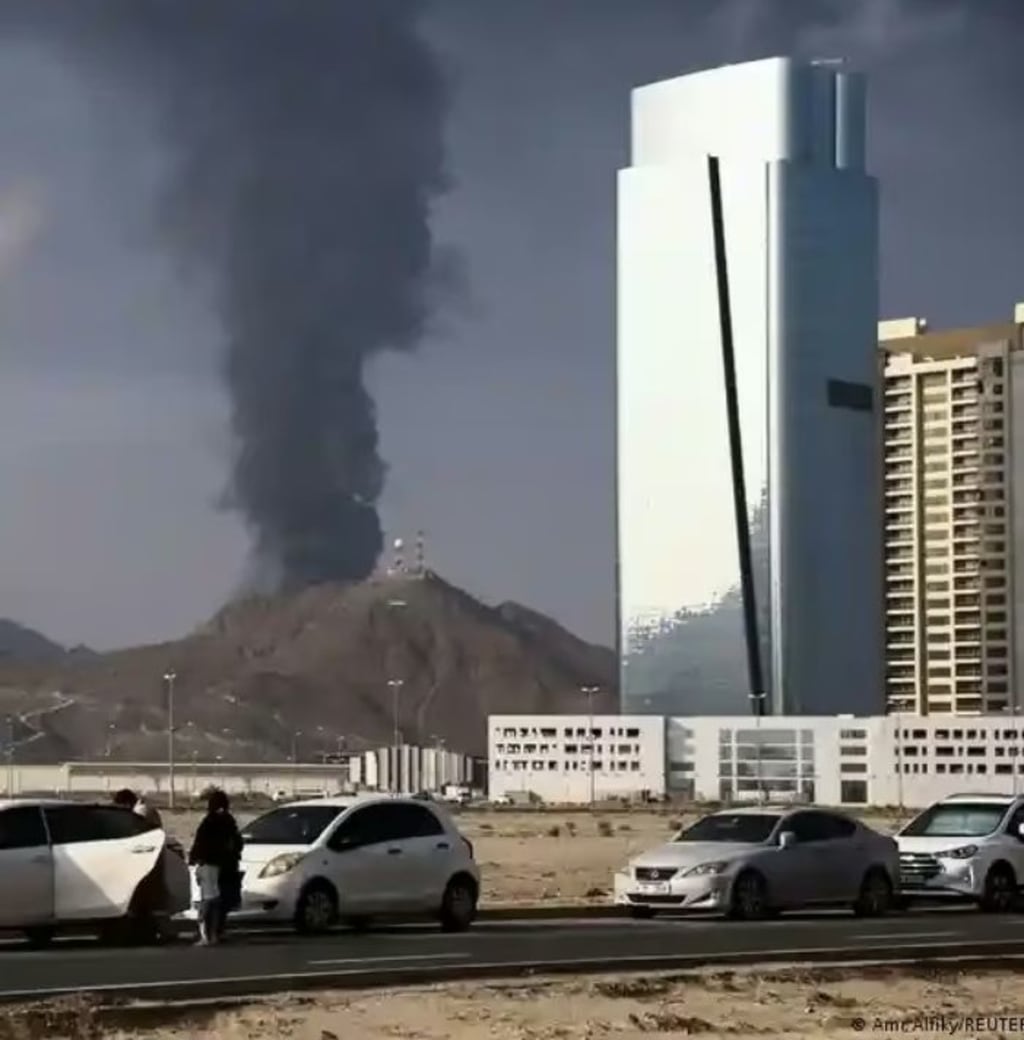
The Middle East has once again become the epicenter of global anxiety. In early March 2026, Iran launched a series of coordinated attacks targeting oil and gas facilities across the Gulf region, pushing energy markets into turmoil and reigniting fears of a prolonged supply crisis. What began as a military confrontation has now evolved into a high-stakes economic battle—one with the potential to impact fuel prices, inflation, and supply chains worldwide.
As missiles and drones struck vital infrastructure in Qatar, Saudi Arabia, Oman, and the United Arab Emirates, investors and policymakers alike were forced to confront a sobering reality: the world’s energy arteries remain dangerously exposed.
A Conflict That Reached the Energy Core
The attacks were widely viewed as retaliation following U.S. and Israeli military operations against Iranian targets. Rather than focusing solely on military installations, Tehran’s response struck at the heart of the Gulf’s economic power—its energy infrastructure.
One of the most significant targets was Ras Laffan Industrial City in Qatar, home to one of the world’s largest liquefied natural gas (LNG) production and export hubs. Temporary suspensions at the facility sent immediate ripples across global gas markets, particularly in Europe and Asia, where Qatar plays a crucial role in LNG supply.
In Saudi Arabia, operations at Ras Tanura refinery—one of the kingdom’s largest oil processing centers—were disrupted. While officials indicated that damage was contained and no casualties were reported, the psychological impact on markets was undeniable. Even brief interruptions at facilities of this scale can trigger price surges and panic buying.
Additional strikes in Oman and the UAE targeted fuel depots and shipping infrastructure, reinforcing the message that no energy facility in the Gulf is beyond reach.
The Strait of Hormuz: A Global Pressure Point
At the center of these fears lies the Strait of Hormuz, the narrow but vital maritime corridor through which nearly one-third of the world’s seaborne oil passes each day. It is also a crucial route for LNG exports from Qatar.
Any threat to shipping through Hormuz immediately reverberates across global markets. Following the attacks, shipping insurers reportedly raised premiums, and several oil tankers delayed transit through the strait due to safety concerns. Even without a formal blockade, the slowdown alone was enough to push oil prices sharply higher.
The Strait of Hormuz has long been considered one of the world’s most sensitive geopolitical chokepoints. With tensions escalating, its vulnerability has once again become front-page news.
Oil and Gas Prices React Swiftly
Energy markets are notoriously sensitive to geopolitical risk—and this time was no exception.
Brent crude prices surged as traders factored in the possibility of prolonged supply disruptions. Natural gas prices in Europe also climbed steeply, reflecting both fears over LNG supply interruptions and already tight inventories after a colder-than-expected winter season.
For consumers, this could translate into higher gasoline prices, increased heating bills, and rising transportation costs. For businesses, higher energy prices mean greater operational expenses—costs that are often passed on to consumers.
In short, geopolitical instability in one region can quickly evolve into global economic pressure.
Who Feels the Impact the Most?
The ripple effects extend far beyond the Middle East.
Asia’s Heavy Dependence
Countries such as China, India, Japan, and South Korea rely heavily on Gulf oil and LNG imports. Any sustained disruption could strain their energy security and industrial output. With limited alternative supply routes, these economies are especially vulnerable to volatility in Hormuz.
Europe’s Energy Sensitivity
Europe, still navigating energy challenges following previous geopolitical tensions, faces renewed pressure. LNG imports from the Gulf have become an important diversification strategy. Any prolonged interruption could tighten supply and accelerate inflationary pressures across the continent.
The United States
While the U.S. produces significant domestic oil and gas, global price benchmarks still influence American fuel costs. A spike in international crude prices often leads to higher prices at the pump—impacting households and potentially influencing broader economic sentiment.
Inflation and Economic Uncertainty
Energy prices are deeply intertwined with inflation. When oil and gas prices rise, transportation, manufacturing, and food production costs typically follow. This can create a cascading effect across economies already grappling with high interest rates and slower growth.
If disruptions continue, central banks may face renewed pressure. Policymakers who had hoped for stabilizing inflation may instead find themselves navigating another wave of price volatility.
Markets dislike uncertainty, and the current situation provides plenty of it.
Could the Crisis Escalate Further?
Perhaps the most concerning question is whether these attacks mark the beginning of a prolonged energy confrontation.
Targeting oil and gas infrastructure represents a strategic shift. Instead of focusing exclusively on military objectives, economic lifelines are now in the crosshairs. This raises the stakes considerably, as Gulf nations depend heavily on energy exports for national revenue.
There are also concerns about broader regional involvement. If additional countries are drawn into the conflict, the security of shipping lanes and production facilities could deteriorate further.
At the same time, diplomatic channels remain open. International efforts to de-escalate tensions may determine whether markets stabilize—or spiral further.
Energy Security Back in the Spotlight
The latest events serve as a stark reminder that global energy security remains fragile. Despite years of diversification efforts and investment in renewables, the world still depends heavily on Gulf oil and gas.
These attacks highlight three key realities:
Energy infrastructure is a strategic target in modern conflicts.
Supply chains remain highly interconnected.
Regional instability can rapidly trigger global consequences.
For policymakers, this may renew calls for expanded strategic reserves, diversified supply routes, and accelerated clean energy transitions.
For consumers, it underscores how distant geopolitical tensions can influence everyday expenses—from gasoline prices to grocery bills.
Final Thoughts
Iran’s attacks on Gulf oil and gas sites have done more than damage infrastructure—they have shaken confidence in the stability of global energy markets. With key production hubs targeted and shipping routes under pressure, uncertainty now looms over oil and gas supplies worldwide.
Whether this crisis deepens or stabilizes will depend largely on diplomatic efforts and military restraint in the coming weeks. But one thing is clear: energy security remains deeply tied to geopolitical stability.
And when that stability falters, the entire world feels the impact.


Comments
There are no comments for this story
Be the first to respond and start the conversation.