
Hidden Gems, Hairpin Turns Mapping the Perfect Atlas Mountains Road Trip
mttoubkaltrek
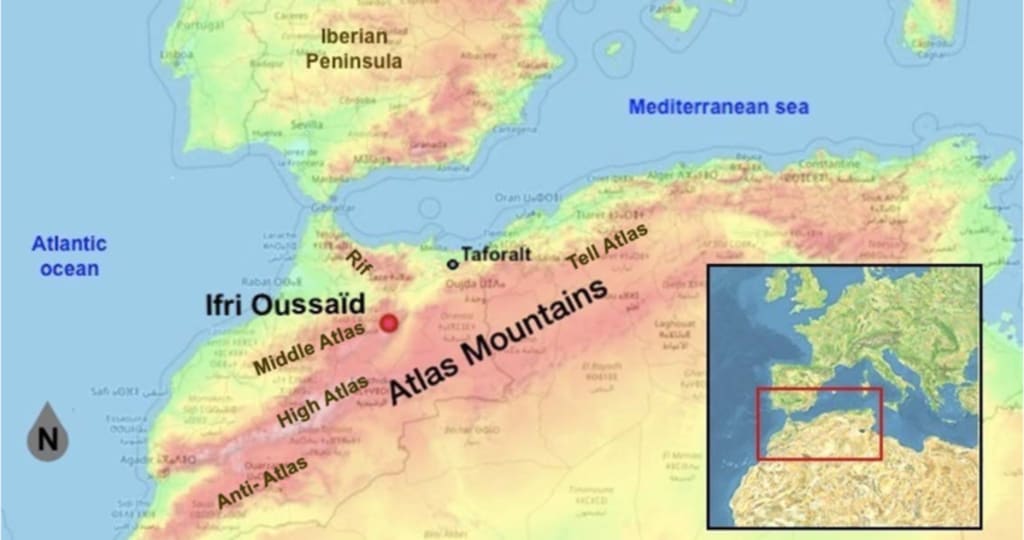
When we trace the lines of an Atlas Mountains map Morocco, we do far more than follow roads—we unlock a landscape of dramatic passes, ancient kasbahs, Berber villages, and cinematic valleys carved by time. The Atlas Mountains are not a single range but a sweeping chain stretching across Morocco, connecting the Atlantic coastline to the Sahara Desert. Every curve in the road reveals geological grandeur, cultural authenticity, and unforgettable panoramas.
A perfectly mapped road trip through the Atlas Mountains blends hairpin mountain passes, hidden valleys, and remote highland villages into one seamless journey. With careful planning and a well-structured route, we transform a scenic drive into an immersive expedition.
Understanding the Atlas Mountains: High Atlas, Middle Atlas & Anti-Atlas
Before mapping our journey, we must understand the three primary ranges that shape the region:
- The High Atlas – Home to North Africa’s tallest peaks and dramatic passes.
- The Middle Atlas – Known for cedar forests and alpine-style landscapes.
- The Anti-Atlas – Rugged, arid, and culturally rich with fewer tourists.
At the heart of the High Atlas lies Mount Toubkal, standing at 4,167 meters. This towering summit shapes much of the region’s trekking and road trip routes. When mapping our road journey, we often use Mount Toubkal as a geographic anchor, planning loops that radiate from it.
Starting Point: Marrakech to the High Atlas
Most road trips begin in Marrakech, where desert plains meet mountain horizons. From here, the N9 highway climbs toward one of Morocco’s most spectacular drives—the legendary Tizi n’Tichka Pass.
Tizi n’Tichka Pass: The Ultimate Hairpin Drive
The Tizi n'Tichka rises to 2,260 meters and is the highest major mountain pass in Morocco. The ascent is a masterpiece of engineering, winding through steep inclines and dramatic switchbacks. On an Atlas Mountains map Morocco, this pass appears as a thin ribbon cutting across massive ridges.
We navigate narrow curves overlooking terraced valleys, adobe villages clinging to cliffs, and snow-dusted peaks in winter months. Each bend delivers new perspectives, making this route the centerpiece of any Atlas road adventure.
Aït Benhaddou: A Cinematic Desert Fortress
Descending from Tizi n’Tichka, we encounter one of Morocco’s most iconic ksars: Aït Benhaddou. This UNESCO World Heritage Site is a fortified earthen village rising from the desert floor like a mirage.
Mapping this stop into our itinerary allows us to explore ancient trade routes that once connected sub-Saharan Africa to Marrakech. The kasbah’s narrow alleys and clay towers glow at sunset, creating an unforgettable visual experience.
Ouarzazate & The Gateway to the Sahara
Continuing southeast, we arrive in Ouarzazate, often referred to as the “Door of the Desert.” This strategic city links the High Atlas to the Sahara’s vast dunes.
From here, our Atlas Mountains map Morocco branches into multiple scenic loops:
- The Dades Valley circuit
- The Todra Gorge extension
- The Skoura palm grove route
- The desert-bound road toward Merzouga
Each route adds depth to our road trip, transforming a simple drive into a layered journey through geology and heritage.
Dades Valley: The Road of a Thousand Kasbahs
The Dades Valley offers one of Morocco’s most photogenic drives. Towering rock formations, lush palm groves, and centuries-old kasbahs line the valley floor. The road itself becomes an attraction, especially at the famous Dades hairpin switchbacks, where dramatic curves rise against red cliffs.
Here, we witness how nature and architecture coexist. Clay-built fortresses merge seamlessly into the canyon walls. Mapping this valley into our itinerary ensures we experience both scenic grandeur and cultural authenticity.
Todra Gorge: Vertical Majesty
Further east lies Todra Gorge, where limestone cliffs rise over 300 meters high, narrowing into a breathtaking canyon corridor.
Driving through Todra Gorge offers contrast to the wide-open mountain passes. Here, the road flattens and threads between towering rock faces. It is an ideal stop for walking, photography, and observing traditional Berber life in nearby villages.
The Hidden Beauty of the Middle Atlas
While many travelers focus solely on the High Atlas, an expertly crafted Atlas Mountains map Morocco includes the Middle Atlas. North of Marrakech, near Fes, we find cedar forests and alpine lakes that feel worlds away from desert landscapes.
In towns like Ifrane, European-style architecture and cooler climates create unexpected scenery. This region is ideal for travelers seeking less crowded routes, wildlife spotting, and forest hikes.
Exploring the Anti-Atlas: Rugged & Remote
Southwest of the High Atlas, the Anti-Atlas delivers dramatic granite peaks and fewer tourists. Villages here preserve traditional Amazigh culture, and roads wind through untouched valleys.
Mapping a route through Tafraoute reveals pink granite rock formations and ancient rock carvings. This section of our journey rewards those seeking authenticity beyond popular circuits.
Strategic Route Planning for the Perfect Atlas Road Trip
To maximize our journey, we design a loop rather than a linear drive. A well-planned itinerary might follow this structure:
- Marrakech → Tizi n’Tichka → Aït Benhaddou
- Ouarzazate → Dades Valley → Todra Gorge
- Optional Sahara extension
- Return via alternative mountain routes or Middle Atlas
We balance driving hours with exploration time, ensuring scenic stops are not rushed. Fuel stations can be sparse in remote regions, so we plan accordingly.
Best Time for an Atlas Mountains Road Trip
Seasonal timing shapes the experience dramatically:
- Spring (March–May): Blooming valleys, mild temperatures.
- Autumn (September–November): Clear skies, golden landscapes.
- Winter: Snow transforms the High Atlas into alpine scenery.
- Summer: Intense heat in desert areas but cooler at altitude.
Choosing the right season enhances road conditions and photographic opportunities.
Cultural Encounters Along the Way
An Atlas road trip is not solely about landscapes. Berber villages dot the mountainsides, offering insight into centuries-old traditions. Weekly souks bring communities together in colorful displays of textiles, spices, and handcrafted goods.
Hospitality is central to mountain life. Tea shared in a village home often becomes the most memorable part of the journey. Mapping cultural stops alongside scenic routes ensures depth beyond photography.
Driving Tips for Mountain Roads
Hairpin turns demand careful navigation. Roads may narrow without guardrails, especially in remote sections. We recommend:
- Driving during daylight hours.
- Checking weather forecasts before crossing high passes.
- Renting a reliable vehicle with sufficient power for steep ascents.
- Allowing flexibility for unexpected scenic detours.
- Preparation transforms potential challenges into smooth exploration.
Why the Atlas Mountains Define Morocco’s Ultimate Road Trip
The Atlas Mountains offer unparalleled diversity within relatively short distances. Snow-capped peaks transition into desert plains. Fortified kasbahs rise from fertile valleys. Forests give way to granite ridges.
An expertly detailed Atlas Mountains map Morocco becomes more than navigation—it becomes a storytelling tool guiding us through Morocco’s layered identity.
Every twist in the road reveals hidden gems. Every pass offers panoramic triumph. With strategic planning, immersive stops, and appreciation for both nature and culture, we craft the perfect Atlas Mountains road trip—one that captures Morocco’s most spectacular contrasts in a single, unforgettable journey.
About the Creator
andy
I am a passionate guest blogger who enjoys exploring and writing about a variety of topics. I aim to provide insightful and engaging content that resonates with readers.
Review of 'Man on the Run'
My wife and I saw Man on the Run, a nearly 2-hour documentary on Amazon Prime, about Wings, Paul McCartney's group that flew around the world from shortly after The Beatles broke up in early 1970 to shortly after John Lennon was murdered at the end of 1980, making a Beatles reunion forever impossible.
By Paul Levinson3 days ago in Beat



Comments
There are no comments for this story
Be the first to respond and start the conversation.