
Oil Prices Rise After Ships Attacked Near the Strait of Hormuz
Geopolitical Tensions in the Gulf Trigger Market Volatility and Renew Fears of Supply Disruptions
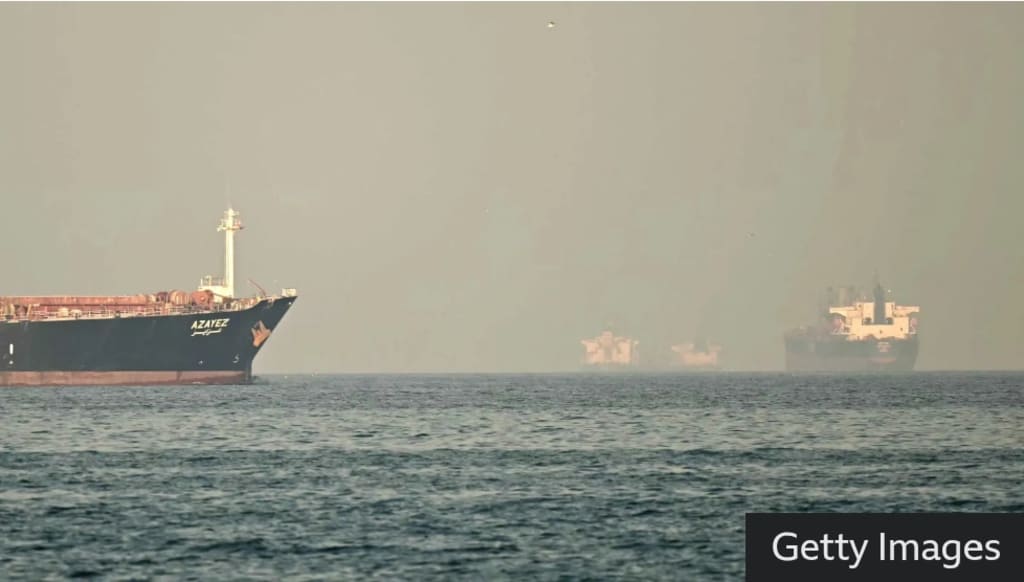
Global oil prices surged sharply after reports confirmed that several commercial ships were attacked near the Strait of Hormuz, one of the world’s most critical energy transit routes. The incident has raised serious concerns among investors, governments, and energy companies about the stability of oil supplies, pushing crude prices higher and intensifying geopolitical anxieties.
The Strait of Hormuz, located between the Persian Gulf and the Gulf of Oman, is a narrow but vital maritime corridor through which nearly 20 percent of the world’s oil supply passes each day. Any disruption in this region can have immediate and far-reaching consequences for global energy markets.
A Strategic Chokepoint Under Threat
The Strait of Hormuz serves as the main shipping route for oil exports from major producers such as Saudi Arabia, Iran, Iraq, Kuwait, and the United Arab Emirates. On average, more than 17 million barrels of crude oil transit through this narrow passage every day.
Following the reported attacks, maritime security agencies issued warnings to commercial vessels operating in the region. Several shipping companies temporarily rerouted their tankers or delayed operations, fearing further escalation. These precautionary measures immediately tightened supply expectations, leading to a spike in oil futures.
Brent crude and West Texas Intermediate (WTI) both recorded significant gains, with prices rising by more than 4 percent in early trading. Analysts described the move as a “risk premium rally,” reflecting growing uncertainty over the safety of shipping routes.
Details of the Attacks
According to regional security officials, at least two oil tankers and one cargo vessel were damaged in separate incidents near the strait. While no major oil spill was reported, minor structural damage forced the vessels to seek emergency repairs at nearby ports.
Investigations are still ongoing, and no group has officially claimed responsibility. However, speculation has focused on rising tensions between regional powers and increased military activity in the Gulf. The presence of foreign naval forces, including the United States Navy, has intensified in recent weeks, signaling growing concern over maritime security.
Washington and its allies have called for calm and urged all parties to avoid actions that could destabilize the region further.
Market Reaction and Investor Sentiment
Financial markets responded swiftly to the news. Energy stocks gained momentum, while airline and transportation shares faced downward pressure due to rising fuel costs. Investors sought refuge in traditional safe-haven assets such as gold and the US dollar.
Energy analysts noted that the price surge reflects fears of potential supply bottlenecks rather than actual shortages at this stage. “Even a temporary disruption in Hormuz can send shockwaves through the market,” said one senior commodities strategist. “Traders are pricing in the worst-case scenario.”
Hedge funds and institutional investors increased their long positions in oil futures, betting that continued instability could drive prices even higher in the coming weeks.
Implications for Oil-Producing Nations
Major oil-exporting countries are closely monitoring the situation. Members of the Organization of the Petroleum Exporting Countries (OPEC) have expressed concern about market volatility and its impact on global economic stability.
Some producers may consider increasing output to offset potential disruptions. However, logistical challenges and existing production agreements limit how quickly additional supplies can reach global markets.
Saudi Arabia and the UAE, which operate alternative pipeline routes bypassing the Strait of Hormuz, may play a key role in stabilizing exports. Yet, these routes have limited capacity and cannot fully replace seaborne shipments.
Impact on Consumers and Global Economy
Rising oil prices are likely to translate into higher fuel and transportation costs worldwide. Consumers may soon feel the effects through increased petrol prices, higher shipping fees, and rising inflation.
For developing economies heavily dependent on energy imports, the situation poses a serious risk. Higher energy costs can strain government budgets, weaken currencies, and slow economic growth.
In advanced economies, central banks may face additional pressure as energy-driven inflation complicates efforts to control interest rates. Economists warn that prolonged instability in the Gulf could undermine global recovery prospects.
Diplomatic Efforts and Security Measures
In response to the attacks, regional and international powers have intensified diplomatic efforts. Emergency meetings have been held between Gulf states, Western governments, and international organizations to discuss de-escalation strategies.
Naval patrols in the area have been reinforced, and new escort arrangements for commercial vessels are being considered. Insurance companies, meanwhile, have raised premiums for ships passing through the strait, adding to operational costs for shipping firms.
Iran has denied involvement and emphasized its commitment to regional security. At the same time, Western officials have called for transparent investigations and accountability.
Long-Term Energy Security Concerns
The latest incident has renewed debates about global energy dependence on narrow maritime routes. Experts argue that the repeated targeting of ships in the Gulf highlights the vulnerability of current supply chains.
Many countries are accelerating efforts to diversify energy sources, invest in renewable power, and expand strategic petroleum reserves. Major oil consumers in Asia and Europe are also exploring alternative import routes and suppliers.
Energy companies, including multinational giants, are reassessing risk management strategies and reviewing contingency plans for operating in high-risk regions.
Looking Ahead
While oil prices have stabilized slightly after the initial surge, markets remain on edge. Any further incidents could trigger another wave of buying and push prices to new highs. Conversely, successful diplomatic mediation and improved security could help ease tensions and restore confidence.
For now, the situation near the Strait of Hormuz serves as a reminder of how closely global prosperity is tied to geopolitical stability. As long as uncertainty persists in this vital corridor, energy markets will remain vulnerable to sudden shocks.
About the Creator
What Seven Soldier Skeletons Reveal About Their Lives.
History is often written by the victors, recorded in ink on parchment that celebrates grand strategies and royal decrees. However, the most honest account of war is frequently found beneath the earth, written in the very bones of those who fought it. When archaeologists uncover a mass grave—such as a recent discovery containing the remains of seven soldiers—they aren't just looking at the end of a life; they are opening a biological diary that spans decades.
By Irshad Abbasi a day ago in History



Comments
There are no comments for this story
Be the first to respond and start the conversation.