
Is Mojtaba Khamenei a Suitable Leader for Iran?
“A Look at Leadership, Power, and the Future of Iran After Ali Khamenei.”

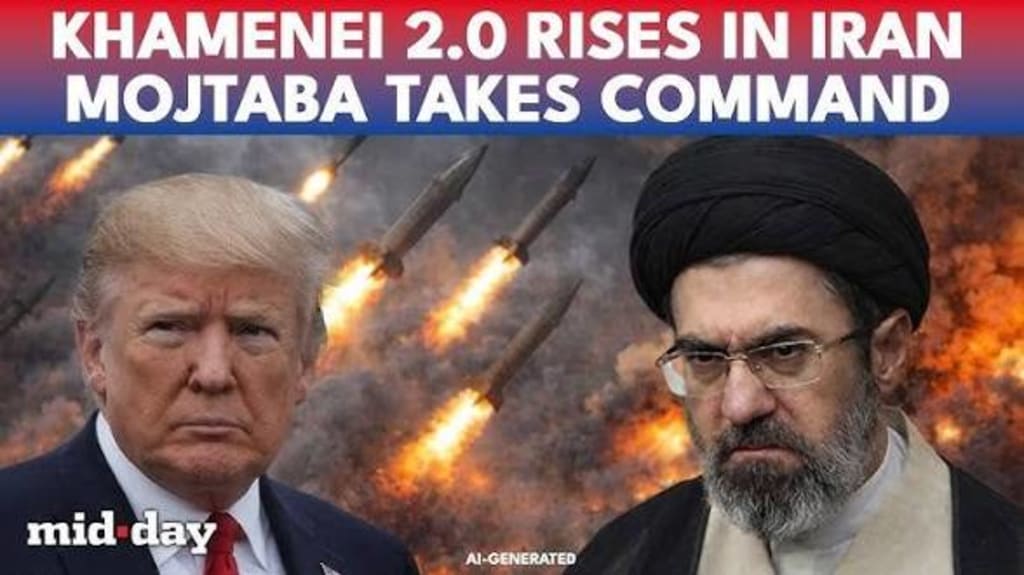
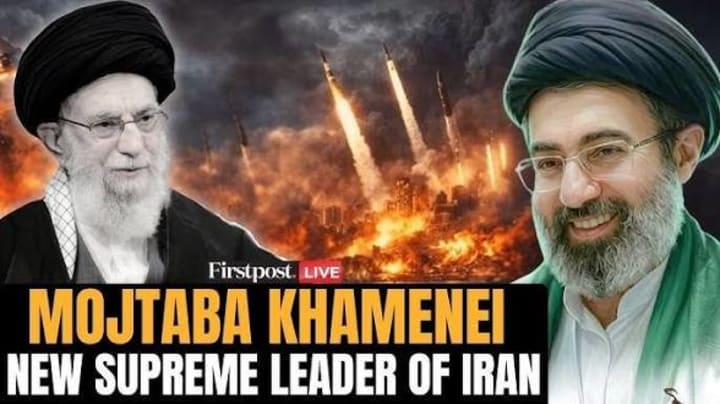
The leadership of Iran has entered a new and uncertain chapter after the appointment of Mojtaba Khamenei as the country’s Supreme Leader in March 2026. He succeeded his father, Ali Khamenei, becoming the third Supreme Leader since the 1979 Iranian Revolution. His rise has generated intense debate both inside Iran and across the world. Some view him as a figure of stability who can continue his father’s policies, while others question his experience and legitimacy. The key question now is: Is Mojtaba Khamenei a suitable leader for Iran?
The Rise of Mojtaba Khamenei
Mojtaba Khamenei was born in 1969 in Mashhad, Iran. For many years he remained a relatively quiet and behind-the-scenes figure in Iranian politics. Unlike his father, he did not hold high public office, but he was believed to have strong influence within political and religious circles.
In March 2026, Iran’s powerful clerical body, the Assembly of Experts, selected him as the country’s new Supreme Leader after the death of his father during regional conflict. �
Wikipedia
At 56 years old, Mojtaba became responsible for guiding Iran through one of the most critical periods in its modern history, including regional tensions, economic challenges, and international pressure.
Supporters’ Arguments: Why He Could Be a Strong Leader
Supporters of Mojtaba Khamenei believe his leadership could bring stability and continuity to Iran.
1. Continuity of Leadership
Many Iranian conservatives believe that Mojtaba will continue the political and religious vision established by his father. This continuity may help maintain internal stability during a time of war and geopolitical tension.
2. Strong Connections with Security Institutions
Mojtaba is widely believed to have close ties with the Islamic Revolutionary Guard Corps (IRGC), one of Iran’s most powerful military institutions. �
Supporters argue that these connections could help him maintain control and strengthen Iran’s defense strategy.
3. Support from Powerful Political Groups
Following his appointment, several major Iranian political and military institutions quickly declared loyalty to him. This support may help him consolidate power and govern effectively.
Critics’ Concerns About His Leadership
Despite support from conservative factions, many critics question whether Mojtaba Khamenei is the right leader for Iran.
1. Lack of Public Political Experience
Unlike previous leaders, Mojtaba had never held elected office before becoming Supreme Leader. Critics argue that this lack of public political experience could make it difficult for him to manage complex domestic and international challenges.
2. Accusations of Dynastic Succession
Some analysts say his appointment resembles a family inheritance of power, which contradicts the revolutionary ideals of the Islamic Republic that opposed monarchy.
This father-to-son transition has therefore sparked controversy among political observers and parts of the Iranian public.
3. Hardline Reputation
Mojtaba is often described as a hardline conservative with strong ties to Iran’s security establishment. Some fear that his leadership may lead to increased confrontation with Western countries and regional rivals.
The Challenges Facing the New Leader
Even if Mojtaba Khamenei successfully consolidates power, he faces enormous challenges:
Managing ongoing regional conflicts in the Middle East
Addressing economic sanctions and inflation
Maintaining political unity inside Iran
Balancing diplomacy with military strategy
His decisions in the coming years will shape Iran’s domestic stability and its relationship with the international community.
Conclusion
Whether Mojtaba Khamenei is a suitable leader for Iran remains a subject of intense debate. Supporters see him as a figure who can preserve stability and continue the policies of his father. Critics, however, question his experience and worry about the appearance of hereditary leadership in a republic founded on revolutionary ideals.
Ultimately, the true measure of his leadership will depend on how he handles Iran’s political, economic, and international challenges in the years ahead. The world will closely watch whether he brings stability, reform, or further conflict to the Islamic Republic.
About the Creator
shaoor afridi
“I am a passionate writer dedicated to sharing informative, engaging, and well-researched articles. My goal is to provide valuable content that educates, inspires, and adds real value to readers.”
Keep reading
More stories from shaoor afridi and writers in Geeks and other communities.
Iran Releases Epstein Files:
Introduction The controversy surrounding the Epstein files has once again captured global attention. These documents relate to the criminal activities and powerful connections of American financier Jeffrey Epstein, who was accused of operating a large international sex-trafficking network involving underage girls. In recent months, rumors and reports have circulated online claiming that Iran has released sensitive information related to these files, sparking intense debate and speculation across political and media circles worldwide.
By shaoor afridiabout 17 hours ago in Geeks
The Politics of Playing Dress-Up
Well, to start off I'd like to say a happy world book day to all who celebrate. I know I haven't really posted anything on my socials about it but I'm not a jubilant kind of person. I lay low most of the time. Let's start off with a popular anecdote from the vaults...
By Annie Kapur5 days ago in Geeks
How to Host an Unforgettable Tailgate Party Before the Big Game
A great tailgate party sets the tone for an exciting game day by bringing together friends, food, music, and team spirit long before kickoff. Fans gather early to celebrate, connect, and enjoy an atmosphere that blends community and competition. The best tailgate parties stand out because they’re carefully planned, thoughtfully organized, and full of fun details that make guests feel welcome. With the right mix of preparation and creativity, hosting an unforgettable tailgate becomes easy, enjoyable, and something everyone will look forward to each season.
By Jem Sirrine7 days ago in Geeks


Comments
There are no comments for this story
Be the first to respond and start the conversation.