
Doom Revolutionized Gaming Forever and Built the Foundation of Modern FPS
Discover how Doom reshaped the gaming industry, introduced groundbreaking mechanics, and became the blueprint for every first-person shooter that followed. Its legacy continues to influence modern games and players worldwide.

When discussing the origins of modern first-person shooters, one name stands above all others: Doom. Released in 1993 by id Software, Doom did not just introduce players to fast-paced shooting from a first-person perspective. It fundamentally changed how games were designed, played, and shared. Its influence can still be felt in nearly every shooter released today, including titles on Xbox.
Before Doom, the gaming landscape was very different. While earlier titles like Wolfenstein 3D laid some groundwork, they lacked the complexity and intensity that Doom would bring. Doom introduced a new level of immersion, combining speed, atmosphere, and technical innovation into an experience that felt revolutionary at the time.
One of Doom’s most important contributions was its perspective. The first-person view placed players directly into the action, making them feel as though they were inside the game world rather than controlling a character from afar. This perspective created a sense of immediacy and tension that had rarely been experienced before.
The level design in Doom was another major breakthrough. Instead of simple linear paths, the game featured maze-like environments filled with secrets, hidden rooms, and multiple routes. Players were encouraged to explore, experiment, and learn the layout of each level. This design philosophy would later become a standard in the FPS genre.
Speed was also a defining element. Doom was fast, intense, and relentless. Enemies attacked in groups, forcing players to move constantly and think quickly. This pace created a sense of adrenaline and excitement that set Doom apart from slower, more methodical games of its era.
The introduction of varied enemies and weapons added depth to gameplay. Players faced demons with different behaviors and attack patterns, requiring strategic thinking rather than simple shooting. Weapons like the shotgun and rocket launcher became iconic, setting standards for arsenal design in future shooters.
Multiplayer was another area where Doom made history. It introduced deathmatch mode, allowing players to compete against each other in fast-paced combat. This concept would later evolve into the competitive multiplayer modes seen in modern games. Local network play also helped establish gaming as a shared social experience.
Modding and community involvement were key parts of Doom’s legacy. id Software allowed players to modify the game, creating custom levels, characters, and experiences. This openness fostered a creative community and extended the life of the game far beyond its initial release. Today, modding remains an important part of gaming culture.
Technologically, Doom pushed hardware to its limits. Its engine created the illusion of 3D environments using clever programming techniques, allowing for smooth performance even on limited systems. This innovation set new expectations for what games could achieve technically.
Sound design and atmosphere also played crucial roles. Dark corridors, eerie lighting, and intense sound effects created a sense of dread and tension. Combined with fast-paced gameplay, this atmosphere kept players constantly engaged and on edge.
Doom’s success influenced countless developers and led to the rise of the FPS genre. Games began to adopt similar mechanics, from first-person perspectives to fast movement and complex level design. Titles across decades have built upon the foundation that Doom established.
The cultural impact of Doom cannot be overstated. It became a global phenomenon, spreading rapidly through shareware distribution. Players could experience part of the game for free, leading to widespread popularity and setting a new model for game distribution.
Even modern shooters owe a debt to Doom. Mechanics such as weapon switching, enemy variety, and level exploration are now standard features in the genre. The DNA of Doom can be seen in both classic and contemporary titles, proving its lasting influence.
The game also sparked discussions about violence in video games, bringing attention from media and policymakers. While controversial, this attention helped bring gaming into mainstream conversation and highlighted its growing cultural significance.
As technology evolved, Doom continued to inspire new generations. Remakes and reboots have reintroduced its core principles with modern graphics and mechanics, proving that its gameplay remains timeless. The spirit of fast, fluid combat and immersive design continues to resonate with players.
Playing Doom today still feels engaging. Its simplicity, speed, and intensity create a gameplay loop that remains satisfying even decades later. This timeless quality is a testament to its design and innovation.
In many ways, Doom did not just create a genre. It defined it. By combining technical innovation, creative design, and community involvement, it set a standard that developers still strive to meet.
In the end, Doom is more than just a game. It is a cornerstone of gaming history, a blueprint for modern shooters, and a reminder of how innovation can reshape an entire industry. Its legacy continues to influence how games are made, played, and experienced around the world.
About the Creator
Keep reading
More stories from Lukáš Hrdlička and writers in Gamers and other communities.
Ori and the Will of the Wisps Will Take You on a Magical Journey You Can’t Forget
Few platforming games combine artistry, emotion, and challenge as effectively as Ori and the Will of the Wisps. Developed by Moon Studios and published by Xbox Game Studios, the game is a follow-up to Ori and the Blind Forest, expanding the universe with richer visuals, deeper mechanics, and an emotionally resonant story that captivates players on Xbox.
By Lukáš Hrdličkaa day ago in Gamers
U4gm ARC Raiders: Storms, Strategy, and Big Rewards
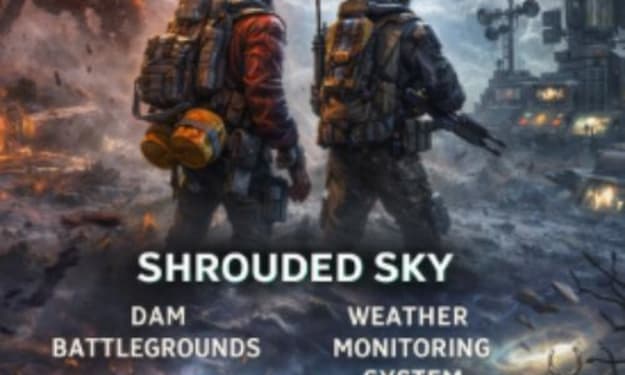
The world of ARC Raiders has always been unpredictable, but the recent Shrouded Sky update takes chaos to a whole new level. This update introduces high-risk zones in Dam Battlegrounds and a community-driven Weather Monitoring System project, giving players fresh reasons to explore, fight, and strategize.
By Billo Nali2 days ago in Gamers
Cassie and Johnny
I’m the kind of dame you notice. I’m no femme fatale, but you can’t ignore me, at least not until I warn you about what’s coming, then everybody ignores me. Hell, they usually blame me afterwards and give Johnny all the credit for saving the day, but my Johnny couldn’t save a seat at the movies without my help. Sure, he’s brawny, but brainy? Not so much. Like that time I asked him to spot me five bucks, and he said he didn’t see it anywhere on me, and believe you me, he looked but good.
By Harper Lewis6 days ago in Critique



Comments
There are no comments for this story
Be the first to respond and start the conversation.