Pop Culture
Pop Culture
Outside Lands 2026: Music, Memory, and Magic
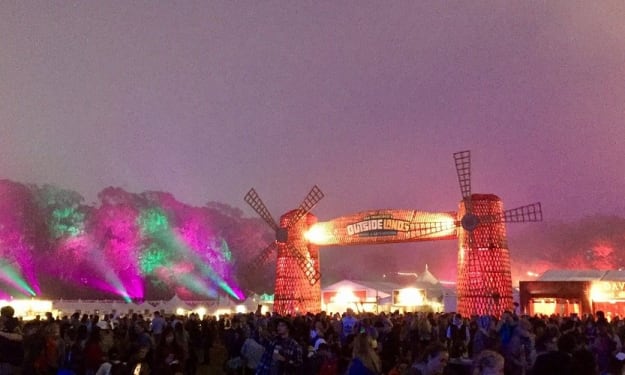
There is something different about a festival held in a park surrounded by fog. The air feels softer. The sound carries in a strange, beautiful way. Strangers stand shoulder to shoulder, waiting for a song that might stay with them for years. Outside Lands 2026 is already stirring that quiet excitement. Even before the lineup is announced, people are talking about outfits, travel plans, and who they want to see on stage. It is not just another music festival. It is a yearly ritual for thousands who return to Golden Gate Park for three days of sound, food, and shared emotion. Outside Lands 2026 promises more than performances. It promises moments.
By Muqadas khanabout an hour ago in FYI
Crude Oil Prices and the Cost of Everyday Survival
Every morning, before most of us check the weather, global markets are already reacting to crude oil prices. The numbers rise and fall quietly on trading screens, yet they shape how we live. They influence how much it costs to drive to work, ship groceries across states, or heat a small apartment during winter.
By Muqadas khana day ago in FYI
Austin Shooting: A City Confronts Fear and Change
On a warm night in Austin, the sound of music and conversation once filled the air. Food trucks glowed under string lights. People laughed outside bars and apartment buildings. Then gunfire shattered that normal rhythm. In seconds, everything changed. The words austin shooting began trending online, but behind those words were real people, real families, and real grief. For residents, it was not just another headline. It was a reminder that even cities known for creativity and culture are not immune to violence. This article explores what happened, how the community responded, and what the austin shooting reveals about safety, fear, and the long road toward healing.
By Muqadas khana day ago in FYI
Black Greek Fraternities: Why is there so much controversy?. AI-Generated.
Why the Controversy? Artificial Intelligence was used to assist with some information in this article, which addresses the growing number of preachers who say that belonging to the Greek fraternities Kappa Alpha Psi and Omega Psi Phi is idolatry. The reference point is the following verses from Exodus chapter 20. (KJV)
By Cheryl E Preston5 days ago in FYI
Mercury Retrograde: Are the effects real or imagined?
Do the heavens affect the earth? If planet alignments don't affect the atmosphere, why do people report that Mercury Retrograde wreaks havoc? I've shared my family's experiences in other writings and will share them again here.
By Cheryl E Preston5 days ago in FYI
A Planetary Alignment will coincide with Mercury Retrograde. Top Story - February 2026.
Double phenomena in the heavens Some people say in jest that the planets have aligned in their favor when life works the way they desire. Were you aware that there are seasons when things do line up in the heavens? There will be a planetary alignment AKA a planet parade, on February 28, 2026.
By Cheryl E Preston6 days ago in FYI
Daylight Saving Time Turns 60 and Arrives Earlier This Year
It's time to Spring Forward Daylight Saving Time is when we Spring Forward and turn clocks up one hour. It was once the last Sunday in March, but it has been coming earlier. This year, we lose an hour of sleep on March 8, and 2026 marks the 60th anniversary of this annual change that gives more daylight in the evenings.
By Cheryl E Preston8 days ago in FYI
How an Australian Farmer Is Planning to Get US Consumers Hooked on Camel Milk. AI-Generated.
An Australian farmer’s unusual plan to export camel milk to the United States is capturing attention in both agricultural and wellness circles, marking a potential new chapter in the global dairy market. After more than a decade developing one of Australia’s first commercial camel dairies, Paul Martin is now preparing for his first major overseas shipment — and he believes the US market could be a game-changer. The Guardian Martin operates his camel farm on a 130-hectare property in the Scenic Rim region of Queensland, southeast of Brisbane. Over the past 10 years, he and his team have built a productive herd, including standout camels such as Caroline, whose genetics produce more than twice the average milk yield of wild camels. This selective breeding, Martin says, is crucial to scaling camel milk production from a novelty to a serious commercial product. The Camel Milk Opportunity Camel milk has long been a staple in pastoral communities in Africa and the Middle East, prized for its nutrition and digestibility. But in western countries, it remains a niche product — one that is starting to attract health-minded consumers. Camel milk is naturally lower in allergens than cow’s milk because it lacks the protein beta-lactoglobulin, a major trigger for dairy sensitivities. Its nutritional profile has led some in wellness circles to describe it as a “superfood,” appealing to people with gut-health concerns or dietary restrictions. Martin plans to export 60,000 litres of camel milk to the United States this year, his first shipment aimed at testing US demand. If successful, he believes exports could grow into a major new commodity for Australia — much like beef or sheep products once did. Australia’s Unique Camel Advantage Unlike many countries, Australia has a naturally large population of feral camels — descendants of animals brought in during the 19th century — estimated at hundreds of thousands across the interior. While these populations are often seen as an ecological challenge, some see a commercial opportunity in turning them into dairy resources. However, experts caution that relying on feral harvests for commercial milk production presents challenges in scale, animal welfare, and sustainability. Government reports suggest that commercial use could support targeted population control, but that captive breeding remains a more realistic path for industry growth. On Martin’s farm, camel milking is a hands-on, psychology-driven process: camels must be “coaxed” rather than forced to release milk, requiring trust, calm handling, and careful understanding of herd dynamics. “Once you do that,” Martin says, “they’re like a grass-eating Labrador.” Marketing to US Consumers For camel milk to catch on in the United States, producers must navigate a complex food environment. Unlike traditional dairy products, camel milk still lacks widespread retail presence, and in some US states there are strict regulations on raw milk production and sales. However, pasteurised camel milk and camel-based products have already begun appearing in specialty markets, often tied to migrant communities familiar with camel milk’s cultural and nutritional value. Martin believes that the milk’s health positioning — particularly for people with allergies or digestive issues — could help broaden its appeal beyond niche markets. He points to the similarities in health trends between Australia and the US, noting that wellness consumers there have shown interest in alternatives to traditional dairy. Cultural and Economic Potential Camels also hold cultural significance for some communities in both countries. Somali Australians, for instance, see camels as symbolic of resilience and heritage, connecting traditional food practices with modern industry innovation. Martin’s farm even offers camel milk cappuccinos and camel-meat pies, blending tradition with contemporary food culture. Despite the logistical and marketing challenges, Australian producers — including larger players like Aus Camel Dairies Pty. Ltd. — are investing in technology and production facilities aimed at scaling for global markets. Some are even exploring infant formula and powdered camel milk products to broaden export opportunities. Auscamel Dairies Conclusion As Martin prepares his first shipment of camel milk to the United States, the venture represents a broader trend in agricultural innovation: turning unconventional resources into high-value export products. If Australian camel milk can find a foothold among US consumers hungry for healthful, alternative dairy options, it could usher in a new era for an industry once confined to arid deserts and traditional markets.
By Fiaz Ahmed 8 days ago in FYI