
Energy Efficiency and Environmental Benefits of "Self-Heating" Pyrolysis
How Self-Heating Pyrolysis is Redefining Energy Efficiency
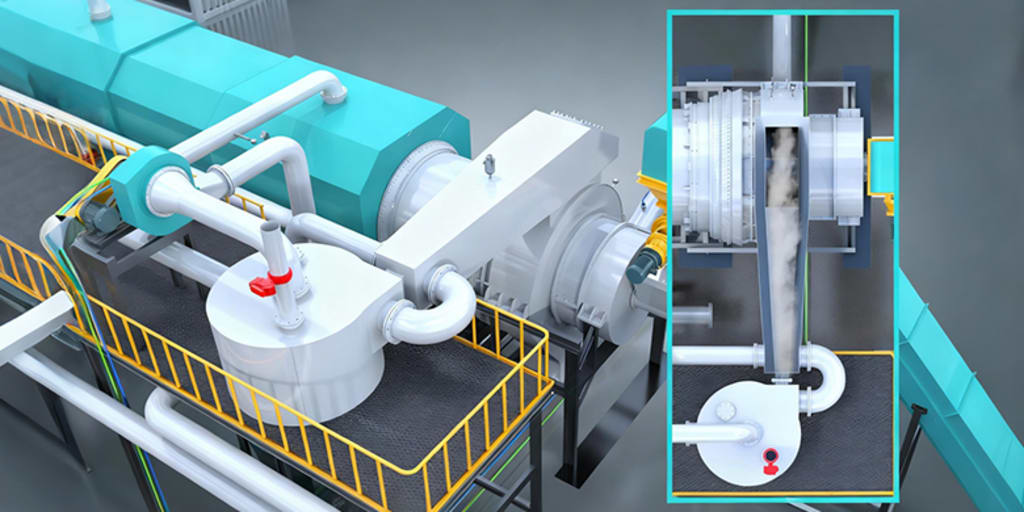
In industrial pyrolysis, one of the biggest challenges is providing the necessary heat for the process. Traditional methods require substantial external heating, often leading to high energy costs. However, thanks to the ingenuity of modern engineers, a solution has emerged: the "self-heating" system. This innovative design not only reduces energy consumption but also enhances the environmental sustainability of the pyrolysis process.
The Problem with External Heating
Pyrolysis is a high-temperature process in which organic materials, such as biomass, plastics, or waste, are decomposed in the absence of oxygen. To achieve the necessary temperatures for pyrolysis to occur—often exceeding 400°C—external heat sources are typically required. In many systems, this heat is generated using fossil fuels or electricity, both of which contribute to energy costs and carbon emissions.
The significant energy consumption involved in external heating is one of the key challenges of traditional pyrolysis equipment. However, this issue has been largely mitigated through a clever design known as self-heating.
The Logic Behind the Self-Heating System
The concept behind self-heating pyrolysis equipment is simple yet effective. During the pyrolysis process, certain non-condensable gases (also known as syngas) are produced as byproducts. These gases are typically a mixture of carbon monoxide, methane, hydrogen, and other combustible compounds.
Rather than letting these gases escape into the atmosphere or waste them, the self-heating system captures them and reroutes them back into the reactor chamber. By combusting these gases at the base of the reactor, they provide the necessary heat to continue the pyrolysis process. In this way, the pyrolysis system creates a closed-loop energy cycle, where the energy needed to sustain the process is generated internally.
How It Works: A Closed-Loop Energy Cycle
Syngas Production: As biomass or waste material is heated in the absence of oxygen, it breaks down into various byproducts, including syngas.
- Gas Capture: The non-condensable gases produced during pyrolysis are captured and directed back into the reactor.
- Combustion: These captured gases are burned at the bottom of the reactor to generate heat.
- Energy Self-Sufficiency: The combustion of syngas provides the heat necessary for the pyrolysis reaction, meaning that the system no longer needs external electricity or fuel sources to maintain the process.
The Goal: Energy Independence
The ultimate goal of this self-heating design is energy self-sufficiency. Once the pyrolysis system is running, it no longer requires additional fuel or electricity to continue processing materials. This significantly reduces operational costs and enhances the environmental sustainability of the process.
Benefits of the Self-Heating Design
1. Cost Savings:
By relying on syngas produced during the pyrolysis process for heating, the system eliminates the need for external power sources or fuels. This translates into significant cost savings for businesses, as they are no longer dependent on expensive electricity or fossil fuels to maintain the process.
2. Environmental Impact:
The self-heating system reduces the overall carbon footprint of the pyrolysis process. Since the gases produced during pyrolysis are being reused for energy, there is no need to burn additional fossil fuels. This makes the entire process more energy-efficient and environmentally friendly, helping businesses meet sustainability goals and comply with regulations on carbon emissions.
3. Reduced Carbon Emissions:
By using the produced syngas as a fuel source, the system also helps to reduce harmful emissions that would otherwise be released into the atmosphere. This design minimizes waste gases and prevents air pollution, ensuring that pyrolysis plants contribute less to environmental degradation.
4. Energy Efficiency:
The ability to recycle and reuse energy within the system itself increases the energy efficiency of the process. By minimizing energy waste, the pyrolysis process becomes more sustainable and cost-effective over the long term.
5. Scalability:
Since the self-heating pyrolysis system is energy-independent, it can be scaled up for larger industrial applications without significantly increasing energy consumption. This makes it an ideal solution for businesses looking to expand their operations while maintaining cost-efficiency and sustainability.
A Green Future for Pyrolysis
The development of self-heating pyrolysis equipment marks a major leap forward in the quest for more sustainable and energy-efficient industrial processes. By reducing reliance on external fuel sources, it not only makes pyrolysis more cost-effective but also significantly reduces its environmental impact.
As the world moves toward greener technologies and more sustainable production methods, innovations like self-heating pyrolysis equipment will play a critical role in shaping the future of industries such as biomass conversion, plastic recycling, and waste-to-energy. The self-heating system exemplifies how cutting-edge technology can optimize energy usage, reduce operational costs, and contribute to a cleaner, greener world.
This revolutionary design proves that efficiency and environmental responsibility can go hand-in-hand, offering businesses a practical and eco-friendly way to process materials while saving money and resources.
About the Creator
Man (22) Charged With Murder of English Tourist in Temple Bar
Arrest and Formal Charges A 22-year-old man has been charged with the murder of an English tourist following a fatal incident in Dublin’s Temple Bar area. The charge comes after an intensive Garda investigation into events that unfolded in one of Ireland’s busiest and most popular nightlife districts.
By Aarif Lashari4 days ago in Earth
Flower Bloom 369
FLOWER Bloom 2/25/26 Wednesday By Mariann Carroll Karen had been with Tony for 7 years. Tony started acting strangely after her surgery. He would mow the lawn in the rain and be on his cellphone. He started pushing Karen away. Tony came clean about seeing someone. Karen moved out two months later. Karen moved in with a friend. She felt betrayed.
By Mariann Carroll5 days ago in Fiction




Comments
There are no comments for this story
Be the first to respond and start the conversation.