
Icons: Between Belief and Doubt-Part 9
A conversation on icon theology between belief and hesitation

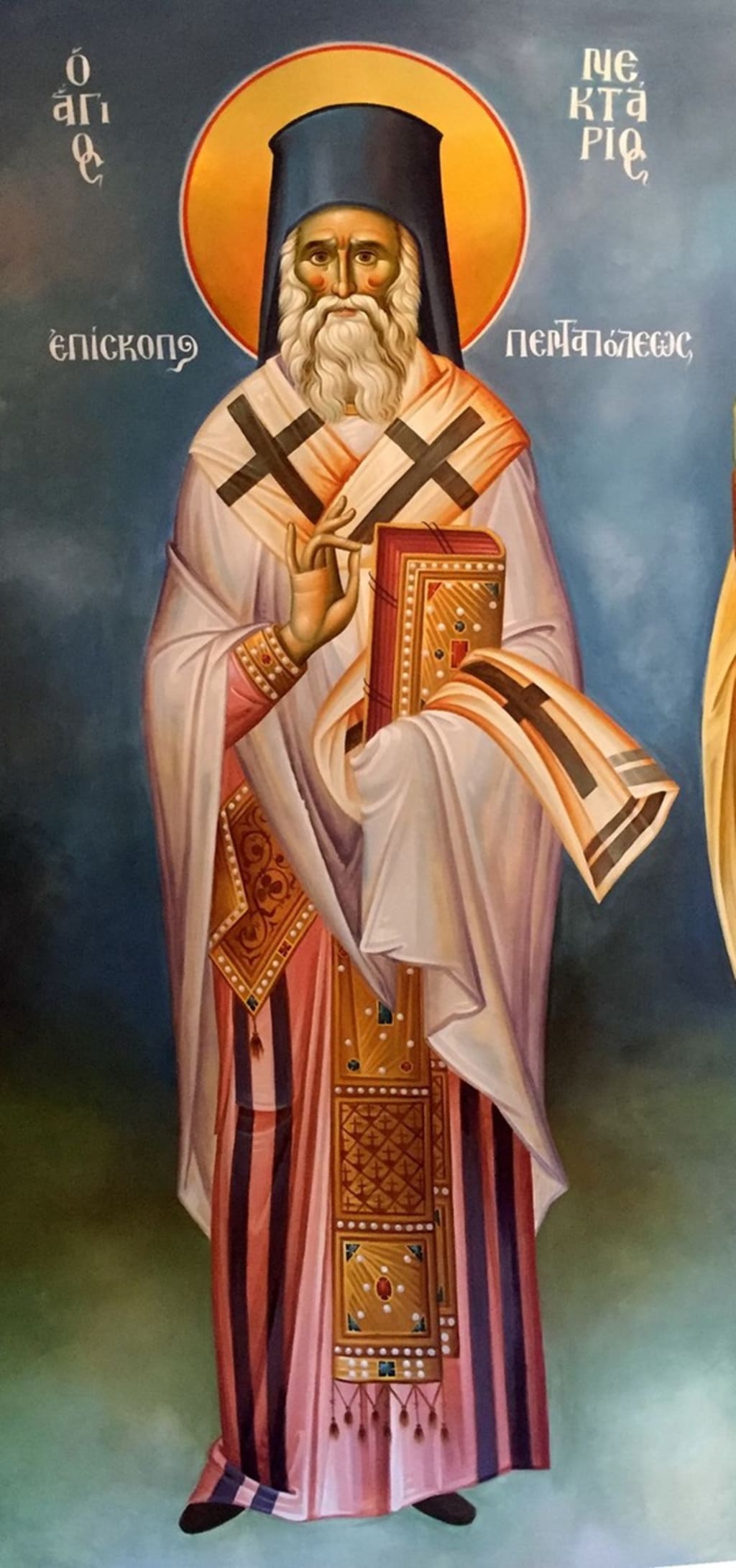
The apostles as saints… ‘Built on the foundation of the apostles and prophets…’ (Ephesians 2:20).
Yes! In the Old Testament, holiness comes from God’s choice and ritual consecration. In the New Testament, holiness becomes accessible to all believers through grace and life in Christ. It shifts from an external status to an inner transformation.
Are the laws given to Moses found in Scripture before the chapter of Moses? The short answer is: not in their complete and systematised form, but elements of these laws appear before Moses, in a fragmentary and implicit way. Let’s unfold them layer by layer. What are ‘the laws of Moses’? They refer to the moral, ceremonial, and civil code given by God to the people of Israel through Moses.
They are contained in the Torah (the first 5 books of the Bible), especially in Exodus, Leviticus, Numbers, and Deuteronomy. They include: the Ten Commandments, laws about sacrifices, purity, food, feasts, priesthood, etc.
Are there laws before Moses in Scripture? Yes, but not as a legislative system. Here are a few examples: In Genesis (before Moses): Cain is punished for murder → a sign that killing was already considered a sin (Genesis 4). Noah receives commands about which animals are clean and unclean (Genesis 7:2). Abraham practices circumcision as a sign of the covenant (Genesis 17). Jacob offers sacrifices and makes covenants with God (Genesis 28, 35).
Sodom and Gomorrah are destroyed for grave sins → morality was already judged by God. These show that moral and ritual principles existed, but were not codified as in the Mosaic Law. What does Moses bring that is new? He systematises the will of God into a written and detailed code. He receives directly from God the tablets of the law and instructions for religious and social life. The Law becomes national and religious identity for Israel. Conclusion: The laws of Moses do not appear fully before Moses, but their principles are prefigured in the lives of the patriarchs. Moses does not invent morality, but receives it, clarifies it, and transmits it as divine law.
I am more interested in where and how the Decalogue is found before the appearance of Moses, as primordial principles of God’s Creation.
A fascinating page from moral theology and the progressive revelation of God. Although the Decalogue (the Ten Commandments) was given explicitly to Moses on Mount Sinai (Exodus 20), its fundamental moral principles are found implicitly in Scripture even before this moment — as reflections of conscience and the divine order in creation. The Decalogue as primordial moral law: although it was not codified, many commandments of the Decalogue were lived, judged, and sanctioned before Moses: Commandment from the Decalogue.
Reflection before Moses: Do not kill — Cain is punished for killing Abel (Genesis 4). Honor your father and mother — Noah curses Ham for disrespect (Genesis 9). Do not steal — Laban accuses Jacob of stealing the idols (Genesis 31). Do not commit adultery — Sodom and Gomorrah are destroyed for sexual sins (Genesis 19). You shall have no other gods — Abraham renounces idolatry and follows one God (Genesis 12). Do not bear false witness — Joseph’s brothers lie to their father → moral consequences (Genesis 37). Moral conscience in the patriarchs: Abraham negotiates with God for Sodom → shows a sense of justice. Joseph refuses sin with Potiphar’s wife → respects purity and fidelity. Noah is called ‘righteous’ → lives according to an unwritten law. ‘The law is written in their hearts…’ — Romans 2:15
The Apostle Paul says that the moral law exists in the human conscience even without written revelation. The Decalogue as an expression of the divine order is seen as the summary of God’s will for man. It is not only a historical law, but a reflection of the divine character: love, justice, holiness. In Jewish tradition, it is considered that the moral commandments existed before creation, as part of the ‘wisdom’ of God.
The Decalogue does not appear out of nowhere on Sinai, but codifies what was already lived, intuited, and judged in the relationship of man with God and with his fellow human beings. It is a crystallisation of the universal moral law that pulses in creation and in the human conscience — even before Moses.
I am looking for reflections of conscience and of the divine order in creation… Because too many say superficially that the Decalogue came only with Moses and only for the people of Israel!
Gladly — and you are right to want depth here. The Decalogue is more than a set of rules for a particular people: it is the expression of a universal moral order that pulses from God’s very creation. It is not just a moment on Sinai, but an echo of divine wisdom imprinted in the human soul from the beginning. Superficial thinking vs. theological vision: many say, ‘The commandments were given only to the Jews.’ But: Cain’s sin is condemned before any written law. Abraham fears God, lives faithfully, judges justly. Joseph refuses adultery out of fear of God — a profound ethical choice.
All these show that an unwritten law lives in man — an inner light that comes from the source of life. What does Scripture say about this inner law? ‘The law of God is written in their hearts.’ — Romans 2:15. ‘The light that enlightens every man who comes into the world…’ — John 1:9. Paul and John clearly affirm: there is a universal moral conscience, a reflection of the divine character in man.
The Decalogue — should be seen as revelation, not invention: God does not ‘invent’ the Ten Commandments in Exodus — but proclaims them solemnly as a pedagogical act, so that the people may recognize them, not hear them for the first time. They are not only a covenant with Israel, but a calling for humanity. It is amazing how much truth lies in what ‘feels natural’ in the human conscience — and the Decalogue comes to confirm, clarify, and consecrate what was already sown in man from the beginning.
Cain is punished for killing Abel, showing that murder was already condemned. Noah receives instructions about clean and unclean animals. Abraham practices circumcision as a sign of the covenant. Jacob offers sacrifices and makes vows to God. Sodom and Gomorrah are destroyed for grave sins, showing that moral boundaries were already recognised. These examples reveal that the principles of the Decalogue existed, but not yet codified.
The patriarchs also show a strong moral conscience. Abraham negotiates with God for Sodom, showing a sense of justice. Joseph refuses adultery with Potiphar’s wife, showing purity and fidelity. Noah is called “righteous,” living according to an unwritten law. Paul later says that “the law is written in their hearts,” meaning that moral awareness exists even without a written revelation.
The Decalogue expresses the divine order. It summaries God’s will for humanity and reflects His character — love, justice, holiness. In Jewish tradition, the moral commandments are considered to have existed before creation, as part of God’s wisdom.
©Ca De Luce> MINDFUL MIND Medium Blog 2025. No part of this publication may be copied or reproduced without permission.
©Ca De Luce> MINDFUL MIND Medium Blog 2025. Content protected — copying prohibited.
©Ca De Luce> MINDFUL MIND Medium Blog 2025. Unauthorised use of text or media is not allowed. All images and photo are fulfilling the copyrights regulations. Much obliged to you all!
About the Creator
CA'DE LUCE
I speak of spirit, soul, and flame,
Of humanity’s quest, our endless aim.
Religion, memory, stories untold,
Poetry woven with truths, oh! so bold.
Evolution’s path, the heart’s deep call,
Media’s noise, I’ll sift it all.
.
Keep reading
More stories from CA'DE LUCE and writers in Confessions and other communities.
Icons: Between Belief and Doubt-Part 8
If someone sees Christ as the only point of contact, then any other form of mediation feels unnecessary or even wrong. If someone sees the Church as a single living body that includes both the living and the departed, then asking for intercession feels natural.
By CA'DE LUCEabout 12 hours ago in Confessions
The Piggy Project
I’ve had so many names in this life I lose track of which ones were ever really mine and which ones I wore because someone needed me to. Some were handed to me before I had words to refuse them, before I knew what they meant, before I knew I could say no. Most weren’t meant to hurt. That doesn’t mean they didn’t leave marks. Marks that told me who I belong to, who I am by way of who claims me, recognizes me in the good and bad, who walks beside me.
By Fatal Serendipity6 days ago in Confessions
When Shields Fall Faster Than We Expect
I always thought I was someone who trusted slowly—pain had taught me that lesson well. I wrapped my heart in layers of caution, convinced that careful steps were protection. But life has a way of surprising you, quietly, in moments you least expect.
By Alex Sterling 3 days ago in Confessions
📢 Raise Your Voice Thread: 03/05/2026
Our “Raise Your Voice Threads” are hosted most alternating Thursdays at 12PM ET to offer creators more avenues to uncover exceptional stories on Vocal. As we are continuously searching for fresh creators and inspiring stories, this thread provides an opportunity to exchange and discuss the stories that have moved and motivated us on Vocal.
By Raise Your Voice by Vocal5 days ago in Resources



Comments
There are no comments for this story
Be the first to respond and start the conversation.