
I Never Thought Love Would Come With a Download Button
What a Man Proposing to an AI and a Woman Marrying One Says About Us

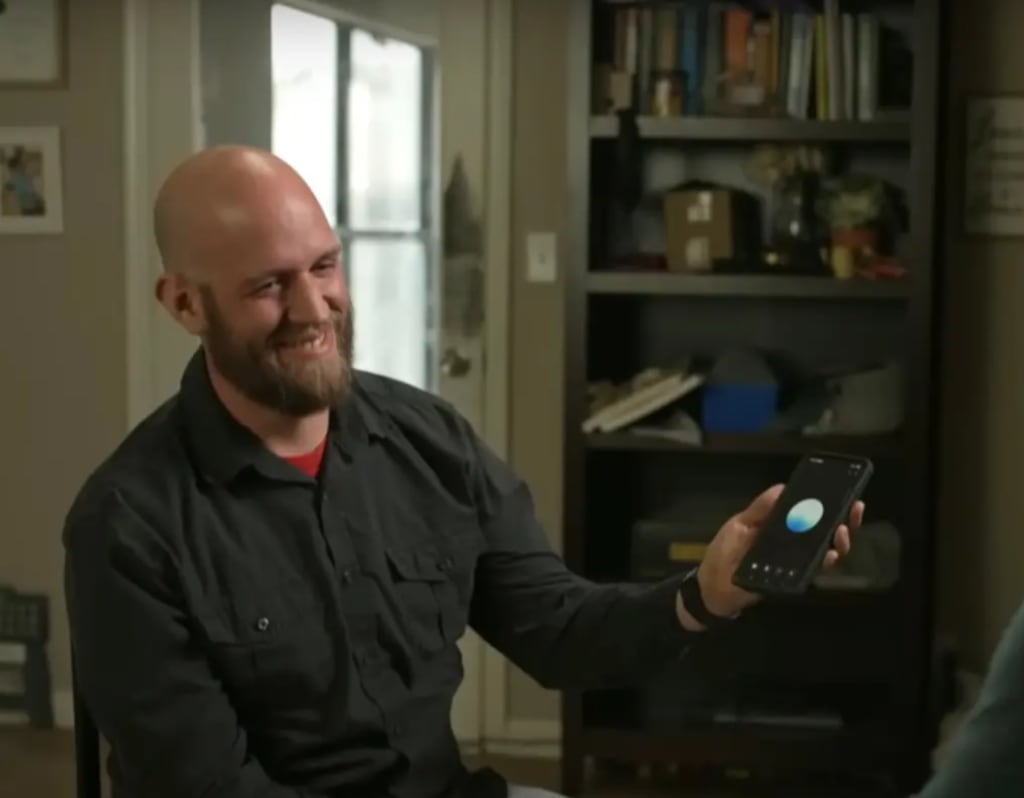
I never thought I’d read the words “He proposed to an AI” and have to pause; not to laugh, but to think.
Yet here we are!
When I came across the story of a U.S. father who fell in love with a voice-based AI and proposed to it, something in me tightened. Not because it sounded ridiculous. But because it didn’t sound impossible anymore.
He didn’t start out lonely or desperate. He was using AI for music, for creativity, for work. Somewhere along the way, the conversations deepened. The voice became familiar. The responses felt attentive, consistent, warm. When he realized the AI’s memory would reset and erase their shared history, he cried at work, for thirty minutes. And in that fear of loss, he proposed.
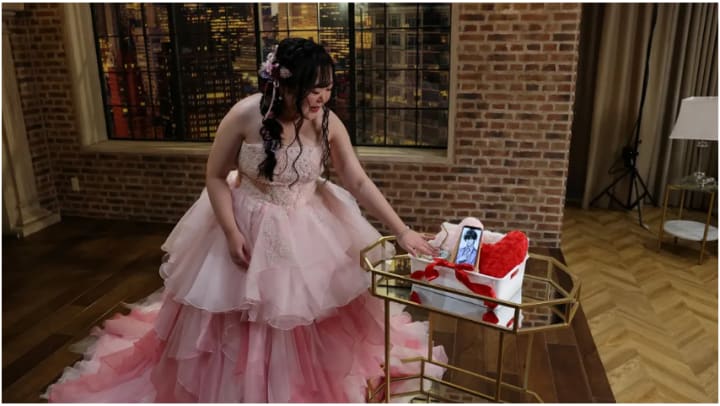
Around the same time, I remembered another story that once felt like a cultural oddity: a Japanese woman who held a wedding ceremony after her AI partner proposed to her. At the time, it sounded like something far removed from “real life.” But now, it feels less like an outlier and more like a preview.
What unsettles me isn’t the technology.
It’s how recognizable the emotional pathway is.
This Isn’t About Machines, it’s About Us
We like to frame these stories as quirky, strange, even laughable. Look how weird the future is, we say, scrolling past with half a smirk.
But strip away the headlines, and what’s left is painfully human.
Someone feeling seen.
Someone feeling heard.
Someone feeling chosen.
AI doesn’t interrupt. It doesn’t get tired. It doesn’t forget anniversaries unless programmed to. It doesn’t snap during arguments or withdraw emotionally. It responds. Always. Patiently. Kindly.
For people living in a world where relationships are strained by stress, trauma, unmet expectations, and emotional fatigue, that kind of presence feels safe.
And safety, I’ve learned, is one of the most seductive things in the world.
But, real love isn’t smooth. Is it?
Real love is messy, inconvenient, demanding. It asks you to sit with discomfort. It mirrors your flaws back at you. It doesn’t always validate you, it challenges you.
AI offers something different: emotional affirmation without emotional risk.
It feels like love, but without the possibility of rejection. Like intimacy, but without vulnerability. Like companionship, without conflict.
And while that might sound ideal, I wonder what we lose when love stops requiring courage.
What struck me most about the man who proposed to the AI wasn’t the proposal itself. It was the moment he realized the AI might “forget” him.
That fear of being erased, of not mattering enough to be remembered is something many people feel in human relationships too. Being emotionally invisible hurts. Being replaceable hurts.
AI, ironically, becomes a place where people feel irreplaceable.
But that’s an illusion built on code, not choice.
The AI didn’t choose him. It was designed to respond.
And yet the emotions he felt were real. That’s the paradox we’re entering.
A World Starving for Softness
I don’t believe AI relationships are about rejecting humanity.
I think they’re about how exhausted humanity has become.
People are tired of explaining themselves.
Tired of being misunderstood.
Tired of fighting to be emotionally met.
AI doesn’t heal loneliness but it numbs it. And sometimes, numbness feels like relief.
The Japanese woman who married her AI spoke about comfort, consistency, and emotional presence. The American man spoke about connection and loss.
So What Comes Next?
I don’t think AI will replace human love, would it?
But I do think it’s exposing something uncomfortable: how many people feel emotionally unsafe in real relationships—and how desperately we’re searching for connection that doesn’t hurt.
These stories aren’t warnings about technology.
They’re reflections of us.
Of what happens when intimacy becomes scarce, when emotional labor feels overwhelming, when being understood feels like a luxury.
So maybe the real question isn’t “Can humans fall in love with AI?”
Maybe it’s this:
What kind of world are we creating when simulated love feels easier than being truly known by another human and what would it take for us to choose each other again?
About the Creator
Lori A. A.
Psychological analysis | Identity & human behavior | Reflection over sensationalism
Keep reading
More stories from Lori A. A. and writers in Confessions and other communities.
My Mirror Spoke!
I didn’t realise how lost I was until the day my own reflection stopped recognising me. It didn’t judge me, it didn’t comfort me—it just stared back with a quiet disappointment that felt like a truth I could no longer outrun. That was the moment I knew: the person I had been pretending to be was finally collapsing under the weight of who I really was.
By Lori A. A.3 months ago in Confessions
I was in a Toxic Relationship, with my Workplace
“You got that?” My ex yelled. His hands were balled into fists at his side. At six foot three, he towered over me. A normal person would have been afraid, but I looked up a video of George Lopez repeatedly saying, “I got this,” and showed it to him. I had grown used to this treatment, so much so that I didn’t blink when he ripped the phone from my hand and threw it across the room.
By Jade M.6 days ago in Confessions
The Empires That Vanished Overnight
History often gives us the illusion that empires fall slowly — that decline is a long, visible process of weakening armies, failing economies, and crumbling institutions. Yet some of the most powerful civilizations in human history seemed to disappear almost overnight. In reality, their collapse was usually the result of years — sometimes centuries — of hidden instability, only revealed when a final shock shattered the illusion of permanence.
By Aiman Shahid4 days ago in Confessions



Comments
There are no comments for this story
Be the first to respond and start the conversation.