
How did Israel kill Iranian Supreme Leader Ayatollah Ali Khamenei?
US and Israeli intelligence reportedly coordinated a daylight airstrike targeting Iran’s Supreme Leader Ali Khamenei in Tehran, dropping 30 bombs on his compound.

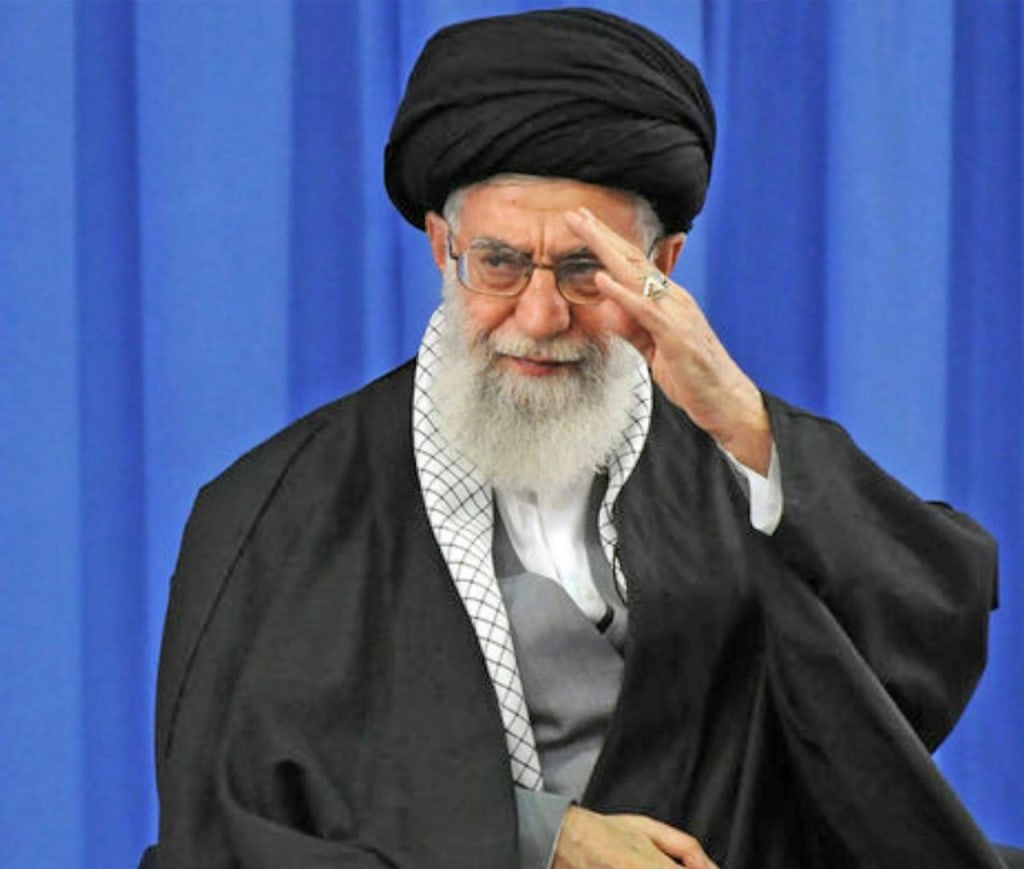
The attack intended to kill Iran’s Supreme Leader, Ayatollah Ali Khamenei, did not take place in the middle of the night under cover of darkness. Contrary to expectations, it was carried out in broad daylight.
The reason for striking in daylight was crucial intelligence that U.S. and Israeli intelligence agencies had received just hours earlier. Rather than waiting for nightfall, they decided to immediately act on this sensitive information.
For months, the United States and Israel had been waiting for an opportunity when senior Iranian officials would gather in one place for a meeting. The intelligence indicated that Seyyed Ali Khamenei would be present on Saturday morning at a compound in central Tehran.
Along with information about Khamenei’s presence at the compound, Israeli and U.S. intelligence also learned the location where other senior Iranian military and intelligence officials were scheduled to gather at the same time for a meeting.
For months, the United States and Israel had been monitoring Supreme Leader Seyyed Ali Khamenei’s movements. Although the method of surveillance was kept secret, U.S. President Donald Trump hinted at it in a social media post.
Trump wrote that “he (Khamenei) failed to evade our intelligence and highly advanced tracking systems.”
It is possible that a human source inside Iran was providing information about his movements; however, it is more likely that key Iranian officials were being monitored through technical means.
During last June’s 12-day Iran-Israel war, Israel successfully targeted scientists and senior officials linked to Iran’s nuclear program. It was later reported that access had been gained to telecom and mobile phone systems to track these individuals’ movements.
During this process, the movements of bodyguards assigned to protect key Iranian officials were also tracked.
Through prolonged surveillance and analysis, such methods help in understanding the lifestyle and routine of important figures. This approach makes it possible not only to stay informed about a target’s activities but also to identify moments of vulnerability when security may be less tight.
Iran was aware that Supreme Leader Seyyed Ali Khamenei was a target for his adversaries. Therefore, failure to identify and address moments of vulnerability during efforts to ensure his protection represents a major lapse by Iranian security and intelligence agencies. It also demonstrates that the United States and Israel continually adapt their methods for identifying targets and find new ways to track individuals.
Iranians may also have assumed that such a significant attack would not take place during daylight hours.
According to a report by The New York Times, the intelligence about the Supreme Leader’s presence at the compound originated from the U.S. intelligence agency, the CIA, and was shared with Israel because Israel was to carry out the strike.
There appears to be a division of roles between the United States and Israel: Israel focuses on targeting top leadership, while the United States generally concentrates on military targets.
It is also significant that intelligence about the Supreme Leader and other officials was obtained before their movements, enabling the planning of attacks using fighter jets capable of firing missiles from a distance to hit their targets.
The attack was not designed solely to target one major leader (Khamenei); rather, it was intended to initiate a broader campaign, which is now being advanced over time and as opportunities arise.
Israeli fighter jets may take approximately two hours to reach Tehran, though it remains unclear from how far away they launched missiles toward the city.
After the decision to strike was made based on intelligence about Khamenei’s presence, Israeli aircraft dropped 30 bombs on his compound at around 9:40 a.m.
The purpose of dropping 30 bombs simultaneously was to ensure that, since the Supreme Leader was reportedly using an underground bunker within the compound for protection, the strike could penetrate deep enough to reach the target.
To achieve that depth, different types of bombs were likely used to ensure the target was successfully hit.
In addition to the Supreme Leader’s compound in Tehran, other locations were also targeted, including the office of President Masoud Pezeshkian. The Iranian president later issued a statement saying he was unharmed in the attacks.
Iran has so far confirmed the deaths of three senior defense officials: Secretary of the Defense Council Ali Shamkhani, Defense Minister Brigadier General Aziz Nasirzadeh, and Commander-in-Chief of the Islamic Revolutionary Guard Corps, General Mohammad Pakpour.
When the attack took place in Tehran, it was nighttime in Florida at Mar-a-Lago, and President Trump was closely monitoring the situation with his senior officials.
Israeli and U.S. officials knew that confirmation of the Supreme Leader’s death could take several hours after the strike.
Iran had prepared for this possibility in advance and had reportedly made contingency plans not only for Khamenei but also for the succession of other senior Iranian officials.
This means it remains unclear what impact this assassination will have on the broader conflict.
About the Creator
Keep reading
More stories from Real content and writers in Chapters and other communities.
Why Pakistan Erupted in Protests After Ali Khamenei’s Death: Curfews, Casualties, and Diplomatic Tensions
In Pakistan-administered Gilgit-Baltistan, following violent protests over the reported killing of Iran’s Supreme Leader Ayatollah Ali Khamenei in an alleged U.S.-Israeli attack, authorities have imposed a three-day curfew in the districts of Gilgit and Skardu and called in the army.
By Real contenta day ago in Chapters
How Power Structures Protect Themselves
In 1949, a book was written titled Nineteen Eighty-Four, in which George Orwell fictionally explained how, in the future, systems and governments would become so powerful that they would prioritize their own power struggles over people’s well-being. And remember, we’re talking about the West, where democracy is considered very mature. According to Orwell, such states never truly end conflicts or wars; one way or another, they keep fear alive among people. If fear remains intact, people stay obedient.
By Ibrahim Shah 5 days ago in Chapters
When the Shelter Closes
Across the street from my house, a man slept under a tree, his dog by his side. My first, naive thought: he must be traveling through. But he kept coming back, often sleeping there during the day. Then it hit me—that person might not have a home.
By Bride of Sound6 days ago in Humans




Comments
There are no comments for this story
Be the first to respond and start the conversation.